
Introduction to the Heat Dilemma
The rising temperatures during the summer months have brought a pressing issue to the forefront of discussions in Spain: how to manage extreme heat effectively. This topic is not only relevant to schoolchildren and outdoor workers but has also captured the attention of Civil Guard agents, who now find themselves deliberating over the best mode of transport for their duties—motorcycle or car.
The Impact of Heat on Civil Guard Agents
The Heat’s Reality: From May through to September—and sometimes even October—Spain experiences persistent heat waves, and the effects are profound. The discomfort faced in sweltering conditions raises questions about the effectiveness and safety of current operational protocols. For Civil Guard agents, these concerns are compounded by the nature of their work, which involves prolonged exposure to extreme temperatures, particularly when on motorcycles.
Demands from the Unified Association of Civil Guards (AUGC)
Choice of Transport: The AUGC has appealed to higher authorities for greater autonomy in deciding whether to patrol on motorcycles or in cars. The appeal underscores a crucial consideration: agents want the ability to choose based on their personal comfort and the environmental conditions they face.
In addition to this request, the association is advocating for the repeal of mandatory airbag vests when temperatures exceed 32ºC, arguing that these vests hinder heat evacuation and exacerbate discomfort in high temperatures.
Reasons Behind Their Claims
This call to action has gained traction following meetings with the Head of the Traffic Group of the Civil Guard, who holds authority over such operational decisions. The AUGC argues that the ability to choose their mode of transport should rest with the agents themselves, free from bureaucratic barriers.
The Searing Reality of Motorcycle Patrols
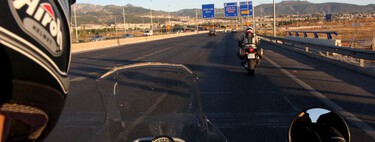
The Dangers of Heat Exposure: Riding motorcycles in sweltering heat presents distinct challenges. Agents not only contend with the heat of the environment but also with the heat generated by the motorcycle and their safety gear. This combination raises significant health risks, including fatigue, headaches, and dizziness—all detrimental to their performance and safety on duty.
Documented Evidence and Previous Decisions
The Pursuit of Agency and Safety
As Civil Guard agents push for the freedom to choose how they patrol, the backdrop of rising temperatures necessitates a reevaluation of existing policies. With the risks associated with extreme heat well-documented, it’s imperative that those responsible for public safety be allowed to make decisions that protect not only their health but also their effectiveness in serving the public.
In conclusion, the intersection of agency and extreme heat presents a pressing issue for the Civil Guard. As these discussions continue, the need for practical solutions will only become more pronounced, emphasizing the importance of agency and personal choice in safeguarding both the officers and the public they serve.