
Monaco Grand Prix: Controversies and Strategic Play
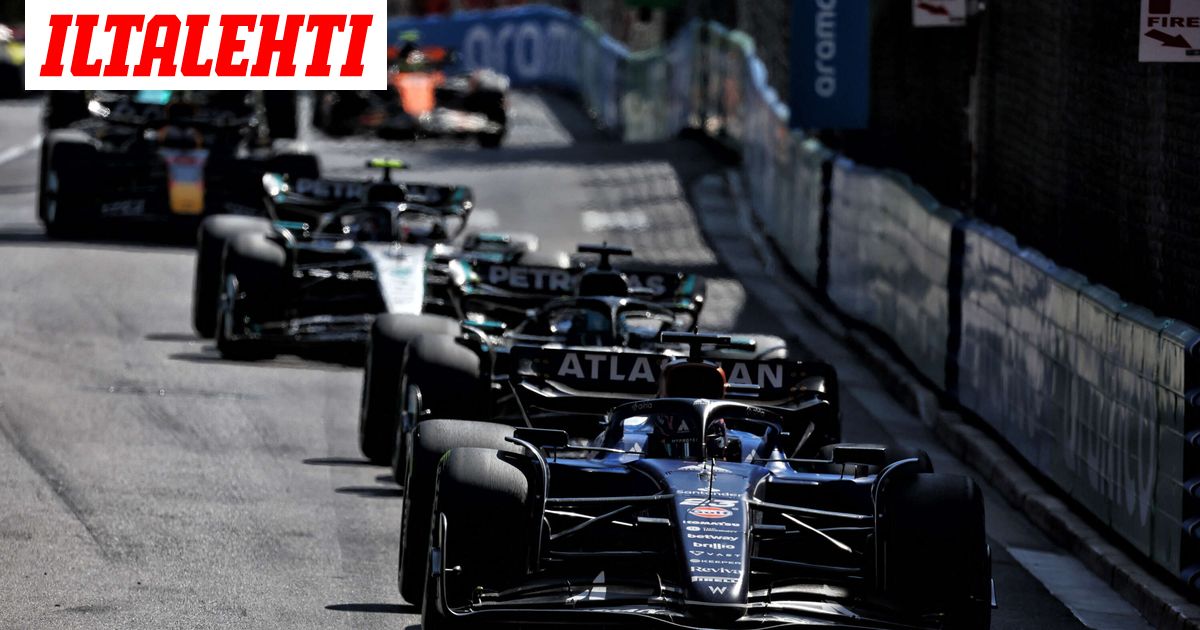
The recent Monaco Grand Prix was overshadowed by the controversial tactics employed by Williams Racing, sparking heated debates among fans and teams alike. While the event aimed to introduce excitement to the race, it ultimately led to a display that many found difficult to watch.
Rules and Red Flags
The introduction of a new tire rule mandated that drivers must pit at least twice during the race. This was intended to make the Monaco GP more dynamic compared to previous years, where the excitement was lacking. Instead, it revealed flaws in the planning and execution of such rules, as drivers from both Red Bull Racing and Williams Racing began deliberately slowing down on the track. This strategy was aimed at allowing their teammates to pit without losing positions.
The outcome was mathematically beneficial for the teams involved, particularly for Red Bull’s Isack Hadjar and Liam Lawson, who finished sixth and eighth, respectively, bringing home valuable points. On the other hand, Williams’ driver Alex Albon showcased his skill in a manner that embarrassed competitors like George Russell from Mercedes. Russell’s desperate attempt to bypass Albon led him to shortcut the Nouvelle chicane after the tunnel, an act that resulted in penalties that overshadowed his intentions.
The Penalty Drama
Russell was left to ponder his choices when he chose to side-step the rules in favor of a quick gain. "I would rather take a time penalty," he proclaimed, expressing that he believed he would only incur a five-second penalty for his actions. However, instead of a minor fine, Russell received a pit-lane speeding penalty, compounding his issues with a significant time loss.
In the heat of the moment, he reflected his frustration over the team radio, remarking, "I’d rather not say anything," channeling his inner José Mourinho and highlighting the dire straits he found himself in. This miscalculation illustrated the chaotic nature of the race and the struggle of drivers to adapt within the framework of newly implemented rules.
Norris Triumphs Amid Controversy
Despite the lurking shadows of Williams’ tactics, Lando Norris emerged victorious at the Monaco GP, a win infused with both relief and elation. His win, which allowed him to narrow the championship gap with teammate Oscar Piastri, was a bright point amid all the chaos.
Yet, it was evident that none of the teams involved, including Williams, relished how the race unfolded. Williams team principal James Vowles articulated this sentiment clearly during a post-race interview, saying, "This is not how we want to race." He underscored the notion that while they were playing within the rules, the very rules created an environment where such strategies were permissible.
Pit Stops and Strategies: A Recurrent Theme
Formula 1 has witnessed similar instances in the past. Last year, during the race, there was almost no significant variation in the order of drivers upon crossing the finish line due to a lack of actual pit stops and various circumstances that unfolded during the race. Drivers simply transitioned to the second set of tires post a red flag incident, with no real racing taking place.
Sergio Pérez, Nico Hülkenberg, and Kevin Magnussen inadvertently set a precedent for this type of strategic play, which continued to haunt the sport during this year’s event. Thus, the unintended consequences of proposing new regulations leave teams scrambling to maximize their positions with every potential loophole.
As memories of the last race lingered, teams entered the Monaco GP acutely aware of the pitfalls they might encounter. However, a look at the performance and the outcome suggests that not all lessons were adequately learned. Carlos Sainz reflected on the frustration surrounding race strategies, indicating that such tactics would do little to enhance the quality of racing.
A Wiser Look Toward the Future
The enduring challenges faced at this year’s Monaco GP indicate that regulations sometimes lead to unintended and anticlimactic outcomes. The chaotic strategies seem to render competitive racing almost secondary to navigating a system rife with loopholes.
In response to all the unfolding chaos on the track, there are high hopes for more exciting races. The tight schedule of races means that lessons learned in Monaco can be promptly applied during the next race in Montmeló, Spain.
Formula 1 is ever-evolving, and with each incident, the sport takes steps toward refining how races are run. The focus should remain on creating an environment where racing dynamics are the centerpiece, without the overshadowing influence of controversial tactics and strategic loopholes.
In the end, though the Monaco Grand Prix showcased unexpected twists and tactical plays, it also highlighted the critical need for ongoing dialogue about regulations and race conduct to foster true competition on the track.