
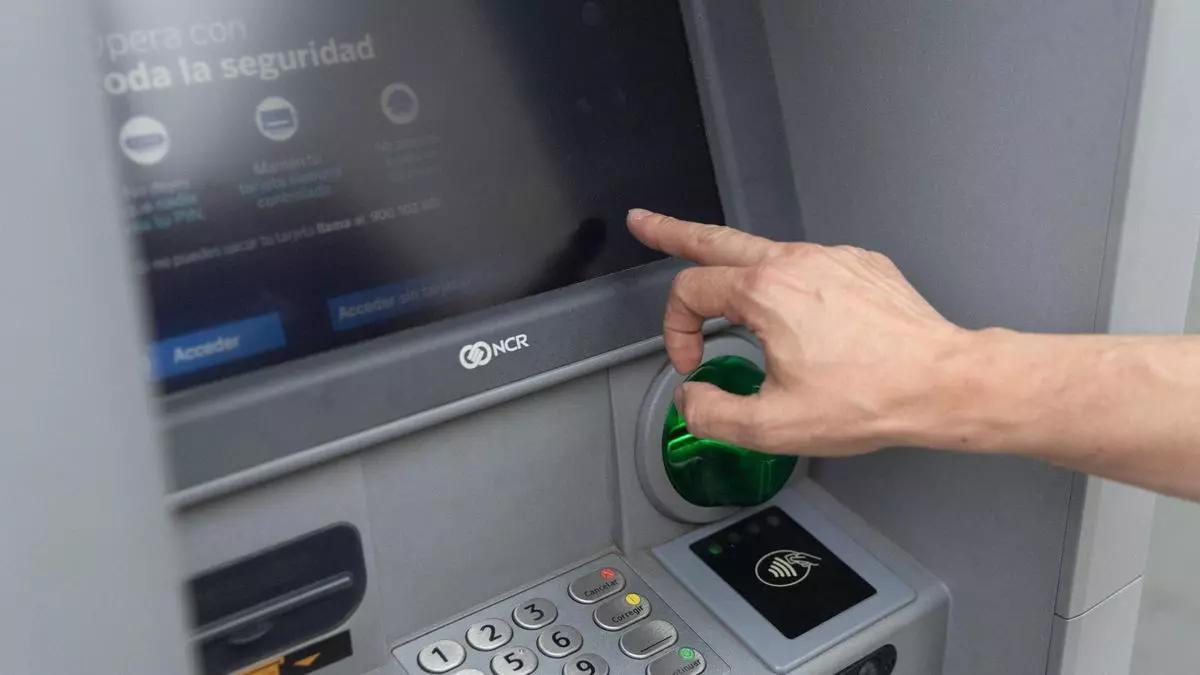
New EU Regulations for ATMs: Enhancing Accessibility
In June of 2025, a significant change will take place in the world of banking—specifically regarding Automated Teller Machines (ATMs) across Europe. The new regulations enacted by the European Union on June 28 will mandate that all ATMs in member countries undergo important updates to enhance accessibility. This legislation is a part of Directive (EU) 2019/882, which focuses on improving the accessibility of products and services in order to provide equitable access to all users.
Objectives of the New Regulations
The primary aim of these regulations is to ensure that everyone, regardless of their abilities, can access banking technology . The changes will create a more inclusive environment for all users, particularly for individuals with disabilities, the elderly, and those facing mobility or sensory challenges. The objective is not only to enhance usability but also to eliminate any existing barriers that might hinder these populations from utilizing ATM services.
What Changes Can We Expect?
As part of the new regulations, various modifications will be implemented at ATMs. Some of the most significant updates include:
- Intuitive Interfaces: Menus will be simplified, and screens will feature high-contrast displays to facilitate easier navigation.
- Voice-Guided and Braille Keyboards: These functionalities will enhance interaction, allowing users to engage with the ATM confidently.
- Accessible Buttons and Sensory Information: Controls will be designed at appropriate heights, and information will be available through multiple sensory channels—visual, auditory, and tactile—catering to users with limited mobility.
All these modifications aim to eradicate the obstacles faced by those with functional limitations when using ATMs. For instance, the introduction of intuitive interfaces ensures that all users can easily access their banking needs without overwhelming complexity or confusion.
Who Will Be Affected by These Changes?
The upcoming updates will have a broad-reaching impact, particularly on people with disabilities . This includes:
– Individuals with visual impairments who rely on Braille and voice guidance.
– Elderly individuals who may encounter challenges with technology due to age-related limitations.
– People suffering from hearing impairments who require visual cues to interact with the ATM.
– Users with mobility issues who need accessible controls to operate the machine comfortably.
The comprehensive aim here is to create a banking environment that serves everyone without discrimination. By proactively addressing these concerns, the EU is setting an example for inclusivity in everyday services.
Implementation Timeline
The new regulations will officially come into effect on June 28, 2025 . This timeline allows banks and ATM service providers ample time to prepare for the upcoming changes, ensuring that all installations are compliant. As a result, by the time the regulations are implemented, ATMs will be more inclusive and accessible, guaranteeing that all users can equally benefit from the essential services offered by banks.
Importance of Compliance
Conforming to these regulations is not merely a legal obligation but also a pivotal step toward promoting social justice in banking services. Each updated feature is a commitment to equality , ensuring that no individual is left behind in the digital age. Financial institutions that embrace these changes will not only comply with EU law but will also enhance their reputation as socially responsible organizations.
Moreover, these regulations could serve as a benchmark for similar initiatives worldwide. Countries outside of the EU may observe this initiative and take steps towards improving accessibility in their own banking systems.
The Path Forward
As we anticipate the rollout of these changes, it is crucial for stakeholders—including banks, advocacy groups, and technology companies—to collaborate in developing solutions that not only meet regulatory standards but also genuinely enhance the user experience. Continuous feedback from individuals with disabilities will be essential throughout this process. Their insights will ensure that the modifications are both practical and beneficial.
Implementing these changes will require investment in technology and ongoing training for bank staff. Properly equipping staff to assist customers with diverse needs will be equally essential to create a welcoming environment.
In summary, the new EU regulations on ATMs represent a significant leap towards making banking more inclusive. Emphasizing accessibility will not only empower individuals with disabilities but also foster a sense of community. By ensuring that everyone can utilize banking services on an equal footing, these regulations align closely with the broader goals of social inclusivity and equity .