
Exploring the Dynamics of Crime in Urban Areas: A Focus on Recent Events in Istanbul
In recent times, crime in urban areas has become a focal point of discussion among citizens and authorities alike. Particularly Istanbul, a vibrant and densely populated city, has witnessed a notable uptick in criminal activities. This article sheds light on the complexities surrounding crime in urban settings, with a particular emphasis on a recent incident in Kağıthane.
Understanding Urban Crime
Urban crime is often driven by a myriad of factors, including socioeconomic conditions, population density, and the presence or absence of law enforcement agencies. Cities like Istanbul, with their diverse populations and economic opportunities, can sometimes become hotbeds for crime. The interplay of various elements, such as poverty, lack of education, and limited job opportunities, creates an environment where crime can thrive.
Case Study: The Kağıthane Incident
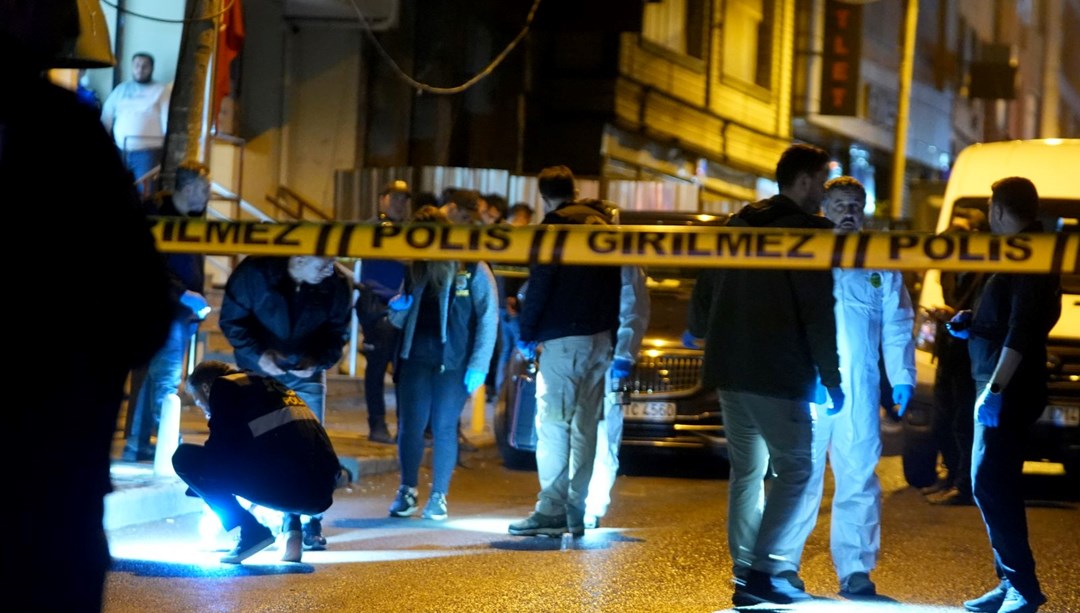
On a fateful night, an alarming event occurred in one of Kağıthane’s bustling districts. At approximately 1:30 AM, the tranquility of the night was shattered by a bomb attack on a local establishment that serves as both a restaurant and entertainment venue. Two unidentified individuals arrived on a motorcycle without license plates and hurled an explosive device into the premises.
This attack not only raises questions about public safety but also points to the growing concerns regarding gang-related activities in urban centers. The formation of gangs and criminal organizations has been a significant factor in increasing violence within cities.
Emergency Response
Following the explosion, emergency services quickly mobilized. Numerous police units and ambulances were dispatched to the scene. The urgency of the situation was underscored by the fact that seven individuals, three of whom were in critical condition, were transported to hospitals for medical treatment. This incident illustrates the need for efficient urban emergency response systems that can handle such unexpected crises.
The Role of Technology in Fighting Crime
In an age where technology permeates all aspects of life, its role in crime prevention and detection cannot be overstated. Authorities quickly initiated an investigation, focusing on security camera footage from nearby businesses. This technology serves as an invaluable tool in identifying suspects and understanding the circumstances surrounding criminal activities.
Community Involvement and Awareness
Furthermore, community engagement plays a pivotal role in mitigating crime. Neighborhood watch programs, community policing, and public awareness campaigns can foster a sense of security among residents. When communities unite to address crime proactively, they empower themselves and contribute to safer urban environments.
The Psychological Impact of Crime
The ramifications of crime extend beyond physical safety; they impact the mental well-being of individuals living in urban areas. Residents may experience heightened anxiety, stress, and fear as a result of violent incidents. This, in turn, can lead to a decline in the quality of life and adversely affect community cohesion.
Preventive Measures by Local Authorities
Local governments must take proactive measures to reduce crime rates. This includes increasing police presence in high-crime areas, enhancing street lighting, and investing in social programs aimed at addressing the root causes of crime. The effective management of urban crime requires a multi-faceted approach that combines law enforcement with community engagement.
Future of Urban Safety
Looking ahead, the solution to urban crime isn’t solely in the hands of law enforcement. It requires a collaborative effort that includes local authorities, community leaders, and residents. Building relationships among these stakeholders is crucial in creating a resilient urban environment.
Policy Implications
Policies addressing urban crime should focus on comprehensive reform that combines prevention, intervention, and enforcement strategies. Initiatives should also emphasize education and employment opportunities for youth, as these measures can divert potential offenders from engaging in criminal activities.
Conclusion
In conclusion, crime in urban areas such as Istanbul presents complex challenges that require thoughtful solutions. The recent bomb attack in Kağıthane serves as a stark reminder of the vulnerabilities faced by urban centers. Authorities must be vigilant in their efforts to protect citizens while fostering collaboration within communities. The path to safety lies not only in reactive measures but also in proactive strategies that address the underlying factors contributing to crime.
İstanbul Kağıthane’de restoran ve eğlence mekanı olarak kullanılan iş yerine el bombalı saldırı düzenlendi.
Olay, gece 01.30 sıralarında meydana geldi. Plakasız motosikletle Hürriyet Mahallesi Park Caddesi’ndeki 5 katlı binanın ikinci katında bulunan iş yerine giden ve kimlikleri henüz belirlenemeyen 2 kişi el bombası attı.
İhbar üzerine belirtilen adrese çok sayıda polis ve ambulans sevk edildi.
Olayda yaralanan 3’ü ağır 7 kişi ambulanslarla hastanelere kaldırıldı.
Caddeyi trafiğe kapatan polis ekipleri, çevredeki araçların altları ve sokakta dedektör köpeklerle bomba araması yaptı.
Ekipler, çevredeki iş yerlerinin güvenlik kamerası kayıtlarını incelemek üzere aldı.
Polis, kaçan şüphelilerin yakalanması için çalışma başlattı.