
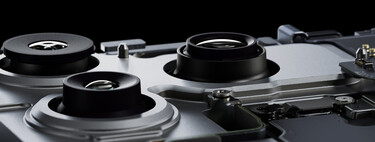
Do you want to buy the new iPhone? This guide covers everything you need to know, from steps to take with your current Android or iPhone to how to choose the model that best fits your needs.
Whether you’re a seasoned Apple user or a newcomer, this guide aims to simplify the buying process for the latest iPhones. Feel free to share any tips you have in the comments section for others to benefit from your experience.
Be Prepared with Your Current Mobile
Before you change your phone, it’s essential to prepare your current device. Start by making a backup to ensure that all your data is safely stored in the cloud. Depending on your current mobile system, the subsequent steps may vary.
If you’re upgrading from one iPhone to another, the process is straightforward. Just create a backup, and your data will automatically download to the new device once you link the same Apple account. If you still have your old phone when your new one arrives, an assistant tool will help you connect them for even easier data migration.
If transitioning from an Android phone to an iPhone, the process is somewhat more complex. You need to back up your data on your Google account, then download essential Google apps on your new iPhone to access your data. Additionally, you might choose to transfer your Google apps data—like contacts and photos—to Apple’s native applications, which involves a few extra steps. Always ensure you have a backup of your old device first.
It’s important to note that shifting from Android to iPhone means you may lose access to purchased games and apps unless they’re available on both platforms. For applications like WhatsApp, document backups are stored separately—on Google Drive for Android and iCloud for iPhone—so data migration might lead to loss of information.
To aid in migrating from Android to iPhone, Apple has developed the Move to iOS app, available on Google Play. This app connects your devices, allowing for a secure data transfer. You should keep your Android phone until you’ve fully configured the iPhone. After migrating your data, format your old mobile to remove all personal information.
Consider Selling Your Current Mobile
The new iPhones aren’t cheap, but you can minimize your investment by selling your current mobile either when you buy the new one or during the reservation process. There are multiple avenues for selling your old device.
Apple provides a Trade-In program, where you can evaluate your current phone when reserving your new iPhone. You will receive compensation in the form of a credit towards your new purchase. While the evaluation value may not be the highest, it tends to be reasonable. Keep in mind that the older your device, the less it might be worth.
Other retailers also offer trade-in plans, often accepting Android devices as well. Although the assessments provided by retailers like MediaMarkt or FNAC may sometimes be lower than Apple’s, they can also provide competitive offers.
You can alternatively sell your phone through second-hand stores or platforms like Wallapop and Vinted. This approach may yield a higher assessment value, but you’ll need to negotiate with potential buyers, which can be time-consuming.
My recommendation is to use Apple’s trade-in value or evaluations from reputable platforms as a benchmark. If you decide to list your phone for sale, give yourself a couple of days to find a buyer before settling for a trade-in. If the offers you receive don’t seem worth the effort, consider using the trade-in service.
What New iPhone Fits Your Needs
Apple has launched four new iPhones: the iPhone 17, iPhone Air, iPhone 17 Pro, and Pro Max. Each model is tailored for different types of users, making it crucial to understand their unique features and determine which one suits your needs best.
All models share a core set of features, including a Ceramic Shield front that is three times more resistant to scratches. They are also submersible up to 6 meters for a maximum of 30 minutes. Additionally, all models feature a square sensor for capturing images both horizontally and vertically, regardless of the orientation.
iPhone 17: The Balanced Choice
The iPhone 17 is designed for most users—especially those who don’t require advanced camera features or gaming capabilities. With a beginning price of 959 euros for the 256 GB version, it’s the most affordable option of the new lineup and comes equipped with a versatile A19 processor.
This model features a dual-lens camera capable of 0.5x, 1x, and 2x optical zoom, as well as a 120Hz screen that enhances fluidity—something previously exclusive to the Pro models. Its five available colors also add a touch of customization.
iPhone Air: The Thin and Exclusive Option
If you want the thinnest and most exclusive iPhone, the iPhone Air is your choice. At just 5.6 millimeters thick and weighing only 165 grams, it offers a premium feel. However, be prepared to sacrifice some battery life due to its slim design.
While the front camera is the same as the other iPhones, the Air has a single rear camera. Additionally, it requires the use of an eSIM instead of a physical SIM card, further emphasizing its modern, minimalistic design.
iPhone 17 Pro and 17 Pro Max: For Photography Enthusiasts
If top-tier cameras are a must for you, the iPhone 17 Pro and Pro Max deliver unparalleled photography capabilities with triple 48 MP cameras. Starting from 1,319 euros for the Pro and 1,469 euros for the Max, both models support advanced features like 4K video recording with Dolby Vision at 120 fps.
These models are powerful, equipped with the A19 Pro chip, enabling advanced photo and video editing and gaming. With multiple zoom options ranging up to 8x, they cater to serious photography enthusiasts.
Now You Just Have to Buy It
Once you’ve selected your iPhone model, it’s time to purchase. You have many options: from the official Apple store to major retailers and online platforms. Some stores even offer pre-sales for launch-day availability.
If you plan to sell your current mobile, consider trade-in options that provide the best returns. Additionally, ensure you purchase from trustworthy retailers to avoid complications later on.
Finally, if any issues arise post-purchase, you will have a return window to resolve problems. Choosing a store close to you can facilitate the return process, making it easier to navigate any post-purchase concerns.