
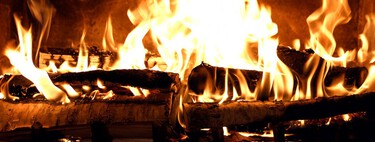
Christmas evokes many nostalgic details: endless advertisements, lottery tickets going unplayed, festive treats like mantecados and nougats, the cheerful gatherings called posadas, and vibrant red flowers. Yet, one element that stands out—at least for many—is the enchanting aroma of burning wood.
There’s something hypnotic about the flickering flames, the warmth they generate, and, of course, the distinctive smell of wood burning. This cozy image is so ingrained in our perception of a “home” that it feels almost sacred. However, there’s a critical flaw in this idyllic picture: it slowly kills us.
As Sam Harris points out, there’s a curious disconnect in how we perceive the dangers of wood smoke compared to cigarette smoke or automobile exhaust. Many believe that inhaling the crisp winter air infused with the scent of burning wood is naturally purifying, overlooking the reality that it’s just as harmful, if not worse.
The Toxic Reality of Wood Smoke
Scientific literature consistently reiterates one uncontestable fact: there is no safe amount of wood smoke to breathe in. Wood smoke contains a cocktail of hundreds of carcinogenic, mutagenic, and toxic compounds that can pose significant health risks.
Health Risks Associated with Fireplaces
It’s not merely alarmist rhetoric. Children living in homes with fireplaces or wood-burning stoves are at a higher risk of developing a variety of health issues including asthma, persistent coughs, bronchitis, and other respiratory disorders. Additionally, wood smoke compromises lung immune function, making individuals more susceptible to colds, flu, and various respiratory infections. The data clearly illustrates: it’s detrimental to health.
In 2000, the UN estimated that indoor air pollution, largely from burning fossil fuels—including wood—led to approximately two million premature deaths. That number is nearly double the fatalities attributed to road traffic accidents. While many of these deaths occur in developing countries where wood is commonly used for cooking, this doesn’t excuse the continued use of wood-burning fireplaces in modern homes.
The Broader Impact on Communities
The analogy to cigarettes becomes even more troubling. When someone smokes, only those nearby are exposed to the harmful smoke. However, in the case of wood-burning fireplaces, the pollution can envelop entire neighborhoods, affecting a much larger population.
It’s perplexing how we idealize a heating system proven to be harmful to health. This normalization has been so profound that acknowledging the true dangers requires conscious effort. Isn’t it time to reconsider and ultimately retire wood-burning fireplaces?
In an age where we have alternatives, the continued romanticism around wood smoke feels outdated. As we gather to celebrate the joys of the season, let’s also safeguard our health and the well-being of our communities. The smells that evoke warmth and comfort don’t always align with what’s good for us.