
Enrique Riquelme: Challenging Florentino Pérez for Real Madrid’s Presidency
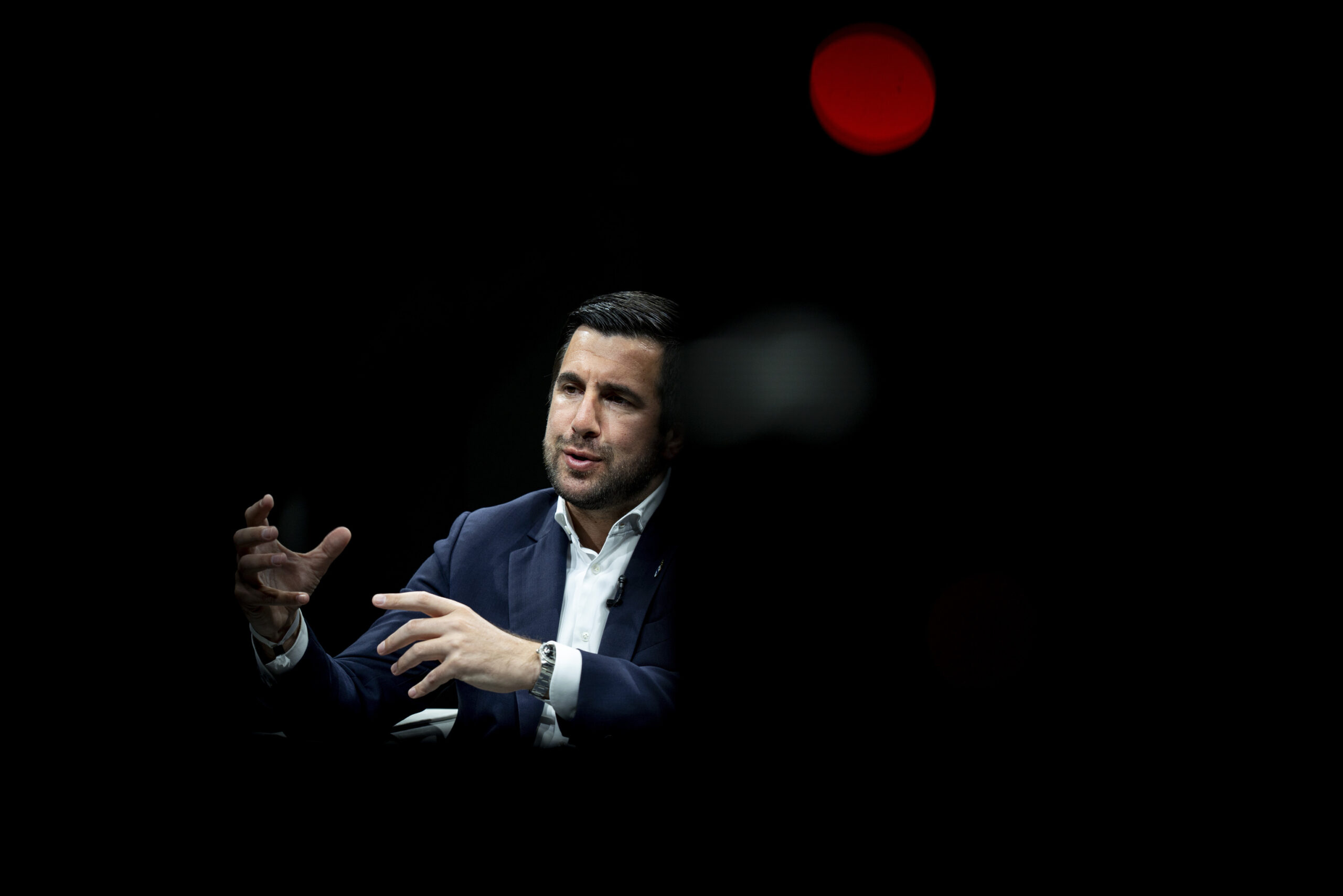
Enrique Riquelme, a 37-year-old businessman from Alicante, arrives at the EL MUNDO headquarters reminiscent of a rock star, though dressed appropriately in a suit. His entourage of cameras and microphones draws the attention of onlookers as he embarks on a rare endeavor: contesting Florentino Pérez in the elections for the presidency of Real Madrid, an unprecedented move in two decades.
Reasons to Support Riquelme’s Candidacy
Riquelme presents four key reasons for his potential supporters to vote for him. Firstly, he emphasizes the necessity for Real Madrid to remain in the hands of its members, rejecting any prospects of selling the club. Secondly, he advocates for a genuine social model that prioritizes the needs of the club’s members—an area he feels has been neglected for the last 20 years. His third point underscores the importance of institutional respect, urging the club to maintain its dignity against external pressures. Finally, he pledges to preserve the club’s DNA while striving to maintain its prestigious status as the best football team in the world.
Addressing Allegations
A common accusation facing Riquelme is that he may use his position for personal gain in his business endeavors. He strongly refutes this, clarifying that he has built his wealth independently and does not rely on Real Madrid for financial advancement. Riquelme points out that he has raised a significant personal fortune, exceeding 700 million euros, enabling him to comply with the club’s stringent financial regulations. In his view, Florentino Pérez has greatly increased his wealth through his role at the club, and Riquelme asserts he will not pursue any business interests at the club’s expense.
Concerns Over Club Management and Transparency
As Riquelme moves forward in his campaign, he expresses concerns over the management at Real Madrid, particularly focusing on individuals like Anas Laghrari, whose influence he perceives as excessive and potentially harmful to the club. He emphasizes that transparency is paramount, challenging the existing leadership to openly discuss financial dealings and decision-making processes.
Riquelme poses a series of probing questions regarding the club’s budget allocations and corporate spending, wondering why expenditures are substantially higher than those of other European clubs. He suggests there is a lack of accountability that must be addressed for the betterment of Real Madrid.
A Vision for Sports and Governance
In addition to his focus on transparency, Riquelme outlines his vision for improving the sports management side of Real Madrid. He believes the club requires order, professionalism, and a clear hierarchy in its decision-making processes. Riquelme has significant faith in former player Raúl’s potential to lead the sporting sector and proposes Fernando Hierro as a candidate to oversee the youth academy, ensuring the future success of the club is rooted in meritocracy.
Conclusion
Enrique Riquelme’s candidacy marks a pivotal moment in Real Madrid’s history. His challenges to the existing regime suggest a desire for a more democratic and transparent governance structure. As he confronts Florentino Pérez, fans and stakeholders of Real Madrid will closely watch the developments of this intriguing political landscape within one of the world’s most storied football clubs.