
Christmas Traditions in Peru 2025
Christmas in Peru transcends mere religious observance; it embodies a rich tapestry of history, family customs, and cultural syncretisms that have stood the test of time. As we navigate 2025, Peruvian Christmas traditions continue to thrive, evolving yet preserving their core messages of unity, memory, and hope.
The Heart of the Celebration: Nativity Scenes
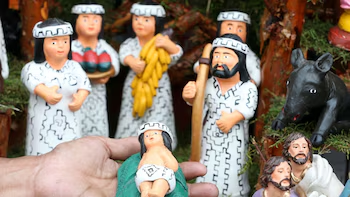
Unlike many countries where Christmas trees take center stage, in Peru, the nativity scene remains the focal point. This tradition dates back to the Spanish colonization, merging with Andean, Amazonian, and Afro-Peruvian cultures over the years. Today, artisans from regions like Ayacucho, Cusco, Huancayo, and others create intricate nativity scenes featuring not only the Holy Family but also local figures such as shepherds in traditional costumes and Andean animals like llamas and vizcachas.
This placement of the nativity symbolizes family unity and the birth of hope, transforming the act into an intimate family ceremony that spans generations.
Christmas Dinner: A Culinary Celebration
The Christmas meal on December 24 is another vibrant tradition. It revolves around diverse culinary offerings that blend colonial influences with regional specialties. While baked turkey is a common centerpiece, regions add their unique twists, including:
- Crispy suckling pig (especially in the highlands and northern coast)
- Arabic rice, often accompanying the main dish
- Hot chocolate, a comforting drink enjoyed even in the warm Lima summer
- Panettone, a tradition adopted early in the 20th century, now a staple across the nation
This communal feast reflects abundance and gratitude, symbolizing renewal and connection among families.
The Community Spirit: Christmas Chocolate
In 2025, the Christmas chocolate ritual remains prominent, serving as a gesture of solidarity within communities. Various organizations, including neighborhood groups and churches, host gatherings where hot chocolate, panettone, and gifts are shared. This practice transcends charity, emblematic of a broader community bond, ensuring that everyone experiences a sense of kindness during the festive season.
Artistic Expressions of Christmas
Peruvian Christmas traditions are further enriched by local artistic expressions. In different regions:
- Pastorelas and Negritos dances in the central highlands convey the nativity story through music and movement.
- In Ayacucho, carols blend Quechua and Spanish.
- Communities in the jungle adapt their own songs and rituals for gratitude.
Such performances foster cultural memory and neighborhood cohesion, weaving the old with the new.
Gift Exchange and Family Connections
The tradition of exchanging gifts, known as the “secret friend,” continues to thrive despite modern changes like online shopping. This ritual symbolizes recognition, affection, and the desire to share, enhancing familial and social bonds.
Midnight Mass: Spiritual Reflection
Although attendance has waned in urban areas, the midnight mass—or Misa de Gallo—holds deep spiritual significance in many communities. It serves as a collective moment of connection, renewal, and faith, highlighting the cultural importance of Christmas.
Conclusion: A Bridge Between Generations
In 2025, Peruvian Christmas traditions serve as a vital link connecting generations, embodying family, community, art, flavor, and faith. As times change, these customs adapt yet remain steadfast, reinforcing the notion that Christmas in Peru is fundamentally a bridge that transcends time and brings people together.