
The End of the Last Real Estate Boom: What’s Next?
Understanding the Current Market Dynamics
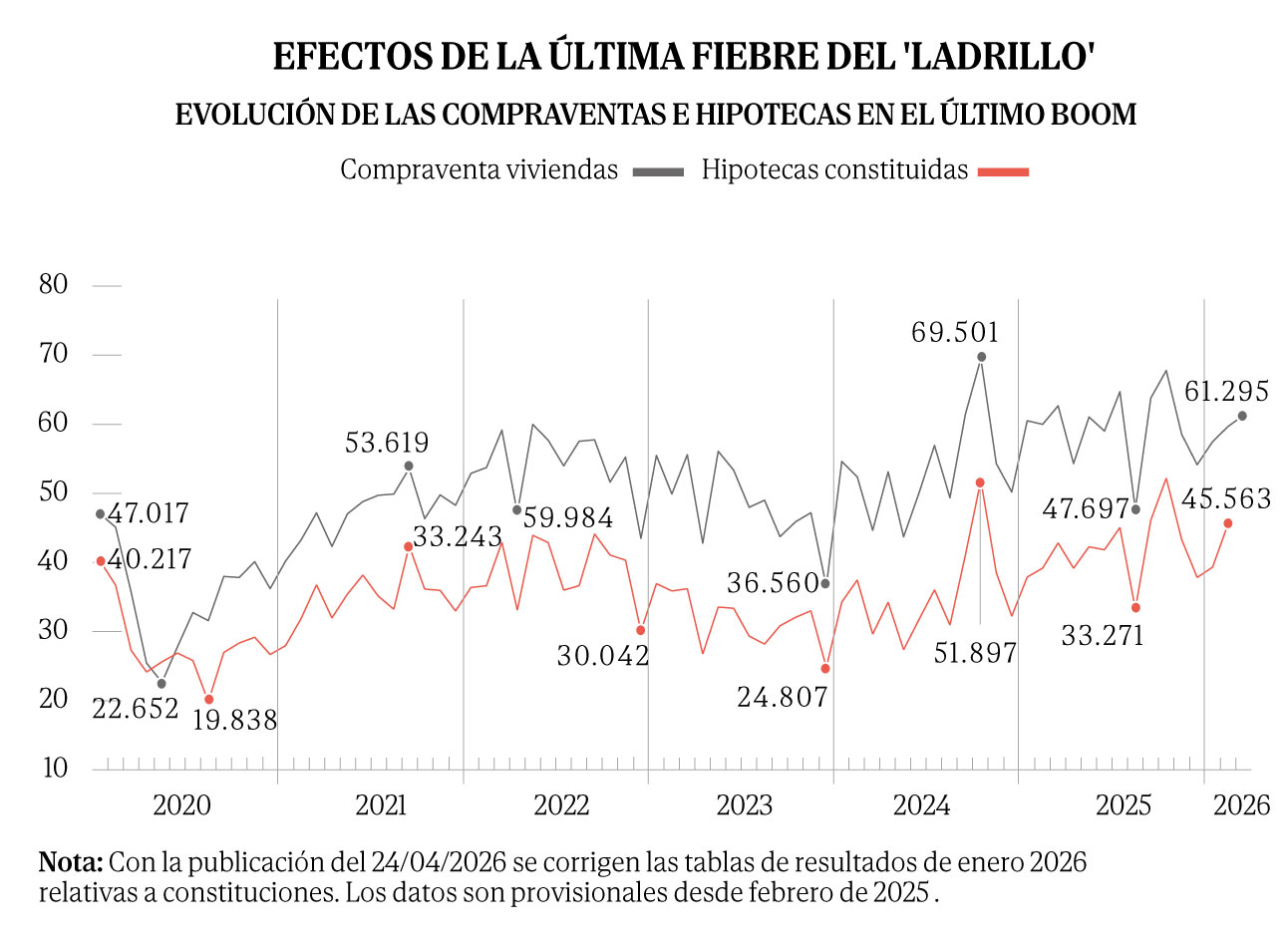
Miguel Sebastián, former Minister of Industry and Tourism, vividly portrayed the collapse of a real estate bubble as akin to a party abruptly cut short. After nearly two decades since Spain’s last major crisis, many could not have anticipated the frenzied resurgence in housing sales and prices. Now, however, experts indicate a shift. They assert that while there’s no imminent housing bubble, signals suggest that the last boom in real estate might be waning.
Key Indicators of Market Slowdown
Recent statistics illuminate this transition. Subscriptions to alerts from major property portals reveal a rising number of price drops. The Madrid Association of Real Estate Promoters (Asprima) reported a decline in construction completion certificates. The National Statistics Institute noted a 2.6% decrease in property transactions in Q1 compared to the previous year. Additionally, rental prices fell by 1.2% in April, marking the slowest annual growth in the last year at 5.2%, according to Fotocasa.
Experts believe this signifies a transition rather than a complete cycle change. José Antonio Muro from Grupo Tecnitasa refers to it as a phase of moderation and deceleration. As noted by María Matos from Fotocasa, the dynamic once characterized by swift property sales is shifting, making selling more arduous and prolonged.
Factors Influencing Price Stability
Despite the current landscape, experts predict that home prices might remain stable or even rise, but with regional variability. Factors such as diminishing purchasing power and bank lending practices are capping demand in certain areas. Ferran Font from Pisos.com speaks of a “change of speed” rather than a downturn, suggesting ongoing pressure but within manageable confines.
The Future of Real Estate Prices
The outlook isn’t completely bleak; many analysts affirm that, on average, property prices will continue to grow, albeit at a lower rate. For instance, Bankinter forecasts a 7% price increase this year and 4% next year while BBVA Research anticipates a 10.2% rise in 2026 and 6.8% in 2027. The need for affordable housing and the evolving rental market are also becoming evident post-boom.
Still, the accessibility crisis remains acute, particularly for the middle class and those with fewer resources. The 2023 Housing Law, aimed at remedying these issues, has faced criticism for inadequacy and unintended negative consequences.
What Should Buyers and Sellers Do Now?
In light of this evolving landscape, potential buyers and sellers face key decisions. Whether it’s the right time to buy largely depends on individual circumstances—location, financial stability, and specific needs will guide this decision. José Antonio Muro emphasizes the importance of recognizing market conditions before committing.
As noted by Idealista’s Iñareta, while price stabilization may be plausible, the rising cost of financing could negate any potential savings from purchasing now versus later. The insight here is clear: if you find a property that aligns with your needs and budget, it might be an opportune moment to buy, given the current financial landscape.
In conclusion, while the Spanish real estate market is shifting, there are no indications of a catastrophic collapse akin to 2008. Instead, a more moderated and strategic approach to buying and selling might be the best course of action for all involved, tempered by realistic expectations and financial prudence.