
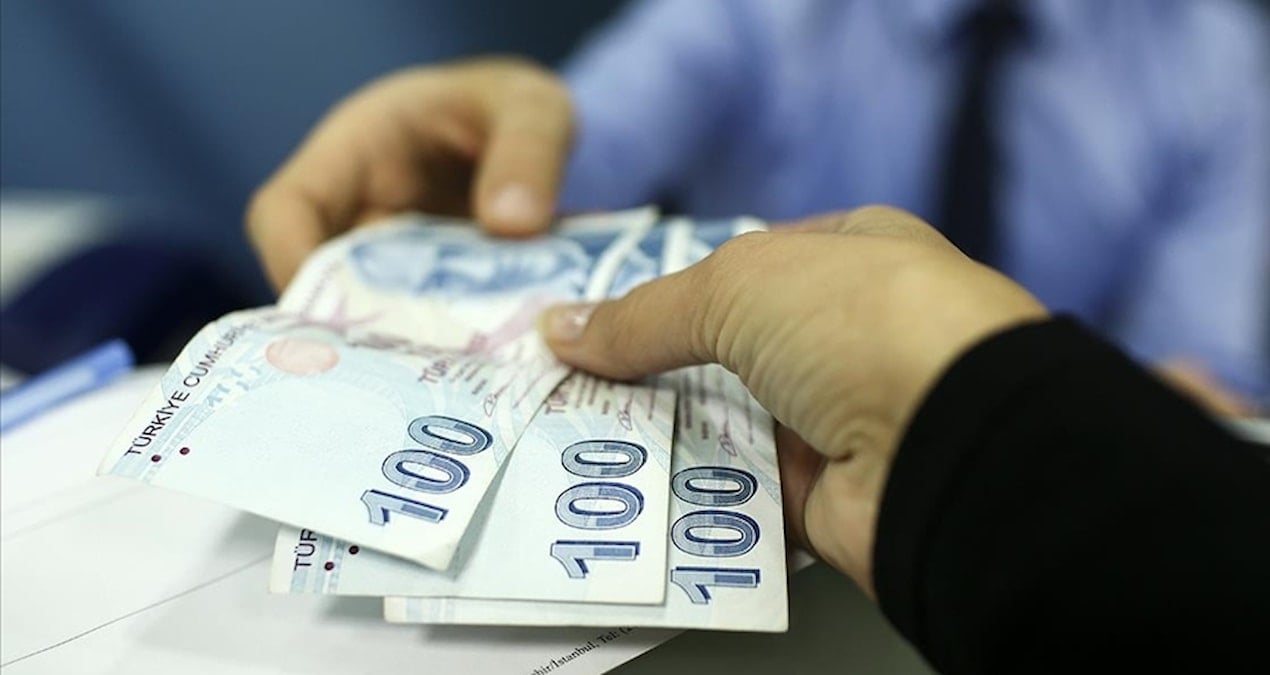
As July approaches, many are left wondering whether there will be a mid-year salary increase to the minimum wage in Turkey. Approximately 8 million workers are currently trying to make ends meet with the minimum wage set at 22,104 Turkish Lira . According to Türk İş , the current threshold for basic living, also known as the hunger limit , has reached 25,092 Turkish Lira , which is 3,000 Lira above the minimum wage. As a result, there are increasing calls from the working class for a mid-year salary adjustment this July.
The Commission Behind the Minimum Wage
The commission that determines the minimum wage is comprised of 15 members : 5 represent the government, 5 represent the workers, and 5 represent the employers. These decisions are generally made by majority vote . On the workers’ side, Türk-İş represents the labor interests, while the employers are represented by the Turkish Confederation of Employer Associations (TİSK) . Recently, Türk-İş announced that it would not participate in further commission meetings unless there are changes to its current structural makeup. This leaves only the representatives of the government and employers to decide on crucial issues regarding wage adjustments.
Employer Concerns
Information from inside sources indicates that the employers’ side is not particularly supportive of an interim wage increase. They acknowledge that the minimum wage is insufficient , and that surviving on such a salary is nearly impossible. However, they also highlight the challenges posed by current economic conditions . Companies are claiming that their financial performance has severely declined, leaving them in a position where they are not generating profit. The potential for wage increases could further complicate their already strained financial states, leading employers to express concerns that the hike in wages could place even greater pressure on their businesses.
Economic Reality and Workers’ Struggles
In the current economic climate, many households are facing dire situations. The sharp rise in inflation rates and cost of living continues to outpace the minimum wage, pushing millions of families into a cycle of poverty. Essential goods and services are becoming more expensive, making it increasingly difficult for workers earning the minimum wage to cover basic necessities. Consequently, labor unions and social organizations are advocating forcefully for a mid-year increase, citing that the existing wage is inadequate for a decent standard of living .
Public Sentiment
Public sentiment concerning the minimum wage and potential increases is polarized. Many workers are voicing their dissatisfaction, arguing that the existing wage does not reflect the economic burdens they are facing. Social media has become a platform for many labor advocates to express their frustrations and demand immediate action from the government and employer representatives. The sentiment among workers is clear: they feel exploited and urge the commission to consider their plight when making decisions that directly impact their livelihoods.
The Role of Government Policies
The government’s role in this issue is pivotal. As both the ruling party and the commission representative, it must balance fiscal responsibility with social welfare. The response to worker demands for a raise could set a precedent for future labor policies and economic strategies. Policymakers are urged to consider both the economic constraints reported by employers and the pressing needs of workers struggling to survive on an insufficient wage.
What Lies Ahead?
The upcoming meetings of the minimum wage commission will undoubtedly be crucial. As July approaches, discussions are expected to intensify, with both workers and employers presenting their cases. Observers are keenly watching how the government will navigate these contentious issues, especially under economic strains exacerbated by fluctuating inflation rates and global economic pressures.
In conclusion, the question of whether there will be an interim increase in the minimum wage looms large for millions of Turkish workers. As discussions unfold within the commission, the balance between the economic realities faced by employers and the urgent need for fair compensation for workers remains precarious. Achieving a resolution that satisfies both sides is an intricate challenge that could shape the future of labor relations and economic health in Turkey.