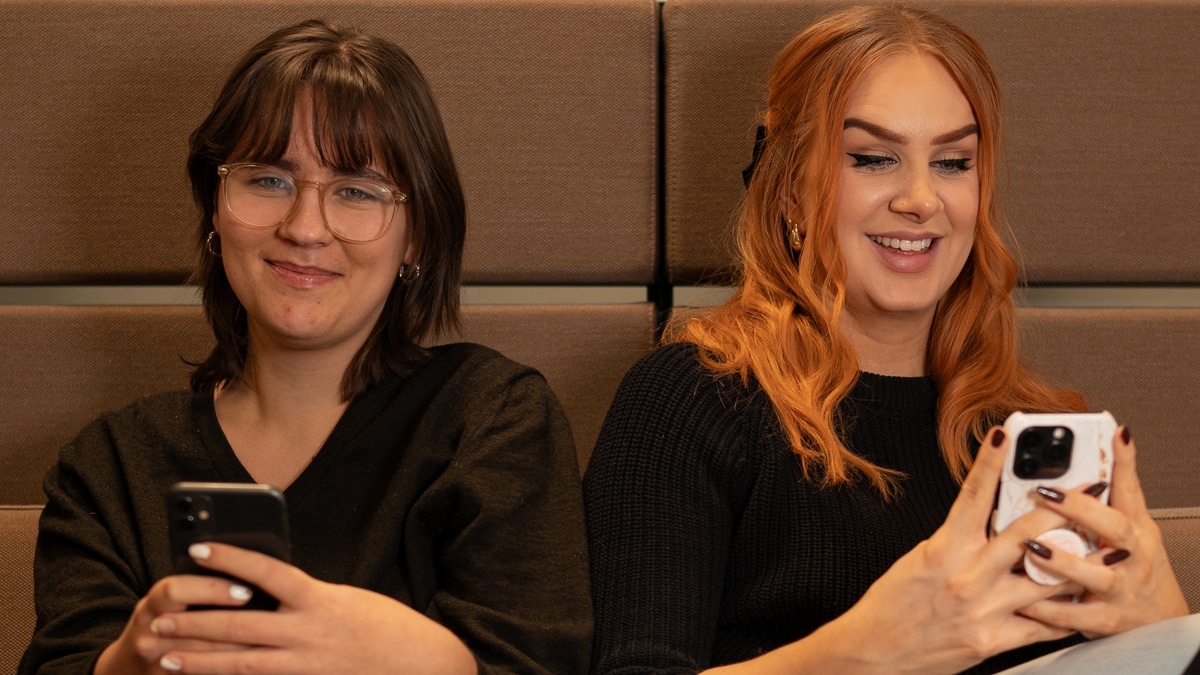
The matter in summary Researchers at the University of Indiana have found a connection between the use of emojis and emotional intelligence (EQ). The study showed that the higher emotional intelligence people had, the more often they used emojis. Women with high EQ sent more emojis to friends and family, while men with high EQ sent more emojis to their partner. Those with an avoidant attachment style used fewer emojis. Using emojis at work can have unfortunate effects, such as being perceived as less competent, but as a warmer person. The summary is made by an AI service from OpenAI. The content is quality assured by news’s journalists before publication. – It’s not just a smiley face or heart emoji: It’s a way to convey meaning and communicate more effectively. How you use it tells us something about you, says Simon Dubé at Indiana University. He and his team surveyed 320 people aged 18 to 69 about their use of emojis. And they found a clear distinction: the higher emotional intelligence people had, the more often they used emojis. Emotions on screen Emotional intelligence is, among other things, about how good you are at recognising, understanding and handling emotions. To find out how high your EQ is, you are measured on empathy, social skills and self-awareness. Critics think EQ is too imprecise, but it is still widely used, as in the study from the USA. Those who score higher on tests for emotional intelligence are often more emotional and relate more to emotions, explains psychologist Frode Thuen. – And emoji is a kind of emotional expression to emphasize a message. So the more emotionally intelligent you are, the more concerned you are with the emotional aspect of a message. Frode Thuen is a psychologist and professor at the Norwegian University of Applied Sciences. Photo: news Differences between 👨 and 👩 The study published in the journal PLOS One showed that women who showed high emotional intelligence sent more emojis to friends and family. In particular, men with high emotional intelligence sent more emojis to their partners and fewer to colleagues. Overall, women send slightly more emojis than men. Most are sent to friends, then the partner, family and least to colleagues. The study also showed that women who show less emotion and often keep their distance from others stand out. They have what is called an “avoidant attachment style”, and can be perceived as more confident and independent. These women used fewer emojis than others. This pattern was also seen in men. But here the difference was most evident in how few emojis men sent to their partners. Thuen thinks it makes sense. – Those who have an avoidant attachment pattern do not get too emotional and keep their distance. And then it would be unnatural to resort to emojis a lot, says the psychologist. No need to panic Women and men had roughly the same emotional intelligence in the survey. But there were several men with an avoidant attachment style. – The differences between the sexes in this study suggest that women may express their feelings more, want to convey more complicated messages or try to be more precise when communicating digitally, especially with friends and family, summarize the American researchers. Thuen believes that people who are not good at emotions or connection don’t need to start with emojis to get better at it. – One should certainly not exaggerate the importance of this. There are other things that affect both communication, closeness and emotionality much, much more than these factors that we are talking about here, says Thuen. Previous Norwegian research suggests that using emojis at work can have adverse effects, such as that one can be perceived as less competent, but as a warmer person Sources: PLOS One, Mental Health America, Science Direct Published 15.12.2024, at 07.57
ttn-69