
Government Suspends MaPrimeRénov’: A Setback for Energy Renovation in France
This week, the French government announced the suspension of the MaPrimeRénov’ program, which provides financial assistance for home energy renovations. This suspension will remain in effect up until July 1 . The announcement has raised eyebrows amidst ongoing discussions about environmental policies and commitments to sustainable renovation practices.
Macron Advocates for Continued Ecological Commitment
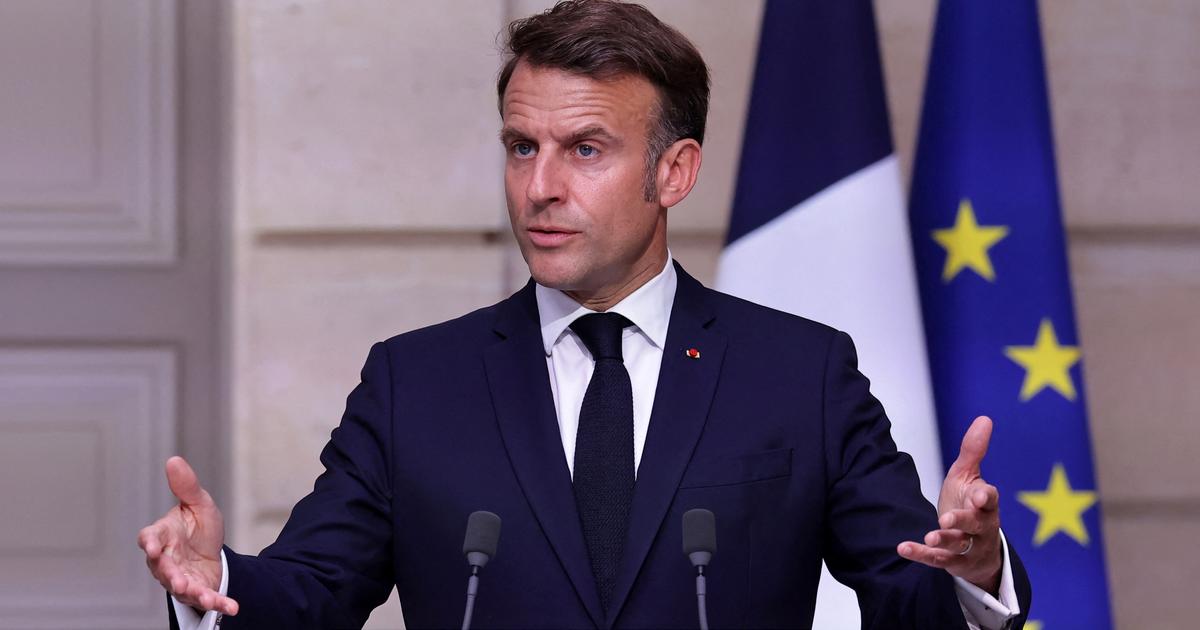
In a recent interview, President Emmanuel Macron urged the government to remain steadfast in its ecological initiatives. He expressed his dissatisfaction regarding the uncertainty surrounding the program, stating, “I expect both the actors and the government to maintain this policy; I am not happy with what I have seen in recent days.” This statement highlighted the crucial importance of clear guidelines and stable programs for environmental renovation, emphasizing that “this is not the time to create uncertainties around established mechanisms.”
The suspension of MaPrimeRénov’ affects projects related to comprehensive energy renovations, insulation work, as well as punctual boiler replacements. This decision not only impacts homeowners but raises broader questions about the government’s commitment to a sustainable future . Macron has asserted the necessity of keeping a focus on climate change, especially with the upcoming third UN conference on oceans, indicating that environmental responsibility should not take a backseat.
Addressing Fraud in the System
The suspension of the program is largely attributed to a surge in fraudulent applications , which the government estimates to be around 12% of the submitted files. Valérie Létard, the Minister of Housing , noted that changes to the program’s rules will be explored to better manage these issues once the suspension concludes in September. “We are currently facing a backlog of new requests and an excess of fraud,” stated Éric Lombard , the Minister of the Economy, emphasizing the need for urgent reform in handling the program.
The Impacts of Environmental Policy Revisions
As the government navigates the complexities of its environmental programs, Macron has reiterated his commitment to sustainable practices. However, recent legislative changes have sparked concerns among environmental advocates. Revisions have included the reinstatement of the A69 motorway project , the end of low-emission zones , and discussions regarding the potential use of harmful pesticides .
As France grapples with these issues, Macron’s priority remains clear: sustainable ecology. He criticized factions within the government that tend to sideline climate initiatives in favor of immediate political gains. “I do not want either the government or Parliament to succumb to convenience at this moment,” he stressed. Macron also indicated that some government actors are diverting attention from environmental issues with sensationalist narratives that detract from the ongoing fight against climate change.
Plastic Bottle Deposit Scheme Delay
Macron has made it clear that the fight against plastic pollution must continue. The plastic bottle deposit scheme , originally scheduled for implementation in 2023, has also been put on hold. The government faced significant pushback from local authorities over the logistics of the program, but Macron underscored its importance, calling it an “absolutely key” initiative for environmental health.
The struggle for environmentally responsible legislation is becoming increasingly apparent. With each legislative session, environmental advocates face uphill battles as policies that once aimed to protect ecosystems are rolled back or delayed. Macron’s government has a rocky road ahead as they strive to balance ecological commitments with economic and political realities.
In conclusion, the recent suspension of the MaPrimeRénov’ program symbolizes much more than just an administrative decision; it reflects deeper tensions within the French government regarding sustainability efforts. As Emmanuel Macron pushes for continuity in eco-friendly policies, the question remains whether the government can address the pressing issues of fraud, public concern, and legislative coherence to pave the way for a genuinely sustainable future.