
The Fascinating Story of Biosphere 2: A Scientific Marvel in the Desert
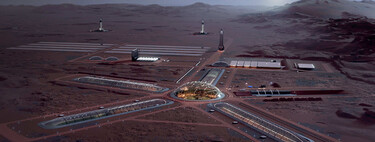
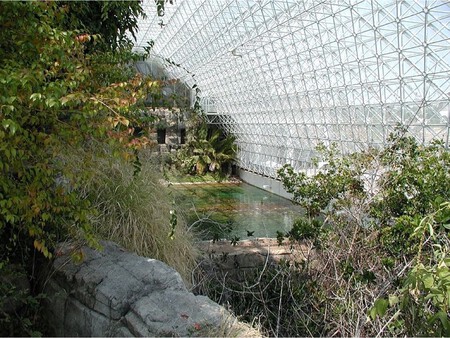
In the heart of the Sonoran Desert, just a stone’s throw from the American-Mexican border, stands a monumental structure reminiscent of a science fiction tale. Dubbed Biosphere 2, this large glass building encompasses a range of ecosystems, including a tropical jungle, a savannah, and even an artificial ocean with a coral reef. Between 1991 and 1993, a group of eight individuals—termed the “ biospherics ”—embarked on a groundbreaking expedition, locking themselves away for two years in this self-contained environment.
The Mission: Experimenting with Self-Sufficiency
The primary aim of this audacious experiment was simple yet ambitious: to thrive in a completely self-sufficient ecosystem. The crew was tasked with cultivating their own food, recycling their water, and breathing the oxygen generated by the plants within their confined habitat. This ambitious undertaking sought to provide insights into Earth’s intricate systems, ultimately testing whether similar habitats could be created for potential colonization of the Moon or Mars .
This transformative endeavor, however, quickly devolved into a logistical nightmare and a media frenzy. True to Murphy’s law, “everything that could go wrong, went wrong.” Despite its tumultuous start, Biosphere 2 is now recognized as a pioneering experiment, serving as a laboratory to study climate change and becoming a popular destination for tourists worldwide.
An Idea Born from Ecology
Biosphere 2 did not spring from the halls of NASA; instead, it originated in an eco-village in New Mexico. Visionary John Allen, along with a cohort of organic farming enthusiasts, envisioned a closed system where the Earth’s functionalities could be examined in depth. Thanks to billionaire Ed Bass’s generous contribution of around $150 million at the time (approximately $400 million today ), the project became a reality.
The engineering marvel housed diverse biomes above ground while a complex “techno-sphere” of pipes and systems below regulated temperature and moisture levels. One inhabitant famously referred to it as “the Garden of Eden on top of an aircraft carrier.” On September 1991 , the eight crew members crossed the airlock, embarking on what was essentially a two-year mission .
Challenges of Oxygen Shortage
In a revealing TED talk , biospheric inhabitant Jane Poynter articulated the visceral challenges they faced. It took four months to make a simple pizza because the crew had to gather and process ingredients like wheat and goat’s milk. “I was eating the same carbon repeatedly,” she reflected, noting how excessive consumption of sweet potatoes turned her skin orange.
Yet the direst challenge was the dramatic decline in oxygen levels . Over 16 months, oxygen plummeted from 21% to 14.2% , equivalent to being at a high-altitude mountain. “We crawled through the biosphere,” Poynter recalled. “At night, we experienced sleep apnea; I woke up gasping for air.”
What caused this oxygen loss? Microorganisms within the soil thrived on a nutrient-rich substrate intended to accelerate crop growth, leading to a surge in bacteria and fungi that consumed oxygen faster than it could be replenished by the plants.
The Rise of Insect Populations
While the human inhabitants grappled with breathing challenges, other fauna in the Biosphere thrived. Species such as bees dwindled, likely due to inadequate ultraviolet light , while plants faced challenges as trees grew weak in the stagnant environment devoid of wind. In the absence of natural predators, ants and cockroaches proliferated, leading to overpopulation and further complications within the system.
Amid increasing tensions and personal conflicts among the crew—intensified by their isolation—the situation deteriorated. Faced with the urgency of the oxygen crisis, external oxygen had to be pumped into the biosphere, leading many critics to deem the project a fraud .
Reflections on Success and Failure
Despite being ridiculed at the time, the experiment’s legacy has evolved, showcasing the incredible difficulty of artificially recreating Earth’s ecosystems. It highlighted the pivotal role microorganisms play in regulating the atmosphere—an essential aspect often overlooked in ecological studies.
For those involved, the experience was transformative. Mark Nelson, another participant, noted how being part of such a small, interdependent system profoundly altered their understanding of ecosystems and survival’s fragility.
Welcoming Visitors Today
Following the original mission and a subsequent canceled project due to funding issues, Biosphere 2 was passed to the University of Arizona . Far from being a mere remnant of a bygone era, it has evolved into a cutting-edge scientific laboratory and a popular destination for over three million visitors .
Scientists utilize the facility’s controlled biomes to simulate various climate change effects. In the tropical environment, extreme heat and droughts are studied, while the ocean biome is employed to explore coral resistance to acidification . Additionally, fish populations are being cultivated for potential reintroduction into their natural ecosystems.
Biosphere 2 has come full circle. What began as an attempt to escape Earth’s confines has transformed into one of our most valuable tools for understanding and preserving our planet. As Jane Poynter eloquently concluded, “In the end, we all live in a biosphere, interconnected with every breath we take.” Notably, the carbon we exhale today could one day be inhaled by our descendants, emphasizing the profound interconnectedness of life on Earth.
Image | Arizona University
In Xataka | The bad news is that the oxygen of the Earth has an expiration date. The good is that we will not be here to see it.