
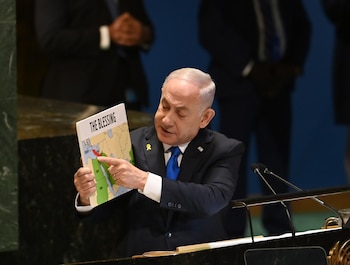
Escalating Tensions in the Middle East: Netanyahu’s Vision of “Great Israel”
Recent comments made by Israeli Prime Minister Benjamin Netanyahu regarding the concept of a “Great Israel” have sent shockwaves across the Middle East. Netanyahu’s statements suggested that this idea would include not only Israel but also territories from Egypt and Jordan, raising immediate concerns among neighboring countries and igniting further discussions about regional stability and peace.
The Egyptian government has officially sought clarifications from Israel following Netanyahu’s remarks. The Egyptian Foreign Ministry expressed worries that such declarations could escalate regional tensions and undermine peace efforts. “Egypt has demanded clarifications on this matter, given its implications of provoking instability and reflecting a rejection of the search for peace in the region,” the ministry stated in a recent social media post.
The concept of a Great Israel has long been a controversial topic, as it contradicts the aspirations of peace-loving nations that seek security and stability in the Middle East. The Egyptian Foreign Ministry emphasized the necessity of negotiations and a definitive end to the ongoing conflict in Gaza, insisting that peace can only be achieved through the establishment of a Palestinian state along the borders established prior to the 1967 war.
Regional Reactions to Netanyahu’s Remarks
The backlash against Netanyahu’s statements was not confined to Egypt. The Jordanian Foreign Ministry also condemned the idea, calling it a “dangerous provocative escalation.” Spokesperson Sufian Qudah highlighted that such thoughts threaten national sovereignty and violate international law. His remarks emphasized that Netanyahu’s claims reflect an isolated view, exacerbating the ongoing violence in Gaza and the West Bank.
In a statement shared on the social media platform X, Qudah criticized Netanyahu’s vision as “absurd illusions” tied to the extreme elements within the Israeli government. He pointed to the increasing cycles of violence that stem from such ideologies and urged for a clear international response condemning these narratives and holding accountable those responsible for promoting them.
Furthermore, the Qatari government voiced their disapproval, interpreting Netanyahu’s statements as an extension of occupation and arrogance. The Qatar Foreign Ministry accused Netanyahu of making “false accusations and absurd incendiary statements,” calling for international action to counter these provocations that could potentially escalate violence in the region.
The Arab League’s Stance on the Issue
The Arab League, representing 22 member states, firmly condemned Netanyahu’s declarations about annexing parts of Arab land. They described such statements as a serious threat to regional security and a blatant challenge to international law. According to the Arab League, these views reveal an unsettling expansionist mentality that must not be tolerated within the community of nations.
This widespread criticism from multiple nations underscores a collective desire for peaceful resolutions rather than divisive rhetoric. The situation highlights how critical dialogue and negotiations are for achieving stability, especially in a region marked by longstanding conflicts.
Netanyahu’s Justification and Reaction
While facing backlash from both regional and international authorities, Netanyahu remains steadfast in his convictions. During an interview with Israeli television, he acknowledged a connection with the idea of a Great Israel, framing his political choices within a “historical and spiritual mission.” He asserted that through such ambitions, an integral aspect of his policy is to fulfill the dreams of countless generations of Jews who yearn for a homeland.
Netanyahu’s position reflects a stark contrast between his government’s ideology and the broader international community’s call for mutual recognition and coexistence. This divide raises critical questions about the future of Israeli-Palestinian relations and the potential for renewed violence if diplomatic avenues remain stymied.
The Palestine issue continues to be one of the most complex geopolitical challenges in modern history, with dangers looming large. As the region stands at a precipice, it is imperative that leaders, both local and global, rise to the occasion—fostering dialogue, understanding, and ultimately, peace. The path to stability lies not in expansionist visions but in seeking genuine partnerships that respect and acknowledge the rights and aspirations of all peoples in the region.