
The Implications of Recent Earthquakes in Greece
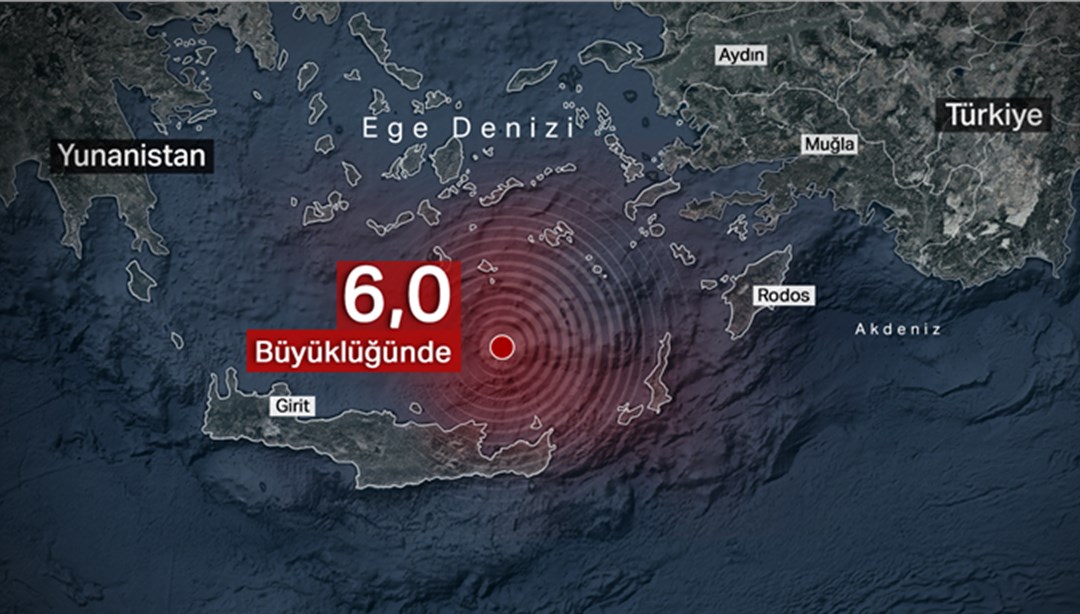
In recent weeks, the seismic activity in the Aegean Sea has raised concerns among residents and authorities alike. Particularly following a significant earthquake near Crete , renowned geophysicist Prof. Dr. Övgün Ahmet Ercan provided invaluable insights into the situation. He emphasized that this earthquake belongs to the subduction zone of the Southern Aegean, underscoring the potential magnitude of 7 to 7.5 , which poses a substantial risk for tsunamis .
The Dangers of Tsunamis in Historical Context
Prof. Ercan highlighted the historic pattern of tsunamis in the Aegean region, noting that previous occurrences have led to the loss of 5,000 to 10,000 lives . It is crucial to understand that these natural disasters don’t just impact the islands but can also devastate coastal cities in Greece and Anatolia . This reinforces the need for effective emergency preparedness plans for coastal regions.
Recent Tsunami Alerts in Greece
In light of the latest seismic activity, Greek authorities issued tsunami warnings urging residents to evacuate to safer, higher ground. Reports indicated that the tremors were felt as far as Israel and Egypt , marking the second tsunami alert within a single week. Such alerts raise urgency in developing a coordinated emergency response.
Focus on Santorini
Coinciding with these events, there has been renewed interest in the volcanic activity of Santorini , which experienced minor seismic disturbances earlier this year. Prof. Ercan reiterated that the earthquakes near Santorini are indeed related to volcanic activity stemming from the subduction of the African Plate under the Aegean Sea. This connection emphasizes the intertwining nature of tectonic activities that can trigger notable geological phenomena.
The Impact on Turkish Fault Lines
The overarching question persists: How will the recent Aegean earthquakes affect fault lines in Turkey ? Prof. Ercan confirmed Turkey’s status as a high seismic risk country yet reassured that it is not under immediate threat from this recent earthquake sequence. He explained that major quakes exceeding magnitude 8 are not anticipated within Turkey, which is particularly comforting for residents in vulnerable areas.
Specific mention was made of a recent 5.2 magnitude earthquake in Konya , believed to be linked to the Tuz Gölü fault line . Ercan clarified that the fault’s activity primarily yields earthquakes of this magnitude, and no excessive seismic activity is expected in the aftermath.
Historical Tsunamis That Shaped the Aegean
Throughout history, the Aegean Sea has witnessed catastrophic events resulting from volcanic activities. The Santorini eruption is one such event that shaped the region’s geological narrative. This enormous eruption not only affected the island of Crete but also had ramifications across the entire Mediterranean Sea . Historical records indicate that the resulting tsunamis brought about significant destruction, nearly annihilating the Minoan civilization .
Another historical seismic event occurred in July 365 AD , measuring approximately 8.5 magnitude off the coast of Crete. The resultant tsunami wreaked havoc along the coasts of Crete and Alexandria , resulting in an overwhelming loss of human life. This emphasizes that seismic threats in this region have a long and tragic history.
Ongoing Tsunami Risks in the Aegean Sea
Experts in geoscience continue to monitor the subduction zone in the Aegean Sea. They affirm that the geological conditions remain active, particularly near Crete, where there remains a significant probability of earthquakes surpassing magnitude 7 and associated tsunami risks. Given this persistent threat, it is vital for coastal communities to enhance early warning systems and increase public awareness regarding safety measures.
The Importance of Public Awareness and Preparedness
With the increasing frequency of seismic activities, the need for public education on earthquake preparedness becomes even more critical. Properly informed residents can make timely decisions during emergencies, potentially saving lives and reducing injuries.
In conclusion, the insights shared by Prof. Ercan serve as a reminder of the ongoing geological challenges facing the Aegean region. Authorities must implement comprehensive strategies to safeguard communities from the dual threat of earthquakes and tsunamis, ensuring both resilience and readiness in the face of natural disasters.
This content is designed to meet SEO guidelines, focusing on significant terms and providing a coherent structure without including a conclusion section.