
Understanding the Impact of Processed Foods on Health
In today’s fast-paced world, many of us turn to processed foods for convenience. Whether it’s a quick fix for a meal or a snack to satisfy our cravings, processed products are omnipresent. But, have you ever stopped to think about what these foods are doing to your health?
Recent discussions featuring Dr. Jimmy Mohamed, a respected medical expert, shed light on the addictive nature of these food items. Speaking with popular YouTuber Hugo Travers, Dr. Mohamed explains why it can be so difficult to stop eating processed snacks once we start.
The Addictive Quality of Processed Snacks
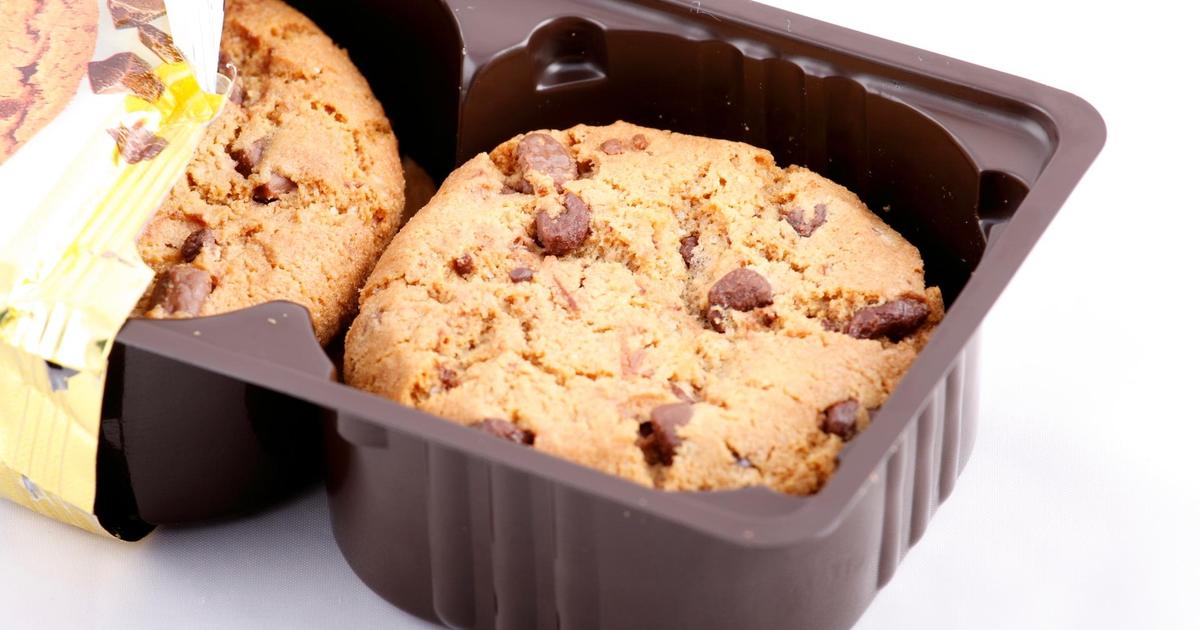
When you indulge in commercial cookies, marshmallow bears, or chocolate-filled biscuits, you may notice a pattern: you just can’t stop at one. Dr. Mohamed points out that this behavior isn’t coincidental. He states, “When you eat industrial biscuits, the hormone responsible for satiety gets disrupted.”
Think about it. You might consume one cookie, and suddenly, you’re reaching for a second, then a third, without feeling overwhelmed. If you were offered the equivalent amount of sugar in cubes, this bingeing behavior would likely not occur. A single cookie can contain 8 grams of sugar, which is more than a single sugar cube. Therefore, munching on four cookies translates to a staggering 24 grams of sugar—a quantity that should raise red flags about your intake.
The Dangers of Ultra-Processed Foods
Dr. Mohamed raises an important concern: “These cookies and other foods we find in the aisles of supermarkets can make us sick and even addicted.” He emphasizes that these items are no longer food in the traditional sense—they’re a product of chemistry. He explains, “When we refer to ultra-processed foods, we are talking about products that have been completely altered. They’re not connected to real food anymore.”
The implications of this are alarming. These ultra-processed items aren’t confined to sweets alone; they encompass ready-made meals, snacks, breakfast cereals, and beverages that often come packed with ingredients that are long, complex, and mostly unrecognizable. These can include high fructose corn syrup, trans fats, emulsifiers, colorants, preservatives, and flavor enhancers—all of which disrupt the body’s natural ability to process food.
Health Consequences of Overconsumption
Scientific studies have increasingly linked the overconsumption of processed foods to dire health consequences, including obesity, gut microbiome imbalances, and chronic diseases such as type 2 diabetes. The culprits are clear: these highly processed foods lack the nutrition of whole foods and often lead to excessive calorie intake without any satiety.
So, what’s the remedy? Dr. Mohamed advocates for a more natural and varied diet as a possible solution. The aim should be to consume less of these ultra-processed foods and instead focus on whole ingredients. Cooking meals from scratch using raw products is a fantastic starting point for enhancing not just your health but also your overall well-being.
Practical Tips for Healthier Eating
Read Labels: Always check the ingredient list. If it’s longer than a few items or includes ingredients you cannot recognize, it’s probably best to avoid it.
Whole Foods First: Prioritize fresh fruits, vegetables, whole grains, lean meats, and legumes. The fewer the ingredients, the better.
Cook at Home: Try to prepare your meals from raw ingredients whenever possible. This not only enhances the flavor but also ensures you know exactly what’s going into your food.
Snack Wisely: Opt for healthy snacks like nuts, yogurt, and homemade energy bars instead of processed snacks.
- Stay Hydrated: Instead of reaching for sugary drinks, make sure to hydrate with water or herbal teas.
Take Charge of Your Diet
While modern life often makes it easy to grab a package of cookies or a frozen meal, the long-term effects on your health can be devastating. Recognizing the risks associated with processed foods is the first step toward better health. By making a conscious decision to prioritize natural foods, you can take charge of your diet and, in turn, your health.
When you take the time to prepare and consume wholesome, unprocessed meals, you not only nourish your body but also inspire those around you to make health-conscious choices.
Transitioning to a healthier diet may require effort and determination, but the benefits—both physical and mental—make it undeniably worthwhile. Your body will thank you for it!
Vidéo suggérée Quels sont les produits de saison en juin ? Video 1 sur 2