
The Rising Tensions Between the U.S. and the EU
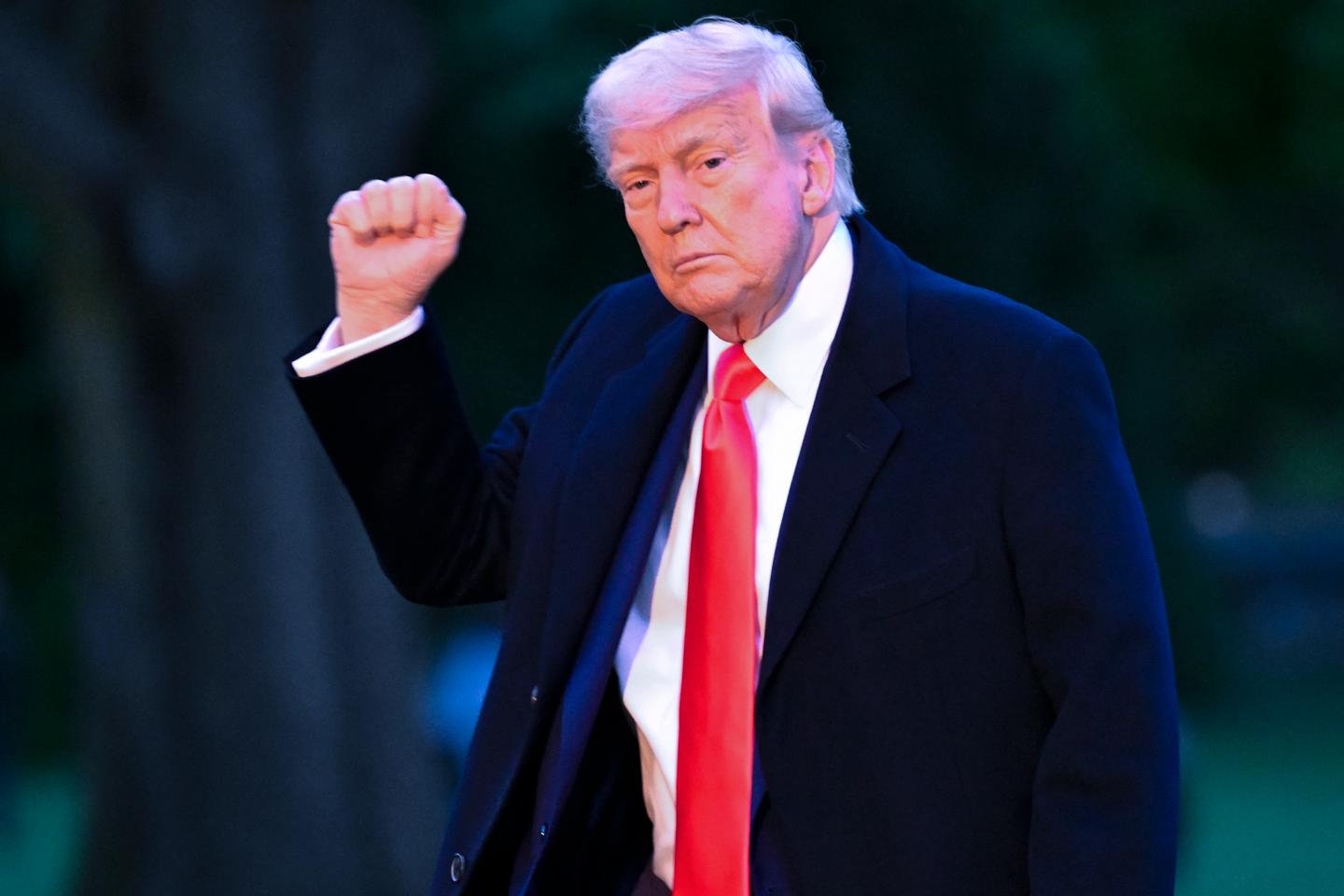
On May 23, 2025, President Donald Trump issued a warning to the European Union (EU) , announcing plans to implement 50% customs duties on European products imported into the United States starting June 1. His remarks stemmed from frustrations with the stalled negotiations that he believes “ don’t go anywhere .”
“It is very difficult to deal with the EU, which was created in the first place to enjoy the United States from a commercial point of view. Our discussions are not progressing. Under these conditions, I recommend imposing 50% customs duties on the EU, beginning June 1. There are no customs duties on products manufactured in the United States,” he communicated via his Truth Social platform.
The announcement caused a significant plunge in the stock markets, igniting fears of a renewed trade war between the U.S. and the EU. This recent rhetoric from Trump evokes memories of his previous confrontations with international trade policies, emphasizing his administration’s aggressive stance on trade.
The Current Trade Landscape
Currently, the EU faces 25% tariffs on key products including steel, aluminum, and automobiles in the U.S. market. Alongside these tariffs, the U.S. imposes 10% customs duties on nearly all other products from the EU, a rate that may escalate to 20% once the 90-day period granted by Trump expires on July 8 .
In response to Trump’s announcement, the European Commission has emphasized its commitment to finding a negotiated solution. The Commission has made it clear that while it opts for dialogue, preparations for a retaliatory response will be in motion by July, should negotiations come to a halt.
The Implications of Trump’s Threat
Trump’s proposed tariffs could have far-reaching consequences not just in the economic realms but also in the political landscape between the two entities. With the U.S. economy still recovering from the impacts of the pandemic, the EU remains a crucial trading partner. A trade war could severely disrupt economic activities, leading to higher prices for consumers and manufacturers alike.
Analysts point out that imposing such tariffs may risk retaliatory actions from European nations, further escalating tensions. This could lead to a cycle of tariffs, stalemates, and strained international relationships, which might affect not only U.S. corporations but also consumers.
Looking Ahead: The Future of U.S.-EU Relations
The future of U.S.-EU relations hinges on many factors, including political stability within the U.S. and the responsiveness of the EU to Trump’s administration. Any perceived weakness or indecisiveness from EU leaders may embolden Trump’s aggressive tactics.
Moreover, upcoming elections in both Europe and the U.S. will likely play a pivotal role in shaping trade policies. As the world watches these developments, the emphasis is on finding common ground and diplomatic solutions to avoid the pitfalls of economic isolationism.
The Economies at Stake
The economies of both the U.S. and the EU are intertwined, and a disruption in trade could lead to global economic volatility. Sectors at risk include automobiles, machinery, and technology, all of which are heavily dependent on transatlantic trade. A proactive approach by both parties could ensure stability and mutual benefits instead of a destructive path.
In conclusion, leaders on both sides must navigate these tense waters carefully to foster cooperation rather than conflict. The stakes are high; economic resilience, consumer benefits, and political relationships are all dependent on how well these negotiations, or lack thereof, unfold in the coming months.