

Does Apple’s MacBook Neo Face Real Competition?
The launch of the MacBook Neo marks an important moment for Apple, as it caters to the growing demand for an affordable MacBook option. But how does it stack up against the competition from Windows laptops in the same price range? To give you a clearer picture, we’ll compare the MacBook Neo with three standout Windows alternatives.
Comparative Specifications
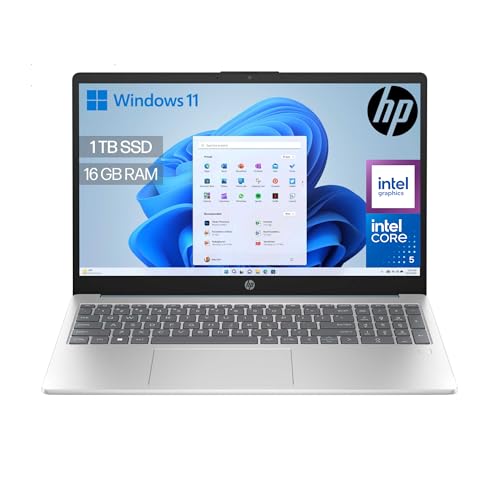
HP 15-fd0402ns – 15.6″ FHD Laptop (Intel Core 5 120U, 16GB RAM, 1TB SSD, Windows 11)
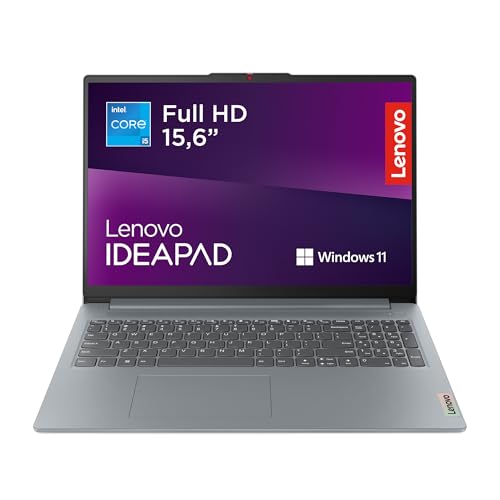
Lenovo IdeaPad Slim 3 Gen 8 – 15.6″ FHD Laptop (Intel Core i5-13420H, 16 GB RAM, 512 GB SSD)
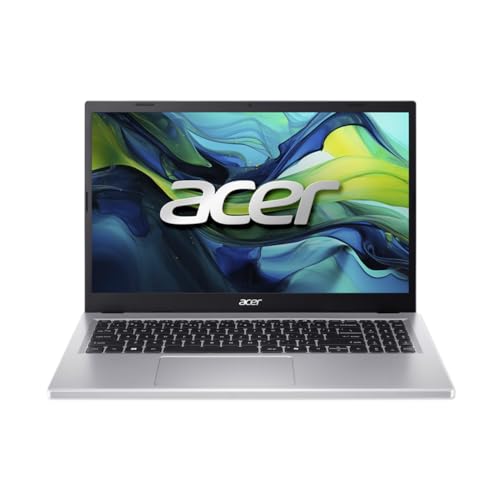
Acer Aspire Go 15 – 15.6″ Laptop (Intel Core i7 13620H, 16 GB DDR5 RAM, 1024 GB SSD)
Screen Quality vs. Size
The MacBook Neo sports a compact 13-inch display compared to its competitors’ larger 15.6-inch screens. While the size difference is evident for multitaskers, Apple compensates with superior screen quality. Its True Tone technology enhances color accuracy and brightness, ensuring visibility even in brightly lit environments.
Operating System: A Deciding Factor
One of the major distinctions is the operating system. The MacBook Neo adopts macOS, celebrated for its clean interface and lightweight performance. Although more restrictive in customization than Windows, it excels in core applications and seamless integration with other Apple services. This is particularly beneficial for individuals already invested in the Apple ecosystem.
On the flip side, Windows offers higher customization, allowing users to tailor their environments based on workload. Users can easily manage multiple windows and install a broader array of software. However, the performance may vary based on hardware demands.
Performance and Hardware: Numbers Don’t Lie
Despite its lower RAM configuration (8GB vs. 16GB in Windows rivals), the MacBook Neo’s A18 Pro chip is more powerful than many expect, outperforming even the M1 MacBook Air. In contrast, the Windows alternatives boast Intel Core processors (i5 and i7 variants), which may yield better performance for tasks like video editing. However, Apple’s reputation for efficient thermal management ensures quieter operation under load.
Portability and Battery Life
In terms of portability, the MacBook Neo, weighing only 1.23 kg, is significantly lighter than its Windows counterparts. Its capacity for up to 16 hours of battery life is another advantage, overshadowing the roughly 10 hours offered by the competition, making it ideal for users on the move.
Connectivity: Where the MacBook Falls Short
However, connectivity remains a weak point for the MacBook Neo, equipped only with two USB-C ports and a headphone jack. This limitation may necessitate additional purchases for those who rely on multiple peripherals. Conversely, Windows competitors provide a variety of ports, enhancing their versatility.
Conclusion: MacBook Neo or Windows Laptop?
Choosing the MacBook Neo
- Exceptional screen quality and color accuracy.
- Lightweight and excellent battery life, perfect for mobile professionals.
- Seamless integration with Apple devices.
- An affordable option for office tasks and students.
Selecting a Windows Laptop
- Larger storage options, ideal for multimedia and software.
- Extended RAM for heavy multitasking or complex applications.
- Superior connectivity with multiple ports, reducing accessory costs.
In summary, whether the MacBook Neo truly competes depends on individual requirements, prioritizing either seamless Apple integration or a versatile, robust Windows experience.