
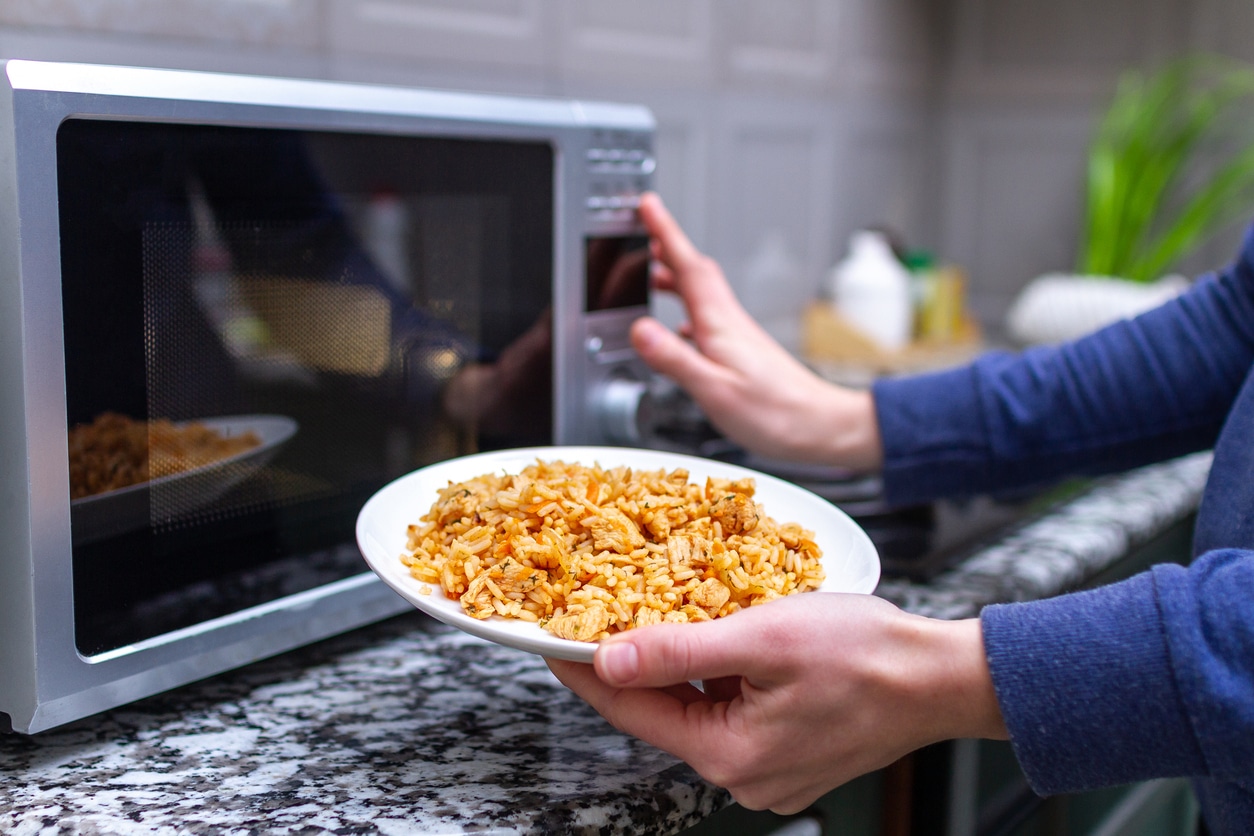
Who hasn’t experienced the delightful surprise of tasting a curry, chili, or stew the next day, only to find it even better than when it was freshly cooked? While one might assume this enhancement is just a trick of the taste buds or simply a consequence of hunger, science reveals that leftovers sometimes possess an actual chemical advantage .
The Magic of Rest: When Flavors Take Their Time
As a dish cools and rests for several hours—or even overnight in the refrigerator—subtle but significant molecular transformations occur. Strong aromas, often derived from sulfur-containing compounds such as those found in onions, garlic, or cabbage, undergo slow oxidation. This process softens their intensity, creating a more harmonious dish. Potent spices like turmeric and black pepper experience a similar effect: less aggression, more depth .
Umami: The Flavor That Grows with Time
One of the main players in this gustatory evolution is umami, the savory taste often associated with Asian cuisine. It originates from glutamate , an amino acid released when proteins break down. As food cools and rests, the proteins in meats or broths decompose gently, amplifying the richness and fullness of the flavor. It is umami that transforms a good dish into an unforgettable experience .
Starches Become Softer and More Succulent
Meanwhile, starchy vegetables like potatoes or lentils continue their transformation. They begin to fragment into simple sugars, adding a subtly sweet note and improving the texture. The result? More tender, homogeneous bites , and an overall more balanced dish.
Credit: iStock
Credit: Richard Villalon/istock
Rest = Natural Infusion
The resting time acts as a passive marinade . Flavors diffuse through the fibers of the food, sauces thicken slightly, and each bite feels more connected to the next. This is why sauce-based dishes—such as bolognese, tagines, dahl, and ratatouille—are among the big winners when reheated.
But Beware: Not All Leftovers Are Masterpieces
This rule doesn’t apply to everything. Delicate dishes like soufflés, tempura, or dressed salads often suffer when stored in the refrigerator. They can become soft, dry, or spongy.
Moreover, let’s not forget about food safety: between 5°C and 60°C, bacteria proliferate rapidly. A dish left at room temperature for too long can become dangerous, even after reheating. Some toxins do not disappear with heat. When in doubt, it’s better to throw it away than to regret.
In summary, while certain dishes indeed improve the next day, it’s not magic but the culinary chemistry at play. So, the next time you prepare a stew, consider whipping up a large batch. Your future self will thank you for it.