
Understanding Diabetes: A Global Health Challenge
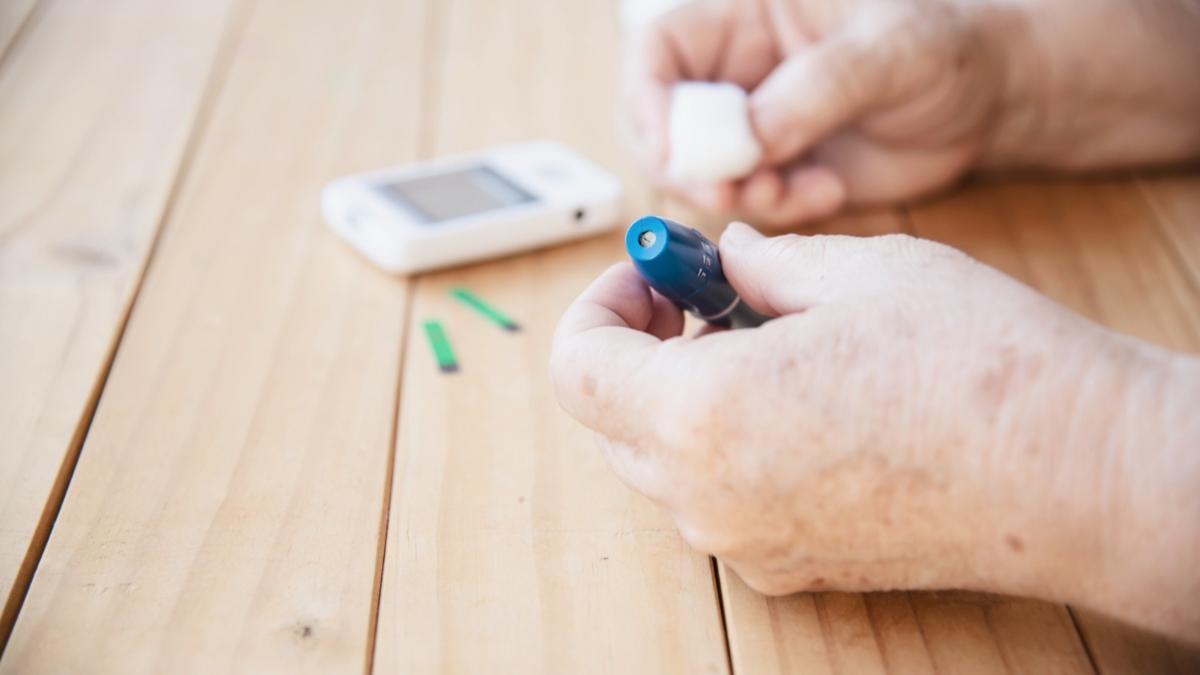
Diabetes is one of the most prevalent non-communicable diseases worldwide. In Spain alone, it affects over six million individuals. The rising numbers highlight a significant public health concern as both Type 1 and Type 2 diabetes require careful management of blood sugar levels.
Types of Diabetes: Key Differences
Diabetes generally falls into two categories: Type 1 and Type 2. Type 1 diabetes usually appears in adolescence and results from the body’s inability to produce insulin. Conversely, Type 2 diabetes is more common, stemming from the body not producing adequate insulin or effectively utilizing it. For both types, individuals must diligently monitor their blood sugar levels.
The Impact of Diet on Blood Sugar Levels
Diet has a crucial role in managing diabetes effectively. It’s essential to understand how various foods influence glucose levels in the bloodstream. Managing episodes of hyperglycemia (high blood sugar) and hypoglycemia (low blood sugar) is vital for individuals living with diabetes.
Hyperglycemia Explained
Hyperglycemia is characterized by blood sugar levels exceeding 240 mg/dl. This condition results from a buildup of glucose in the blood and can lead to severe complications if left untreated. Key symptoms often do not appear until blood sugar levels are persistently high.
Symptoms of Hyperglycemia
Symptoms include:
- Nausea and vomiting
- Fatigue
- Frequent urination
- Excessive thirst
- Increased hunger
- Abdominal pain and weakness
- Fainting
- Diabetic ketoacidosis (high levels of ketones in the blood)
Managing Hyperglycemia
First and foremost, staying calm is crucial. Individuals should measure their blood sugar at the first sign of hyperglycemia and drink plenty of water to dilute the blood glucose. If prescribed, they can also administer the appropriate insulin dosage. If ketones are present in urine, it’s a signal to seek medical attention urgently.
Hypoglycemia: A Counter Perspective
Hypoglycemia, on the other hand, occurs when blood glucose levels drop below 70 mg/dl. Unlike hyperglycemia, which is often easier to manage, hypoglycemia requires immediate treatment to avoid severe complications.
Symptoms of Hypoglycemia
Symptoms of hypoglycemia can manifest quickly and include:
- Paleness
- Shaking
- Sweating
- Headaches
- Nausea
- Rapid heart rate
- Fatigue
- Irritability or anxiety
If untreated, symptoms can progress to confusion and even seizures.
Taking Action Against Hypoglycemia
In non-emergency situations, the 15-15 rule is widely recommended for treating hypoglycemia. This involves consuming 15 grams of fast-acting carbohydrates (for example, a tablespoon of honey or juice) and waiting 15 minutes before rechecking blood sugar levels. It’s vital to avoid slow-acting carbohydrates, as they may not provide immediate relief.
If the condition doesn’t improve, repeat the process. In the case of unconsciousness, avoid oral intake and consider administering glucagon, a hormone that counteracts insulin’s effects.
The Long-Term Consequences of Poor Diabetes Management
Failing to manage blood glucose levels effectively can result in severe long-term complications. These include:
- Nephropathy (kidney damage)
- Retinopathy (eye problems)
- Peripheral neuropathy (numbness and pain in limbs)
- Diabetic coma, which could lead to permanent brain damage or death
Conclusion
Managing diabetes is paramount in today’s healthcare landscape, where a staggering number of individuals are impacted daily. Through understanding symptoms, appropriate dietary choices, and how to promptly respond to fluctuating blood sugar levels, individuals can lead fulfilling lives while minimizing complications. Continuous education and self-monitoring are key to thriving with diabetes.