
The Unbalanced Dynamics of the Russia-Ukraine War
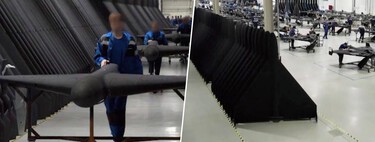
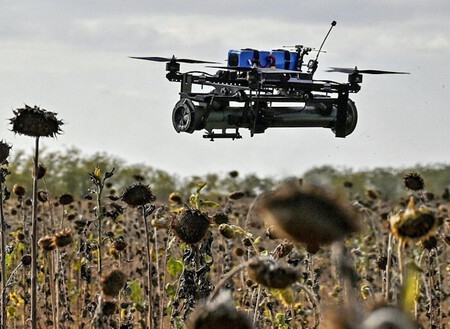
The ongoing war between Russia and Ukraine presents an incredibly asymmetric landscape. Russian forces have adopted a strategy characterized by overwhelming firepower , utilizing advanced weaponry such as thermobaric munitions and Shahed drones . On the other hand, Ukraine’s tactical approach relies heavily on smaller-scale operations, deploying drones for surveillance and targeted strikes. Notably, operations like the Spiderweb have illustrated the effectiveness of Ukrainian drone warfare. These unmanned aerial vehicles (UAVs) have become significant assets for Kyiv, as they enable precision strikes and contribute to the nation’s resilience, which military leaders believe will sustain Ukraine’s efforts in the conflict.
The Internet Crisis in Russia
However, the ripple effects of this conflict extend far beyond the front lines. The Russian populace is increasingly facing disruptions to their basic internet services . The Associated Press reports growing complaints from citizens about unreliable mobile networks. One user from Voronezh lamented, “We have the Internet until 12 at night, and recently there has been no connection.” These disruptive cuts are impacting multiple cities, including regions closer to the Ukrainian front.
Everyday Challenges for Citizens
The interruptions in the internet service create a day-to-day struggle for many Russians. People are finding it difficult to perform routine tasks such as making card payments , using transport applications , or even withdrawing cash from ATMs . Activist group Na Svyazi , which translates to “being connected,” has reported mobile internet outages in 73 out of 80 regions , with 41 additional regions experiencing disruptions to their domestic internet connections. This growing crisis showcases how the war is indirectly affecting the lives of Russian citizens, making everyday actions increasingly challenging.
The Government’s Justification
In a bid for national security , Russian officials have introduced internet cuts in various regions. They argue that both Russian and Ukrainian drones rely on mobile networks for navigation and communication, as noted by Kateryna Stepanenko , a Russian analyst at the Institute for the Study of War . The government, through spokespeople like Dmitry Peskov , has confirmed that the disruptions are deliberate, stating that they will continue “as necessary” for security purposes.
Control Mechanisms
Many analysts view these internet restrictions as a method of control over the Russian populace. Anastasiya Zhyrmont , of the rights advocacy group Access Now , contends that these online blockages serve a dual purpose: they disrupt drone operations while also stifling dissent among the public. With social media outlets like YouTube experiencing throttling—where activity was down to 20% of its normal levels by year-end 2024—it is evident that the Kremlin is trying to limit the flow of information within the country.
Preparation for Internet Isolation
It’s worth noting that Russia’s preparations for a total internet disconnection are not new. Back in 2019, the Kremlin tested its ability to disconnect its network infrastructure from the global internet, which was deemed a success. As tensions escalate, fears of a forced disconnection have become more pronounced. Even before Ukraine urged for a global internet disconnection for Russia, preparations were already in the works to establish a self-sufficient internet system in anticipation of potential future conflicts.
The ramifications of the ongoing conflict between Russia and Ukraine are multifaceted, affecting not just military engagements but also the civilian lives of countless individuals. While Ukraine’s tactical use of drones has proven effective on the battlefield, the resulting internet disruptions in Russia signify a deeper control strategy at play. The war continues to reshape local dynamics, revealing how technology and geopolitics intersect in unforeseen ways.