
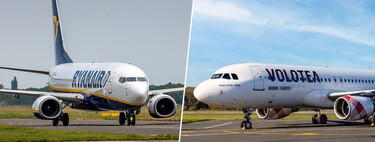
The Ryanair and AENA Conflict: An Overview
In 2025, Ryanair and AENA found themselves embroiled in a heated exchange over airport management and pricing structures. Ryanair claims that AENA imposes excessively high fees that undermine competitive pricing, while AENA argues that they provide significant discounts where necessary. Despite these tensions, both parties achieved a surprising milestone by moving more passengers than ever before.
The Origin of the Clash
This conflict came to a head in February 2025, when Ryanair CEO Michael O’Leary publicly criticized Spanish Minister of Consumer Affairs, Pablo Bustinduy, labeling him a “clown” in a widely circulated video. The government’s push to allow larger carry-on luggage resulted in Ryanair facing potential fines, aggravating the situation further.
Operational Reductions and Consequences
In January, Ryanair warned of plans to cut back operations significantly in Spain, suggesting a reduction of 800,000 seats at various regional airports. This anticipated reduction led to substantial passenger traffic declines at key locations, with Jerez reporting a 7% drop and Valladolid experiencing over 60%. Such cuts also resulted in job losses in auxiliary travel services.
Passenger Traffic Surges Despite Challenges
Amidst the conflict, data from AENA revealed that passenger numbers were at an all-time high. In 2025, the airline carried 19% of all travelers in Spain, indicating a paradox where both Ryanair and AENA succeeded despite ongoing disputes.
Strategic Focus on Popular Airports
While O’Leary attributes Ryanair’s concerns about regional airports to AENA’s high fees, the airline has shifted operations to focus on airports that handle larger passenger volumes. In winter 2025, they introduced an additional 100,000 seats, benefiting major tourist destinations like Malaga, Alicante, and Valencia.
- Malaga: 11.5% increase in 2024 and 7.4% in 2025, with international passengers growing by 13% and 7.8% respectively.
- Alicante: 16.8% increase in 2024 and 8.5% in 2025, with a similar rise in international travel.
- Valencia: Noted growth of 8.7% in 2024 and 9.5% in 2025, with a significant increase in international passengers.
Regional Impacts Beyond Spain
This realignment isn’t limited to Spain; similar reductions in seat capacity have been noted across Europe, including:
- Germany: 800,000 seats cut.
- France: 725,000 seats cut.
- Estonia: 110,000 seats cut.
- Latvia: 160,000 seats cut.
Financial Strategies and Hidden Subsidies
The increase in operational focus on larger airports highlights Ryanair’s adaptation strategy in response to external challenges. Although the company critiques airport fees as excessive, part of its business model involves maximizing profitability through advertising contracts and hidden subsidies, allowing some routes to remain operational even with low passenger counts.
This strategy also contributes to Ryanair’s negotiation power with other airport managers, securing favorable terms that enhance their market position.
Conclusion
In a turbulent year marked by public disputes and operational changes, Ryanair and AENA have surprisingly emerged stronger. The passenger surge reflects not only resilience but also a strategic pivot towards more profitable routes. As the airline navigates challenges in various markets, it will be interesting to see how these dynamics evolve and what impacts they will have on travel across Europe.