
| IN BRIEF |
|
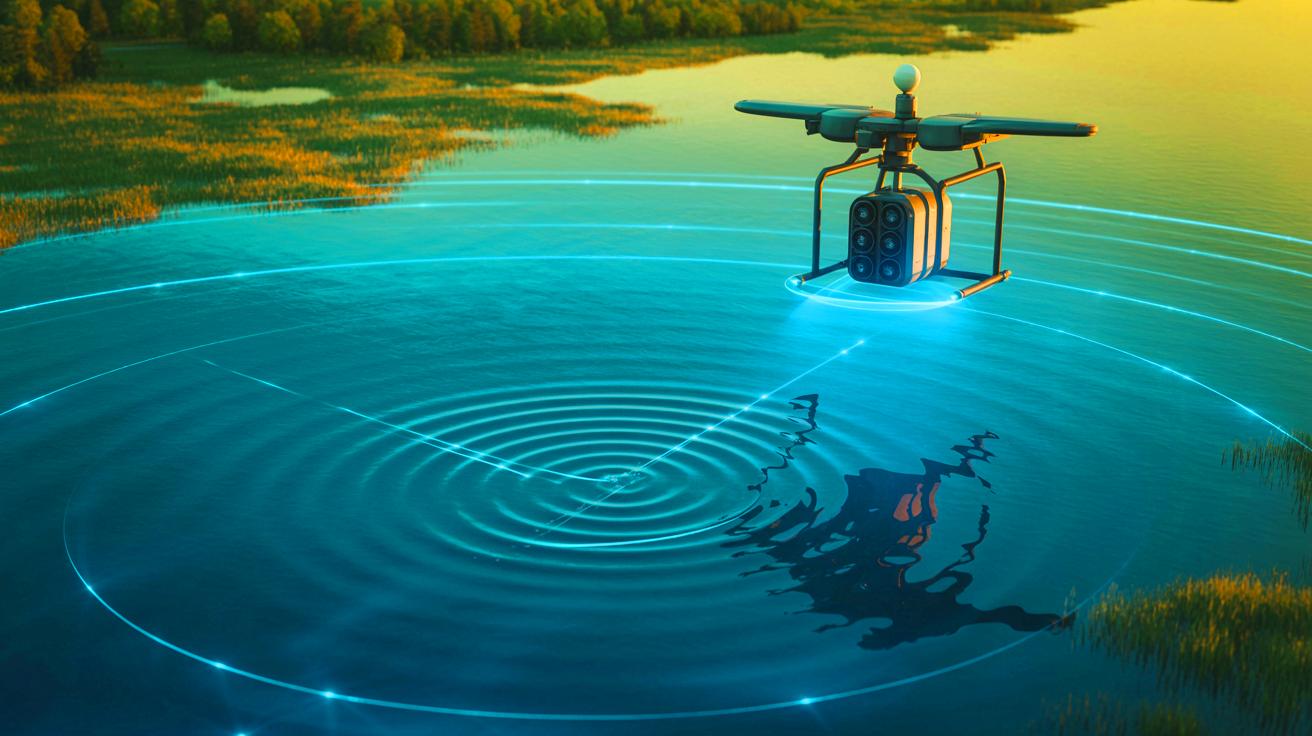
In a world where the security of communications is crucial, a recent discovery could challenge our long-held beliefs. Researchers from Princeton and MIT have developed an innovative method to intercept underwater messages from the air. By utilizing radar technology, they can capture acoustic signals that create vibrations on the water’s surface and decode them. This advancement exposes a new vulnerability in aquatic communication systems that were previously considered safe.
The Revolutionary Radar Detection Technique
The research team developed a method to capture underwater acoustic signals using radar. These signals create vibrations at the surface of the water, which can be decoded without the need for physical contact with the water. The system was successfully tested on Lake Carnegie, demonstrating its effectiveness even with standard equipment. This technique relies on detecting microscopic vibrations on the water’s surface, caused by underwater sound waves. A radar emits signals that bounce off these vibrations, allowing for analysis. This method, discreet and difficult to detect, opens new perspectives in surveillance and security.
Security and Strategic Implications
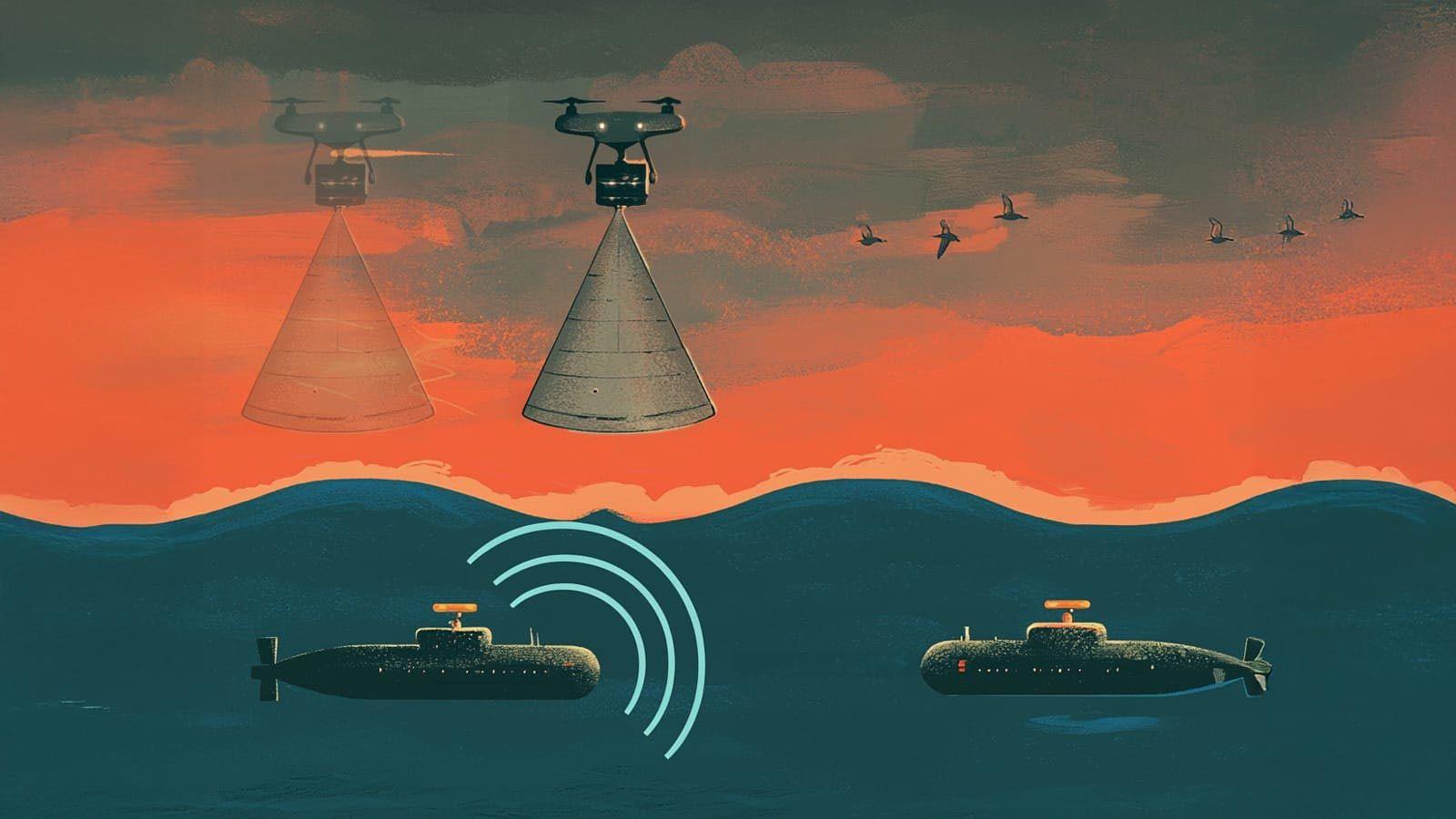
The security implications of this discovery are vast, affecting various fields such as climate monitoring and defense. Researchers emphasize the need to strengthen the security of underwater transmissions. This method could potentially be used to spy on sensitive data, such as that of submarines or oil platforms. The researchers propose protection strategies, including modifications to the design of underwater acoustic transmitters to make signals more difficult to intercept. Physical barriers, such as the different densities between water and air, can be bypassed with appropriate technologies, highlighting the urgency of adapting our communication systems to these new threats.
Innovative Algorithms for Decoding Messages
Employing innovative algorithms, the team has managed to decode messages without prior knowledge of transmission parameters. This technical feat demonstrates the researchers’ capability to overcome challenges posed by natural interferences such as wind and waves. Real-world testing has confirmed the robustness of the system, with researchers now considering improvements for even more precise detection. The potential applications of this technology extend beyond espionage, including scientific research and maritime rescue operations. However, the risks to data privacy are significant, necessitating careful consideration of protective measures to be implemented.
Toward Strengthened Protection of Underwater Communications
In light of these discoveries, it is imperative to rethink the security of underwater communications. Researchers stress the need to implement effective protection strategies to counter this newfound vulnerability. Modifications in the design of underwater acoustic transmitters could make signals more challenging to intercept. Technological advancements must be accompanied by reinforced security measures to guarantee the confidentiality and integrity of data transmitted underwater. By building on previous work from MIT, this research paves the way for a better understanding of the interactions between water and air while laying the groundwork for future innovations within the communication field.
This fascinating discovery raises numerous questions about the future of underwater communication security. How will researchers and engineers adapt current technologies to protect sensitive data from these new interception methods? What impacts will these advancements have on international security standards? The answers to these questions will shape the evolution of communication systems in a world where data confidentiality is more crucial than ever.
The author drew on artificial intelligence to enrich this article.
Did you enjoy this? 4.3/5 (29)