
The Upcoming 2B Title Deed Reform in Turkey: A Game-Changer for Land Ownership
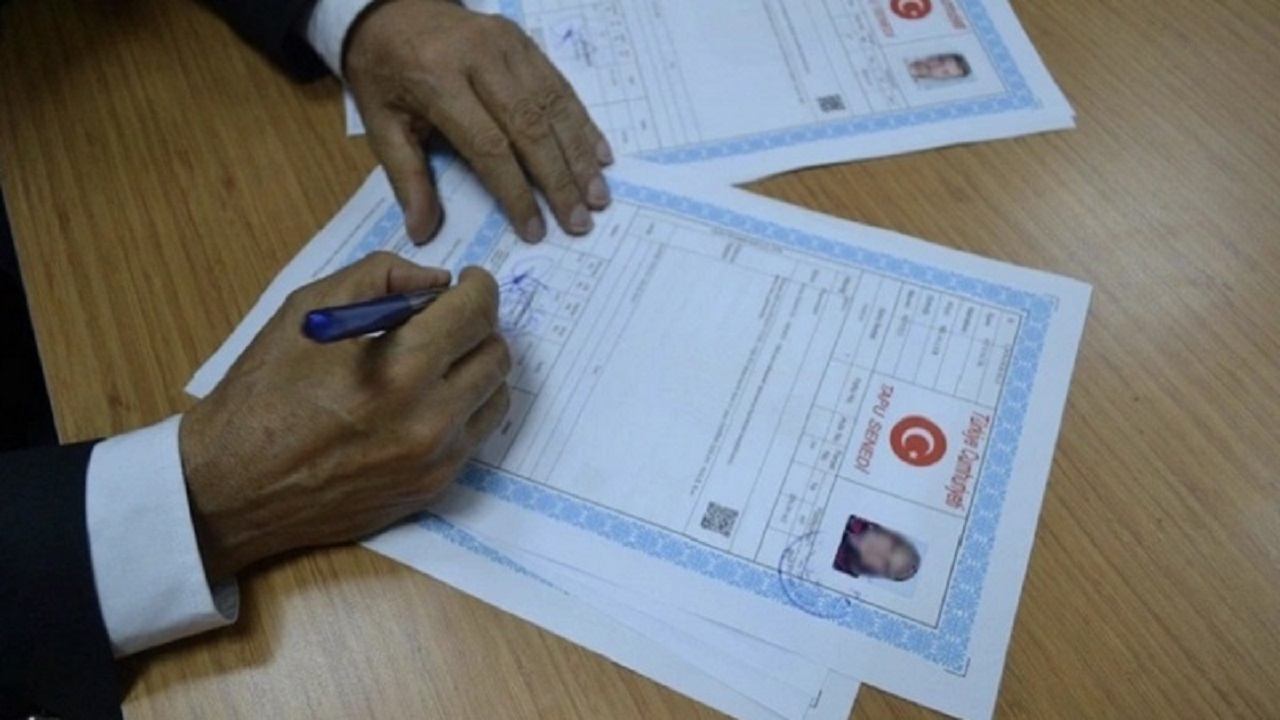
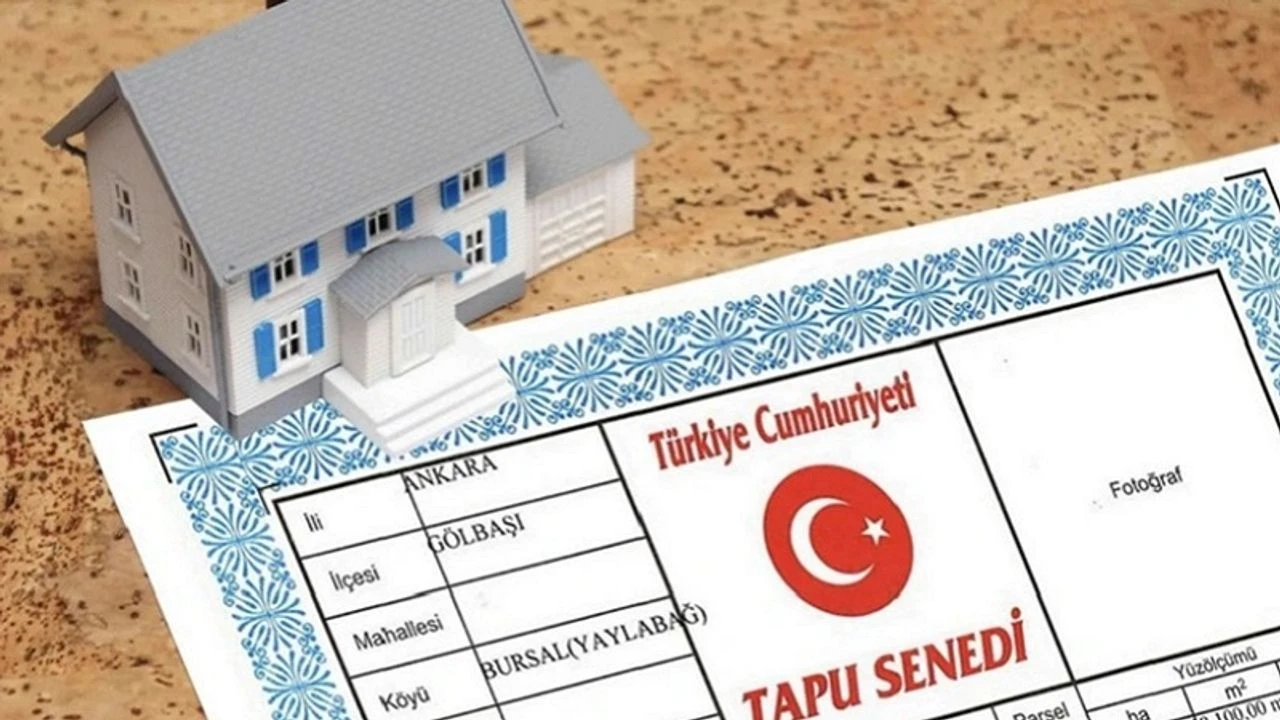
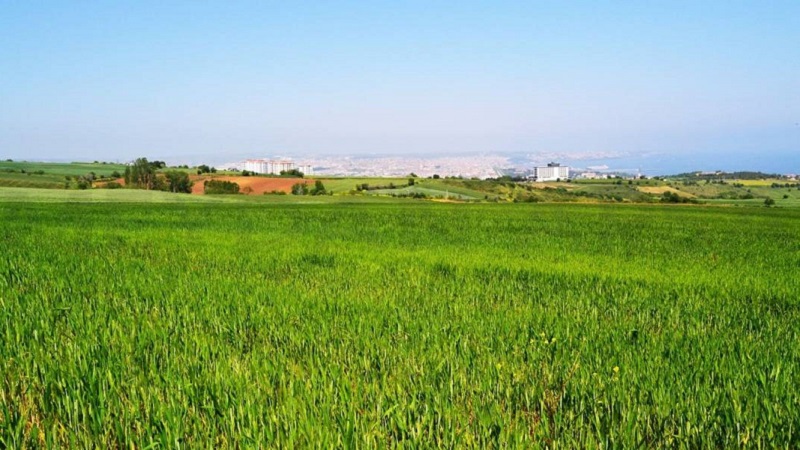
The Ministry of Environment, Urbanization and Climate Change in Turkey is taking a significant step regarding the long-discussed 2B lands. Approximately 100,000 hectares of land, which lost their forest status before 1981 and have been used by citizens for years, are now entering an official title deed process. This initiative aims to bring legality to land ownership which has long been in a state of ambiguity.
Addressing the Needs of the Title-less Owners
In a recent announcement, Minister Murat Kurum emphasized that these lands, previously classified as forest areas, will finally have their ownership rights solidified within a legal framework. Many citizens have lived for years on properties that include houses, fields, and workplaces but lack any official title deeds. Thankfully, this new regulation will enable them to obtain their official title deeds. The entire process aims to be completed by the end of 2025.
How Will the Title Deed Process Work and Who Will Benefit?
The properties categorized under 2B will first be identified by the Forest Cadastre Commissions, which will register them under the name of the Treasury. Following that, the General Directorate of Land Registry and Cadastre will determine the individuals currently using these areas. Information regarding the users and any existing structures will be recorded in cadastre minutes. After these steps, the properties will be transferred to the General Directorate of National Estate. Citizens wishing to acquire title deeds will need to apply to this authority to begin the ownership process.
This reform comes as a relief for many in rural areas, especially in Anatolia, where property rights have been a long-standing issue. Eligible individuals will be able to obtain their title deeds by making payments to the Treasury, with regional appraisal values being taken into consideration for the amounts due.
Officials emphasize that this initiative will not threaten existing forested areas. It exclusively pertains to lands that lost their forest classification before 1981, reiterating that there will be no adverse impact on the natural environment.
Which Cities Will Be Most Affected?
The title deed applications are particularly concentrated in cities like Izmir, Ankara, Antalya, Manisa, Aydın, Samsun, Mersin, and Adana. Residents of these regions will have the opportunity to access their title deeds relatively quickly. As the process unfolds, citizens in other provinces with similar situations are expected to be included as well.
The introduction of this measure comes at a crucial time for land rights in Turkey. Many people have lived in uncertainty, and this reform aims to resolve long-standing ownership disputes that have persisted for decades. By officially recognizing these lands and ensuring their transition into private ownership, the government seeks to stabilize property laws and enhance livelihood security for its citizens.
The adjustments outlined will not only provide peace of mind to landowners but also stimulate the local economies through better land utilization. When individuals have the security of ownership, they are more likely to invest in their properties—this could mean improved residences, better agricultural practices, or even the development of small businesses.
In conclusion, the Ministry of Environment, Urbanization and Climate Change is taking commendable steps to rectify historical oversights regarding land ownership. The upcoming title deed reform represents the culmination of efforts to address property disputes, thereby fostering a more secure and legally sound environment for all citizens involved.
With the implementation of this program, Turkey is on the verge of a pivotal shift in land ownership, reinforcing the foundations of property rights that can benefit the nation as a whole. Those affected should watch developments closely and prepare for applications as the end of 2025 approaches.
Çevre, Şehircilik ve İklim Değişikliği Bakanlığı, uzun süredir gündemde olan 2B arazilerine ilişkin kritik bir adımı hayata geçiriyor. Orman niteliğini 1981 yılından önce kaybetmiş ve yıllardır vatandaşlar tarafından kullanılan yaklaşık 100 bin hektarlık alan için resmi tapu süreci başlatıldı.
TAPUSU OLMAYANLARI DA İLGİLENDİRİYOR
Bakan Murat Kurum’un geçtiğimiz günlerde yaptığı açıklamaya göre, orman dışına çıkarılmış bu taşınmazların mülkiyet hakkı artık yasal zemine oturtulacak. Üzerinde yıllardır ev, tarla ya da iş yeri bulunan, ancak herhangi bir tapu kaydı bulunmayan vatandaşlar, bu düzenlemeyle birlikte resmî tapularına kavuşabilecek. Sürecin 2025 yılı sonuna kadar tamamlanması hedefleniyor.
TAPU SÜRECİ NASIL İŞLEYECEK VE KİMLERİ KASIYOR
2B kapsamına giren araziler, öncelikle Orman Kadastro Komisyonları tarafından tespit edilerek Hazine adına tescilleniyor. Ardından Tapu ve Kadastro Genel Müdürlüğü, bu alanları fiilen kullanan kişileri belirliyor. Kullanıcıya ait bilgiler ve varsa yapılar kadastro tutanaklarına işleniyor. Bu işlemlerin ardından taşınmazlar Milli Emlak Genel Müdürlüğü’ne devrediliyor. Tapu almak isteyen vatandaşların, bu kuruma başvurarak mülkiyet sürecini başlatmaları gerekiyor.
Bu kapsamlı düzenleme, özellikle Anadolu’daki pek çok ilde uzun süredir çözüm bekleyen mülkiyet sorunlarını ortadan kaldıracak. Tapu alma hakkı tanınan kişilerin, Hazine’ye ödeme yaparak tapularını alması planlanıyor. Ödemelerde bölgesel rayiç bedeller dikkate alınacak.
Yetkililer, uygulamanın mevcut orman alanlarını tehdit etmediğinin altını çiziyor. Sadece 1981 öncesinde orman vasfını yitirmiş alanlar için geçerli olan bu uygulamanın, doğal dokuya herhangi bir zarar vermeyeceği belirtiliyor.
EN ÇOK HANGİ ŞEHİRLER ETKİLECEK?
2B tapu işlemleri özellikle İzmir, Ankara, Antalya, Manisa, Aydın, Samsun, Mersin ve Adana gibi illerde yoğunlaştırılmış durumda. Bu illerdeki hak sahipleri, tapularına ilk ulaşanlar arasında olacak. Sürecin ilerleyen aşamalarında diğer illerdeki benzer durumdaki vatandaşlar da kapsama alınacak.
Kaynak: Gerçekgündem
General News – 1