
The Hidden Workforce Behind Luxury Cruises
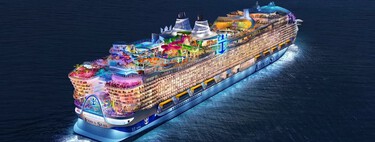
Luxury cruises evoke images of dream vacations , infinite pools , lavish buffets, and dazzling night shows. However, beneath the surface lies the intricate machinery that makes these floating resorts operate—a dedicated workforce that often endures grueling 12-hour shifts . As the cruise industry surges, it challenges us to reconsider the true cost of this indulgence .
According to the latest findings from the Cruise Lines International Association (CLIA), an astounding 34.64 million passengers are projected to embark on cruises in 2025. This mounting demand translates into mass recruitment of personnel , primarily from developing nations where wages are significantly lower. To secure employment on these vessels, prospective employees must often master English , obtain essential regulatory certifications, and commit to lengthy contracts with scant breaks away from home, as highlighted in a report from I Monde.
Life Below Decks
In stark contrast to the luxurious amenities enjoyed by passengers, the crew resides in cramped quarters, sharing rooms and likely two bunk beds with barely enough personal space. This reality is confirmed by the Alba Sud report , titled ‘Work on Cruises: From Expansion to Intensification of Workdays’. Living conditions stripped of privacy offer a glimpse into the true nature of life on these colossal ships.
Typically, crew members work an average of 11.3 hours daily, across 6.97 days each week , totaling approximately 80 hours of work per week. During high-seas cruises, they often lack any full days off, receiving only a few hours of respite at most. This cycle of relentless work raises significant concerns about crew well-being.
Exploring Legal Loopholes
Many cruise lines operate under “convenience flags” such as those of Panama , Bahamas , and Bermuda , allowing them to circumvent local labor laws and taxes, which also leads to precarious contracts and limited rights for employees. Crew members often lack union representation, making it difficult to negotiate working hours or rights. Their social protection is minimal and limited to essential medical care and basic rest, as established by the Convention on Maritime Work. Unfortunately, the lax interpretation of these regulations means that rights to maternity leave, compensation for workplace incidents, and even the right to strike are largely unprotected.
Wages notably vary, with cleaning , kitchen , and maintenance staff typically earning between $900 and $1,100 monthly. Employment contracts vary in length from 4 to 9 months, followed by a “vacation” period back in their home countries lasting 2 to 3 months, which is unpaid.
Despite the harsh working conditions, securing employment on a cruise ship remains a dream for many individuals from Southeast Asia and Latin America . For Vanessa, a 45-year-old cabin cleaner from the Philippines, this job is a lifeline, offering a chance to invest in her future. “Working on a ship is a dream for me. I plan to continue this work, as opportunities at home are hard to find,” she shares.
For many, the salary allows them to send substantial funds back home, helping to pay for their children’s education or saving to buy a house or start a business. Glitz, a lifeguard and single mother, attests, “I can support my children’s education while working away from them.” The lack of living costs onboard lets them funnel nearly all of their income back to their families.
High Turnover and Future Prospects
The Alba Sud study reveals that 81% of surveyed employees noticed an increase in workload following the pandemic, while 56% reported longer workdays. The combination of long hours, modest pay, and time spent away from families contributes to high employee turnover. Recruiters face the daunting task of hiring individuals willing to remain on the ships during the season while knowing that many may not stay after their contracts are completed.
“Companies find it difficult to retain staff. Hiring people who won’t just leave at the next port is challenging, which is why they prefer those with families to support,” explains Cédric Rivoire-Perrochat, co-founder of the Compagnie Française de Croisières Compagnie Naviera.
As this industry flourishes, the realities of their labor force continue to raise critical questions about working conditions and employee rights . There’s a compelling need for reform to ensure that those who help transform bare metal hulls into luxurious escapes are treated with the dignity and respect they deserve.