
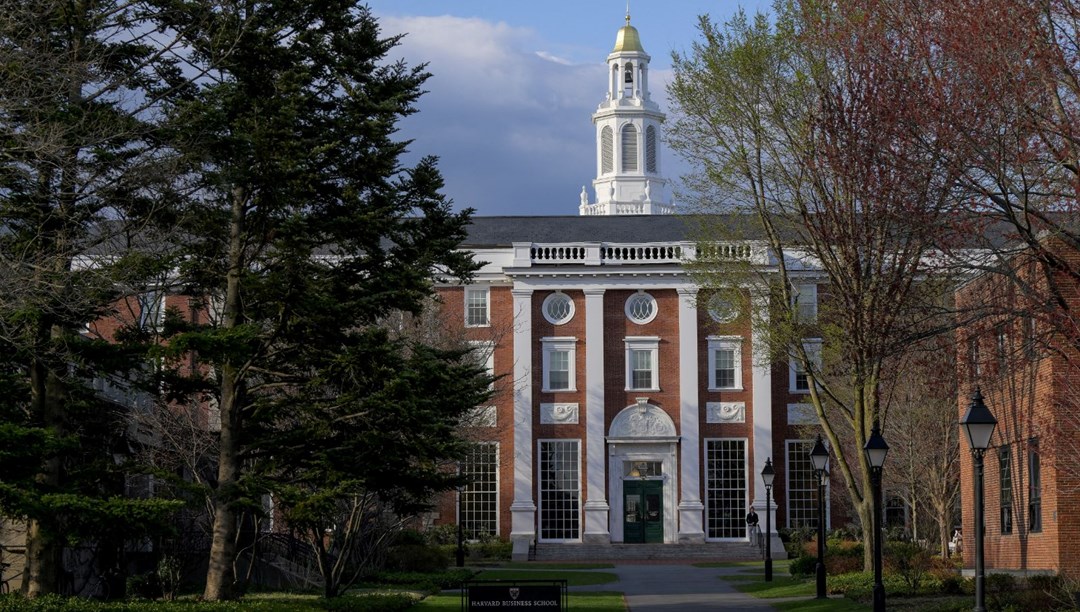
A Temporary Respite for Harvard University: A Legal Victory Against the Trump Administration
On a pivotal day for Harvard University, Judge Allison Burroughs of the Boston District Court issued a ruling that brought temporary relief to the prestigious institution. The ruling involved the U.S. Department of Homeland Security’s decision to halt the acceptance of international students at Harvard, which Judge Burroughs suspended until more information and documentation regarding the matter could be provided.
This legal development came swiftly on the heels of Harvard’s lawsuit against the Trump administration. The university has been at the forefront of national discussions regarding free speech, academic freedom, and its stance in support of various social issues, including the recent support for Palestine.
Legal Grounds for Harvard’s Challenge
In its lawsuit filed in Boston’s federal court, Harvard articulated that the U.S. administration’s decision to prevent the acceptance of international students amounted to a violation of constitutional rights. Legal representatives emphasized that such an action is inconsistent with American values of diversity and inclusion that are integral to the higher education sector.
The lawsuit emphasized how the abrupt cancellation of the international student program would disrupt the lives of many students who depend on these opportunities to further their education. Harvard argued that the decision was not only unconstitutional but also deeply damaging to the university’s academic environment.
Political Tensions: Harvard vs. Trump Administration
The tension between Harvard and the Trump administration has been palpable, especially following the announcement that federal funding for the university might be frozen. Various institutions, including Harvard, faced threats regarding their funding due to protests related to support for Palestine. The federal government cited these protests to justify the withholding of funds, creating an atmosphere of intimidation aimed at quelling dissent on college campuses.
This conflict brought to light a broader discourse on the obligations of universities to uphold diversity, equality, and inclusion, particularly in light of rising political polarization in the United States. Harvard’s commitment to these principles ultimately motivated them to oppose the federal government’s decision legally.
The Impact of Funding Threats
The Trump administration’s move to threaten funding extended to the $2.2 billion in federal aid and a $60 million contract aid. The university’s ability to foster a robust international student body, a key component of its academic richness, is at stake. The legal journey of this battle sheds light on the profound implications that political decisions can have on academic institutions.
With the establishment of the "Anti-Semitism Task Force" comprised of departments like the Department of Justice and the Department of Education, the federal government took steps to curb what it perceives as an uptick in anti-Semitic activities on college campuses. This initiative, however, came under scrutiny as critics argued that it was yet another way for the administration to impose control over academic discourse.
Defending Academic Freedom
Harvard’s legal team conveyed critical arguments surrounding the necessity of academic freedom. They posited that the ability to accept international students is central to the exchange of ideas that characterizes higher education. By accepting students from various backgrounds, universities like Harvard not only enrich their programs but also contribute to their reputation as leaders in academia.
The notion that educational institutions should face political repercussions for engaging with international students contradicts the fundamental ethos of what a university stands for. Should Harvard’s fight succeed, it could serve as a blueprint for similar cases where academic institutions feel threatened by governmental overreach.
The Broader Implications
The case has wide-ranging implications not only for Harvard but also for other universities grappling with similar threats. As the legal and political landscape evolves, institutions must navigate the complexities of governmental relationships while adhering to their missions of education and research.
By standing up against the pressures of the federal government, Harvard University sends a resilient message about the importance of safeguarding academic integrity, freedom, and the rights of international students. The outcome of this case may set significant precedents regarding the autonomy of educational institutions.
Community Response and Support
The broader community surrounding Harvard, including faculty, students, and alumni, has shown overwhelming support for the university’s decision to challenge the Trump administration. Many view this as a crucial moment that could define the future landscape of educational policy in the United States. Supporters argue that maintaining a diverse student body is imperative for fostering critical thinking and vibrant discourse on campus.
As this legal battle unfolds, it remains critical for stakeholders to stay informed, educated, and engaged in discussions about the intersection of education, politics, and society. The challenges faced by Harvard University serve as a reminder that the fight for institutional integrity and academic freedom is ongoing.
Ultimately, Harvard’s stance not only defends its own interests but also holds potential ramifications for universities nationwide, making it imperative that both academic and political communities pay close attention to the developments in this case.