
The Increasing Debate on Commuter Tax Allowances in Germany
The commuter tax allowance in Germany has become a crucial topic in recent discussions among policymakers. This financial support is intended to ease the burden on individuals who travel to work, yet recent proposals for its increase have sparked considerable controversy.
Understanding the Commuter Tax Allowance
The commuter tax allowance is designed to help workers who travel long distances to their places of employment. It allows them to deduct certain expenses from their taxable income, providing essential financial relief. However, the recent dialogues surrounding its potential increase reveal deeper complexities in fiscal responsibility among federal and state governments.
Increased Commuter Traffic: A Consequence of Policy
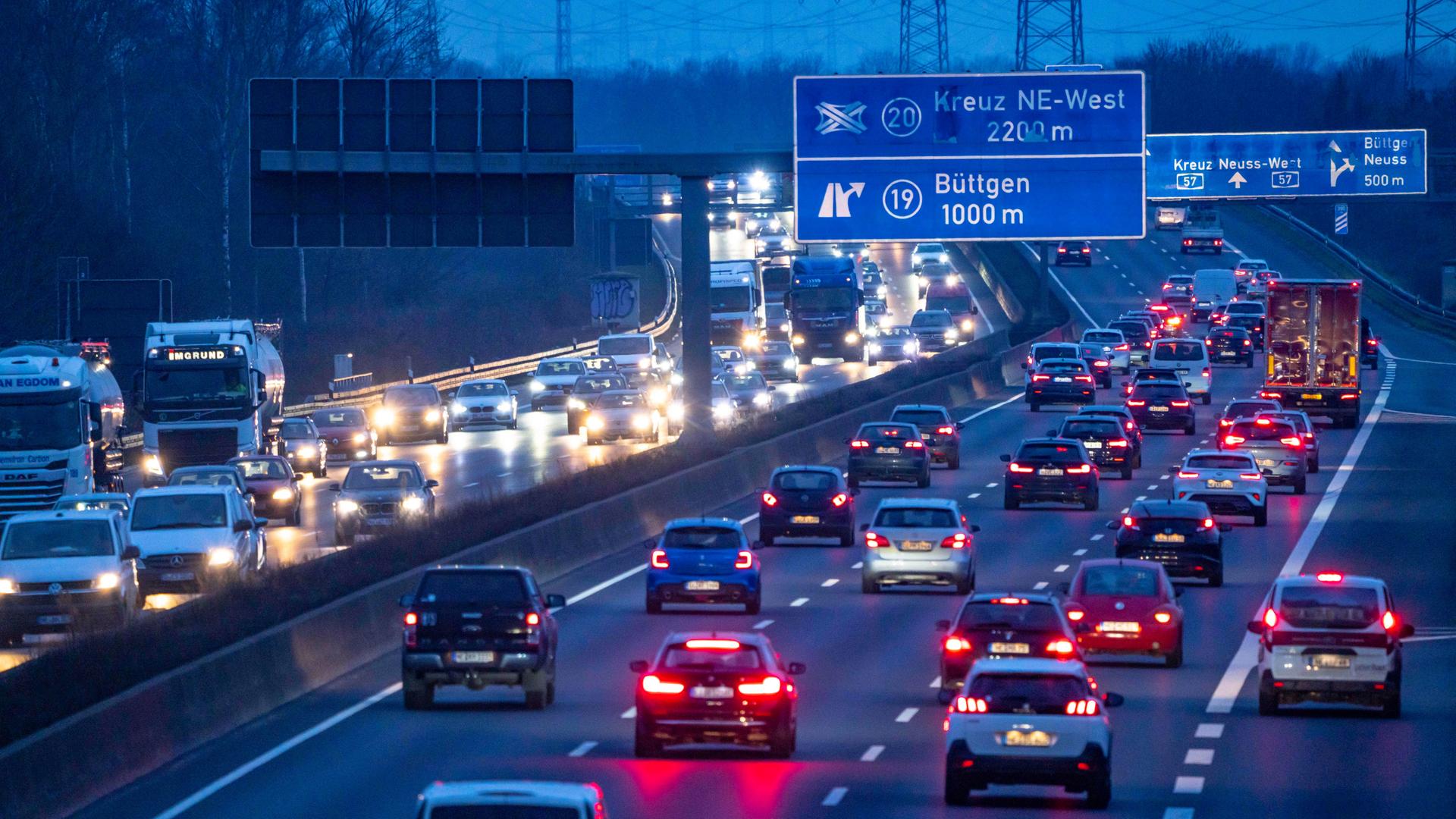
As urban areas expand, more people are finding themselves commuting longer distances. This leads to an increase in traffic congestion, which has a direct impact on the efficiency of the transportation system. Highways, such as the A57 in Kaarst (as seen in the image below), experience significant bottlenecks during peak hours. This raises questions about whether the current infrastructure can support the growing number of commuters and if financial supports are truly beneficial in the long run.
## Financial Implications for States and Municipalities
Reports indicate that states and municipalities will shoulder a significant portion of the tax losses associated with any increase in the commuter allowance. According to a survey conducted among Germany’s 16 federal states, there is growing resistance in the Bundesrat against both proposed measures.
Saxony’s Finance Minister, Piwarz , has highlighted the need for the federal government to assume full responsibility for any resulting financial losses. It echoes a broader sentiment across various parties in the German parliament that underscores the importance of financial equity among levels of government.
## The Opposition’s Voice
Even within the ruling SPD party, concerns about the financial implications of the proposed changes have surfaced. Hamburg’s finance senator, Dressel , has voiced the opinion that any federal-level relief must be backed by solid financial planning. This caution reflects a growing understanding that well-intentioned policies need to be sustainable over time.
## Budgetary Concerns: A Broader Context
Estimates suggest that the financial shortfall resulting from these measures could exceed 23 billion euros over the election period, with approximately 12.5 billion euros directly impacting states and municipalities. This substantial deficit leads to critical debates about where the responsibility lies: should the federal government step in to cover these costs, or should local governments adjust their budgets accordingly?
## Long-term Solutions
While increasing the commuter tax allowance may provide short-term relief, experts argue that Germany must look towards long-term solutions . This includes investing in infrastructure improvements, public transportation options, and urban planning initiatives designed to reduce reliance on private vehicles.
Reducing the need for long commutes is vital not only for the environment but also for the overall well-being of the workforce. Comprehensive transportation strategies must be adopted to align with the country’s climate goals while ensuring the economic growth of local communities.
## The Future of Commuter Tax Allowances
As discussions continue regarding the commuter tax allowance , it is vital for stakeholders to weigh the financial implications against the needs of the working population. Creating a balanced approach will require collaboration among federal and state governments, along with input from various civil sectors.
Ultimately, the success of any policy change is contingent on its sustainability and ability to genuinely address the challenges faced by commuters. As policymakers consider these factors, public opinion will undoubtedly play a pivotal role in shaping the future of transportation expenses in Germany.
In conclusion, the debate over the commuter tax allowance in Germany reveals nuanced challenges that extend beyond mere financial contributions. Policymakers must strive for equity and long-term viability, ensuring that any initiatives serve both immediate needs and the broader societal good.
General News – 2