
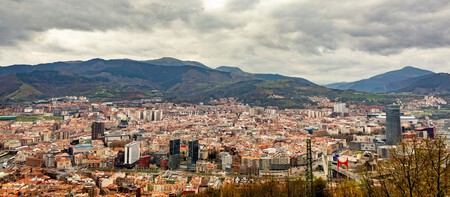
The Basque Country: Pioneering Public Housing Initiatives
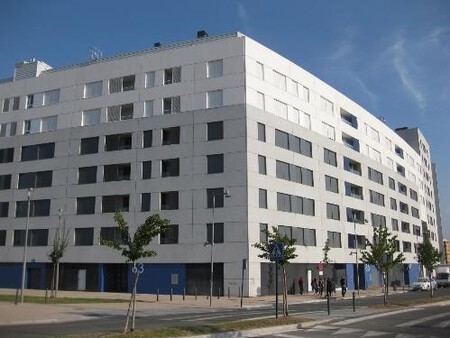
The Basque Country is taking a bold step towards addressing the critical issue of public housing. Recently, the government announced a transformative initiative that aims to triple the existing supply of public housing . This ambitious plan involves adding two thousand new apartments atop 65 pre-existing public buildings. The Minister of Housing and Urban Agenda, Denis Itxaso, emphasized that these new units will be constructed utilizing wood and modular components , significantly streamlining the construction process while reducing the need for extensive bureaucratic involvement.
A Groundbreaking Approach to Housing
The Basque Government has identified a creative solution to bolster its public housing stock in a timely manner. This innovative approach aligns with the ongoing need for affordable housing and addresses the pressing circumstances faced by vulnerable communities. By focusing on the existing rooftops of public buildings, the government believes it can construct sustainable housing that meets immediate needs without requiring extensive land use or complicated planning adjustments.
Currently, there are 937 apartments already in use alongside 253 that are under construction. With the addition of 2,000 new homes, the government is prioritizing the creation of endowment housing , which generally serves to provide temporary accommodations for those in need. This plan highlights a commitment to social equity and the importance of responsive housing strategies.
Pilot Projects: A Testing Ground for New Initiatives
To validate this ambitious plan, the Basque Government is currently working on six pilot projects that will aim to provide between 210 and 250 new accommodations . These units will primarily cater to young individuals transitioning into independent living and looking for job opportunities. The locations include two projects in Vitoria-Gasteiz , another two in Bilbao , and the last two in Gipuzkoa .
Experts have confirmed that adding height to most rental buildings is feasible, usually allowing for an additional two floors with setbacks that ensure compliance with existing architectural regulations. This strategic approach is crucial for expanding the housing supply rapidly and efficiently.
Legal Framework and Environmental Impact
This initiative is possible due to the Law on Urgent Measures for Housing, Land, and Urban Planning , currently being processed in the Basque Parliament. The new legislation simplifies the approval process, enabling the construction of additional floors on existing structures with fewer bureaucratic hurdles. Itxaso has emphasized that this method will allow for a robust response to the housing crisis without consuming more land or modifying current urban plans.
Innovative Materials and Collaboration
Another exciting aspect of this housing initiative is the focus on industrialized housing . The Basque Government has initiated a collaboration with the Kabian project , which specializes in sustainable and modular construction. The goal is to implement a lightweight construction method primarily utilizing wood , thereby minimizing environmental impact while reducing costs and timelines.
National Implications: A Model for Other Regions?
The Basque Country is not alone in exploring this method; similar strategies have been considered in other regions of Spain. For instance, the PSPV proposed amendments to local planning in Valencia to permit taller buildings for additional public housing. Even though the plan faced challenges, it indicated a growing trend among governments to maximize existing urban structures for housing solutions.
Cities like Palma , Madrid , and Barcelona have also initiated measures to increase buildable space on existing properties, highlighting a wider recognition of the urgent need for affordable housing solutions across urban areas in Spain.
As the Basque Country forges ahead with its innovative plans for public housing, it sets a compelling example of how urban landscapes can be transformed to meet community needs, ushering in a new era of affordable living solutions designed for sustainability and social equity.