
The Rise of Motorhome Living: A Solution to Spain’s Housing Crisis
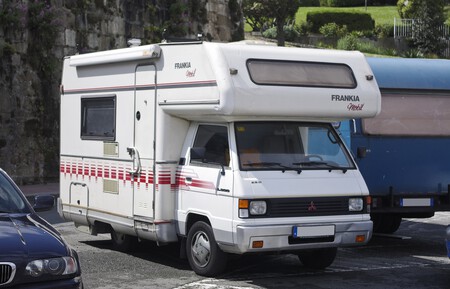
If you consult the online dictionary of the Royal Spanish Academy, you’ll find that a mobile home is defined as a “vehicle with its own engine conditioned to make life in it.” In Spain’s housing crisis of 2025, facing the dual challenges of a shortage of apartments and skyrocketing prices, motorhomes are transforming from mere vehicles into living spaces where tenants sleep, cook, study, and unwind.
Living in Motorhomes: A Necessity for Many
More and more individuals are turning to motorhomes not out of love for travel but out of necessity. Despite holding stable jobs and earning reasonable salaries, many find it increasingly difficult to penetrate a tight real estate market. Consequently, lives that revolve around cramped living spaces in motorhomes become the norm.
Skyrocketing Housing Prices
It’s no secret that housing prices are reaching unprecedented heights. Rent has escalated by an astonishing 96% over the past decade, particularly in tourist-heavy areas like Palma, Tenerife, and Malaga. The grim reality is that many families find themselves allocating an unreasonable portion of their income—sometimes needing years of salary—just to secure a place to live.
The Paradigm Shift: Caravans as Alternative Homes
With the real estate market becoming almost insurmountable, a growing number of people are contemplating the switch from apartments to caravans. While no solid data currently tracks this trend, anecdotal evidence from online searches and platforms like YouTube reveals a burgeoning community of individuals making the transition. This shift is particularly noticeable in tourist-filled regions and metropolitan hubs like Madrid.
Reasons Behind the Shift: Necessity vs. Strategy
Not every motorhome dweller is driven solely by financial constraints; motivations can vary widely. Some embrace the change out of necessity, while others view it as a strategic move. Take Antonio, a 37-year-old civil servant earning about €1,900 monthly who has chosen to live in a motorhome since 2020. His choice provides him greater flexibility for work travel and reduces his monthly costs to below €100.
Begoña, a 61-year-old woman residing in a motorhome in the Balearic Islands, reflects a similar sentiment: “I pay for parking, but it’s infinitely cheaper than renting.” Such statements illustrate a growing sentiment among many who prefer to retain ownership—however modest—of their living space.
The Scale of the Trend
Tracking the exact number of individuals living in motorhomes presents challenges, as census classifications often misalign with actual living situations. However, recent data suggests that approximately 7,200 people are registered as residing in caravans. Local reports have highlighted caravan settlements emerging in Ibiza, where residents frequently opt for mobile living to capitalize on tourist rentals.
Conclusion: A Lifestyle Choice for the Future
As the cost of living skyrocket and conventional housing options fade from reach, motorhome living is emerging as a viable alternative for diverse demographics. Whether born from necessity or a calculated lifestyle choice, the rise of motorhomes reflects a societal shift in how individuals navigate the tremendous pressures of Spain’s housing crisis.
Final Thoughts
The phenomenon of living in a motorhome resonates with many Spanish residents facing an impossible housing market. As the demand for affordable living options continues to grow, it will be interesting to see how this trend evolves and impacts not just the individuals involved but also local policies and real estate markets at large.