
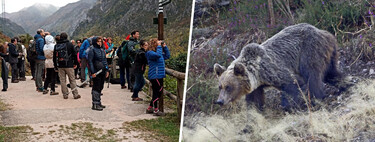
Tuesday was not an easy day in Numata, located in Gunma prefecture, north of Tokyo. Around seven thirty in the evening, the police received reports that a 1.4 meter bear had sneaked into a supermarket, causing chaos in the fish and sushi sections, and injuring two people—one in the parking lot and the other inside the store. This is not an isolated incident; Japan is grappling with a significant problem of bear encounters.
The solution to these escalating encounters has led authorities to rely on experienced hunters, who are becoming increasingly rare. The situation is critical, as encounters between bears and humans typically result in either unsettling scares or injuries, but they can sometimes end tragically. CNS News reports that between April and September, 108 individuals sustained injuries from bear attacks this year, mirroring the annual figures between March 2023 and 2024, during which the government recorded a stunning 219 attacks .
Is it that serious? The media in Japan report that this year’s bear-related fatalities have reached an all-time high as well, making it the deadliest year since records began in 2006. Seven deaths have been confirmed, with both locals and foreign tourists falling victim to bear attacks. Recently, a Spanish tourist was injured while visiting the historic village of Shirakawa-go, a UNESCO World Heritage Site. In places like Shiretoko, which is also a popular tourist destination, trails were closed this past August after another attack.
What is the reason? The issues contributing to this rising trend are multifaceted. Environmental concerns, demographic shifts, and rural depopulation all play a significant role. Japan has experienced a rural exodus, leading to blurred lines between populated areas and forest habitats. Recent statistics also indicate a significant increase in the bear population, with the number of black bears reportedly tripling since 2012. This surge has resulted from both the decline in human inhabitants and the abandonment of agricultural land.

And how to solve it? Recently, Japan has taken significant strides to address this crisis. A month ago, the government revised its wildlife protection and management laws to allow for “emergency hunts” in populated areas. This legislative amendment permits municipalities to commission hunters to deal with dangerous wildlife situations, a departure from previous rules prohibiting the killing of wild animals in public spaces without police authorization.
Now, municipalities can approve hunts for black and brown bears in populated areas if certain conditions are met: it must be an emergency situation, no alternative solutions should exist, and measures must be in place to prevent stray bullets from injuring residents. This bold move aims to ensure that trained hunters engage in bear management. Moreover, Japan is not solely relying on hunting. In locations like Fukushima, noise-emitting devices have been installed along trails to deter bears from approaching human-populated areas. These devices emit unpleasant sounds that increase in intensity as a bear comes closer.
End of the problem? While the measures taken mark a step forward, challenges remain. The number of hunters in Japan is dwindling due to population decline and changing societal norms. An extensive report by the *Mainichi* highlighted a continuous decrease in the number of hunting licenses since the 1970s, indicating that with fewer hunters, the reliance on emergency measures becomes more complicated. In 1976, there were approximately 500,000 hunting licenses; by 2012, this number had plummeted to below 100,000.
Who will shoot the bears? Given the growing concerns regarding safety in residential areas, discussions about who can legally hunt these bears are ongoing. The government has pledged to offer training workshops for hunters to guarantee effective and safe intervention. The new regulations will help prepare hunters to respond adequately, along with creating comprehensive emergency plans.
In summary, while Japan’s approach to bear management reflects an understanding of the complexity of the issue, it raises concerns about long-term solutions to ensure public safety while preserving wildlife. The ongoing bear encounters in regions like Numata are not just a local issue but part of a larger problem that requires collective action and community engagement.
Images | Suzi Kim (Unsplash)