
Background on Lev Tahor in Colombia
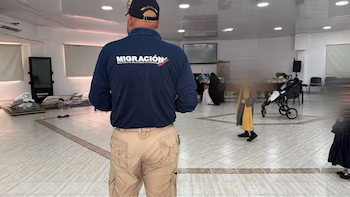
The recent operation in Yarumal, Antioquia, highlighted growing concerns about the Lev Tahor sect, which is notorious for its alleged involvement in human trafficking and the abuse of minors. Seventeen children were rescued during a coordinated effort by Colombian authorities, including Migración Colombia and the Military Forces. Among these children, five were under international alert from Interpol for risks related to trafficking.
The Jewish Community’s Response
The Confederation of Jewish Communities of Colombia has voiced strong opposition to Lev Tahor’s activities, asserting that the sect does not reflect the values or traditions of Judaism. Their statement emphasized that the extremist group’s actions are in stark contrast to Jewish law and culture, expressing support for the operation that led to the rescue of vulnerable minors.
International Context and Previous Incidents
Lev Tahor, which translates to “pure heart” in Hebrew, faced significant scrutiny in various countries. The group previously departed Guatemala following a police raid that resulted in the rescue of 160 children. This re-emergence in Colombia is concerning and indicates a pattern of relocating to evade authorities and continue their controversial practices.
Structure and Practices of Lev Tahor
Life within Lev Tahor is reportedly governed by strict internal rules and a closed community structure. Members typically live in isolation and are kept away from mainstream society, with limited access to technology and strict obedience enforced. Women and children face particularly oppressive conditions, including forced marriages and restricted freedoms.
Government Actions and Future Oversight
Colombian authorities are actively investigating the immigration status of those apprehended during the Yarumal operation. Ongoing scrutiny is warranted to prevent further instances of exploitation, especially among minors, as Lev Tahor seeks unregulated environments to operate.
Conclusion
The Lev Tahor case in Colombia underscores the critical need for vigilance in monitoring groups that exploit the guise of religious freedom to undermine the rights of minors. With the cooperation of local authorities and international monitoring, the safety of vulnerable children must remain a primary concern moving forward.