
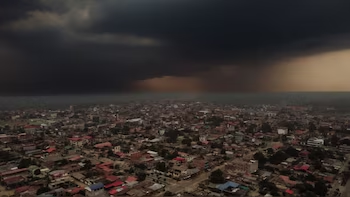
Alert in the Peruvian Jungle: Sixth Cold Brings Intense Rains and Strong Winds
Meteorological Warnings and Impacts
The National Meteorological and Hydrological Service (Senamhi) has announced the onset of the sixth cold front of the year in the Peruvian jungle starting July 12. This weather event brings light to moderate rain and winds reaching up to 50 km/h. According to meteorological warning No. 274, areas like Cusco, Junín, Madre de Dios, Puno, and Ucayali are expected to see significant rainfall, with daily accumulations up to 45 mm in the central jungle and approximately 55 mm in the southern regions.
The cold front will persist until July 13, potentially causing electric shocks and a noticeable decrease in daytime temperatures. The Peruvian Amazon has seen a troubling increase in cold front phenomena, with 26 colds recorded in 2025 alone, a historical high illustrating the rising trend of such weather events.
Public Health Recommendations
In response to the cold front, the National Institute of Civil Defense (Indeci) advises the public to minimize exposure to rapid temperature changes. It is particularly crucial to protect vulnerable groups, including children and the elderly. The suggested precautions include:
– Covering the head, face, and mouth to keep cold air from entering the lungs.
– Wearing warm clothing to mitigate the effects of the cold.
The increase in cold fronts has been primarily linked to the South Pacific Anticyclone, which allows cold Antarctic air to infiltrate the jungle areas. Approximately 1.3 million people live in regions susceptible to these thermal variations.
Heat and Cold: A Contrasting Climate
Interestingly, while the cold front grips parts of the jungle, regions like Ucayali are experiencing some of the hottest weather of the season. Maximum temperatures reached 33°C, with thermal sensations soaring to 44°C in urban centers like Pucallpa.
Néstor Arroyo, director of the Regional Emergency Operations Center (COER), noted that the stark contrast between low temperatures and high heat can significantly affect residents’ health and wellbeing. Areas lacking vegetation saw the highest thermal sensations, emphasizing the importance of maintaining green spaces for temperature moderation.
Conclusion: Preparing for Extreme Weather
Authorities highlight the necessity of hydration, proper sun protection, and broad-brimmed hats to manage heat exposure effectively. The National Forestry and Wildlife Service (Serfor) is diligently monitoring thermal hotspots and potential forest fires. They are collaborating with local municipalities to track these dangerous weather patterns.
With continuous alerts and recommendations, it becomes essential for residents to stay informed and prepared for the dynamic climate challenges in the Peruvian jungle.