
The Implications of NATO’s Increased Defense Spending
In today’s rapidly evolving security landscape, NATO faces unprecedented challenges that require immediate attention and substantial investment. With the ongoing threats posed by Russia, member nations must evaluate their defense strategies and financial commitments seriously. During a recent meeting of NATO Defense Ministers, significant discussions highlighted the need for increased military expenditure, particularly the stipulation of allocating five percent of gross domestic product (GDP) to defense as proposed by Donald Trump.
Trump’s Call for Increased Defense Funding
During his visit to the Oval Office, former President Donald Trump outlined his expectations for NATO allies, emphasizing the necessity of higher defense spending. Germany, under the leadership of Chancellor Merz, aims to comply with this request, acknowledging that a stronger defense posture is essential in light of evolving threats. As the situation in Eastern Europe continues to unravel, fulfilling these requirements is more urgent than ever.
The backdrop of this push for increased funding is the increasing semblance of hostility from Russia. Despite Trump’s unique relationship with Russian President Vladimir Putin, which some perceive as an inclination to downplay the Russian threat, the reality emphasizes the need for a collective NATO response. Member states, including Germany, are realizing that the only effective way to deter aggression is through military readiness.
Germany’s Increased Military Commitments
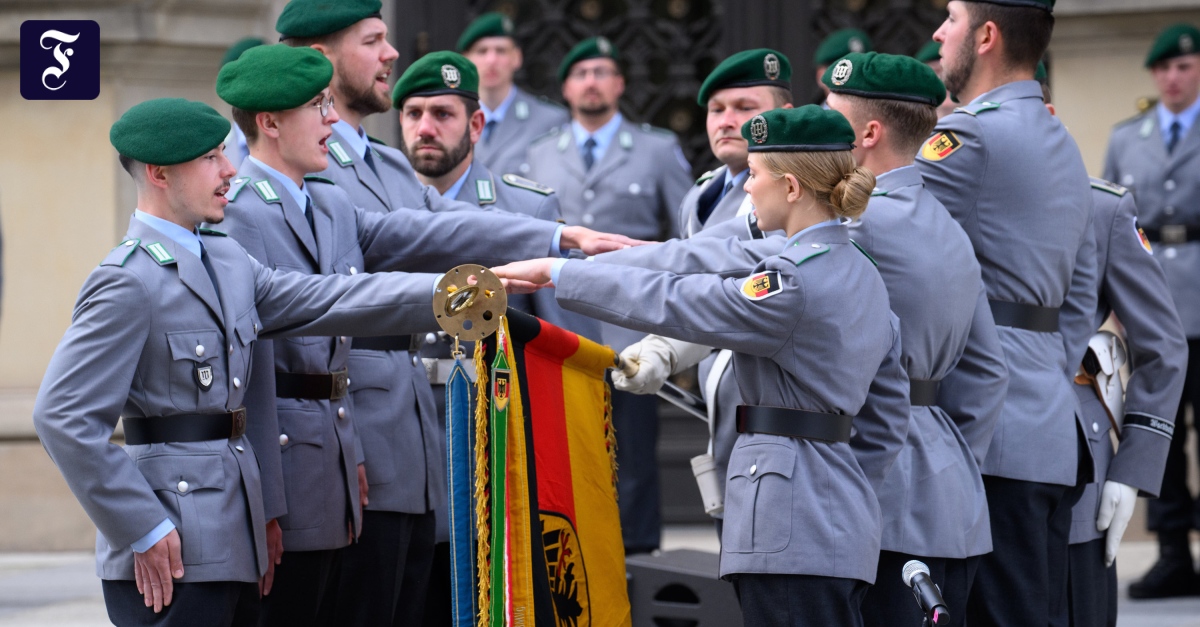
At the NATO meeting, it became evident that Germany would have to undertake significant military reforms, including the establishment of new combat units. According to Defense Minister Pistorius, this initiative will necessitate an increase of up to 60,000 additional personnel in Germany’s active military force, representing a one-third increase in troop strength. Such measures reflect a paradigm shift from a post-Cold War military structure towards a more assertive and responsive defense posture.
The Bundeswehr, Germany’s armed forces, are now tasked with achieving a force level of one quarter of a million troops. This ambitious goal will require immediate actions geared towards reactivating conscription structures that had long been dormant. The current recruitment models dependent solely on voluntary enlistment are inadequate in meeting the escalating demands of national and collective defense.
The Urgency of Restructuring Military Operations
Analysts indicate that the Kremlin’s aggressive military modernization efforts will likely render it capable of launching new attacks within a short timeframe, potentially as little as two years post a ceasefire in Ukraine. As Putin prepares for what some fear may be the next military engagement, the NATO alliance is at a crossroads, challenged to reassess its commitment to collective security and operational readiness.
Indeed, the urgency for NATO countries, particularly Germany, to bolster their military capabilities cannot be overstated. Should the Bundeswehr not promptly adopt necessary recruitment and training strategies, it may jeopardize the defense readiness of both Germany and the wider NATO alliance.
Conclusion
In summary, NATO’s recent discussions underscore the dire necessity for increased defense spending against the backdrop of escalating threats. While Germany grapples with the implications of Trump’s expectations and the realities of a hostile geopolitical landscape, there is a palpable urgency to reform military strategies. The alliance must focus not only on budgetary increases but also on strategic military restructuring to ensure effective deterrence and operational readiness against evolving threats. NATO’s collective security has garnered renewed scrutiny, with the acknowledgment that peace and security will require investment, commitment, and decisive military action.