
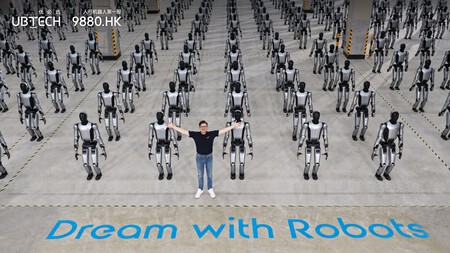
In many regions around the globe, individuals possess unique identifiers such as IDs, vehicles have chassis numbers, and numerous tech devices feature tracking numbers. This system of identification is more than mere bureaucracy; it provides clarity on what items are, their origins, and the history they undergo. China seeks to extend this logic to humanoid robots, with an ambitious initiative that aims to create a comprehensive identity for each machine throughout its lifespan.
Introducing the Humanoid Robot ID System
The initiative was unveiled in the Beijing Economic and Technological Development Zone during a meeting focused on the full life cycle management platform for humanoid robots. According to Xinhua, the new standard introduces a unique 29-character “identity code” for each humanoid unit. Unlike provisional references, these identity codes are meant to be both unique and permanent.
Understanding the Structure of the Identity Code
This identity code is not just a random string of numbers. It is strategically divided into four key sections: two characters represent the country, four identify the manufacturer, six describe the product model and technical specifications, and 17 denote the unique serial number for each unit. This structured format ensures that the code contains meaningful information about where the robot was made, who created it, its technical characteristics, and its individual identity within its model.
Organizing an Industry with Scale in Mind
The ambition behind this unique identity system extends beyond technical naming conventions. The Chinese government aims to address various challenges that accompany the introduction of humanoid robots in diverse environments. Discrepancies in coding practices between companies, difficulties in identity recognition among sectors, and uncertainties regarding accountability can create obstacles. A digital identity aids in monitoring risks and facilitates maintenance, safety, certification, decommissioning, and recycling.
The initiative underscores Beijing’s intention to incorporate humanoids within a robust system of standards, which encompasses not only technological frameworks but also regulation. The HEIS committee, part of the Ministry of Industry and Information Technology, plays a central role in this effort, collaborating with the Electronic Standardization Institute and the Chinese Society of Electronics, along with over 50 other entities. This collaborative approach involves manufacturers, service providers, retailers, users, importers, recyclers, and supervisory bodies.
Remarkable Progress and Future Goals
The statistics illustrate the substantial progress achieved. The platform has so far engaged more than 100 Chinese companies, incorporated over 200 models, and issued identity codes to more than 28,000 humanoid robots. This standard is not merely an isolated concept; it operates within the larger context of China’s thriving industrial landscape, where representatives from cities including Beijing, Wuhan, Chengdu, and Ningbo have signed agreements as part of a network focused on artificial intelligence innovations.
China’s Industrial Ambitions
China is positioning itself as a dominant force in the global robotics market. According to the International Robotics Federation, China is set to become the largest industrial robot market by 2024, accounting for 54% of global deployments, with around 295,000 installations each year. Domestically produced robots are outselling foreign brands, marking a remarkable shift in the market.
Challenges Ahead
While China boasts impressive figures in robotic density, it still trails behind countries like South Korea and Japan in specific metrics. As humanoid robots play an increasingly prominent role in various sectors, it’s essential to distinguish between sheer scale and mature technology deployment. Notably, humanoids remain a small segment of total robotic production and have yet to be widely implemented.
Ultimately, by establishing a robust identification and tracking system, China aims to ensure that its transition from humanoid robot prototypes to real-world applications is not solely dependent on advancements in AI and mechanics, but also on systematic monitoring and regulation throughout each robot’s lifecycle.