
The Evolving Dynamics of China-Iran Relations Amid Regional Tensions
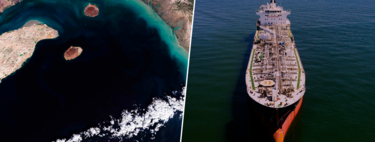
For years, the relationship between China and Iran has been characterized by a steady flow of oil. However, recent tensions between Iran and Israel led to Beijing’s surprising decision to order its ships to turn back in the Ormuz Strait. This seemingly technical maneuver exposed the fragile reality of Chinese energy diplomacy and its limitations in a volatile region.
From Partner to Spectator – The escalating conflict between Iran and Israel , marked by direct confrontations and retaliations, has put China’s alliance with the Islamic Republic to the test. While a truce promoted by Washington was announced, global eyes turned to Beijing, expecting a clear demonstration of support or mediation. To the surprise of many, China adopted a cautious stance, engaging in routine statements at the UN and calling for dialogue, but providing no military support or substantial involvement.
This raised eyebrows, particularly given the significant stakes involved, as 80% to 90% of Iranian oil exports end up in Chinese refineries—amounting to approximately 1.2 million barrels per day . Yet, amid these growing tensions, Beijing maintained a façade of diplomatic silence , a decision that has drawn criticism and speculation about its commitment to Iran.
China’s Non-Intervention Approach – Unlike the United States, which has a robust military presence through bases and alliances in the Middle East, China’s footprint is limited. Its only regional base in Djibouti pales compared to the extensive network wielded by the U.S. Moreover, plans to establish additional bases in Oman or the UAE have faced obstacles, largely due to American pressure.
As highlighted by The Interpreter , China has opted for a non-interventionist policy in the region, driven by pragmatic , transaction-oriented diplomacy that prioritizes commercial interests over ideological alignments. Craig Singleton from the Foundation for Defense of Democracies explains, “China’s footprint in the Gulf is commercial; it is not ready for combat.” Expertise in China-Iran relations points towards evidence that Beijing does not possess the capacity to influence the conflict militarily and may not benefit from a broader regional war.
Pragmatism Over Idealism – Observing this careful balancing act, experts note that the ongoing volatility in the Middle East adversely affects China’s economic interests. Zhu Feng from Nanjing University remarked that such instability directly threatens China’s economic security . Nevertheless, Chinese diplomacy is far from absent. The 2023 agreement between Iran and Saudi Arabia , brokered in Beijing, illustrated an increasing yet calculated diplomatic influence, although it has been tempered by local dynamics and contributions from other regional actors.
Beijing’s energy strategy has been aggressive, taking advantage of the sanctions isolating Iran by maintaining a consistent import of Iranian crude at discounted prices. As reported by journalist Bachar el Halabi , even amid U.S. airstrikes on Iranian nuclear facilities, the flow of oil to China continued unabated, reaching unprecedented levels. However, the relationship remains precarious, with Iranian President Mahmoud Ahmadinejad criticizing the 25-year cooperation agreement due to perceived opacity and distrust. Allegations of potential Chinese military bases in Iran further fuel these suspicions.
Dependency Dilemma – Recent reports indicate that the U.S. has allowed certain ethane cargoes laden at American ports to be shipped to China, provided they do not end up in Iranian territory. This provision underscores not just the complexities of international relations but also illustrates how U.S. entities continue to influence global energy dynamics—even regarding exchanges between key adversaries. For China, the takeaway is clear: its trade with Iran is under close scrutiny, while Iran receives a stark warning that attempts to slip away from isolation will be vigilant.
The Spectator’s Role – Beijing’s ambitions to act as a global referee are contradicted by its current stance as a mere observer. At a recent Defense Summit of the Shanghai Cooperation Organization (SCO) , Chinese Minister Dong Jun emphasized the chaotic global landscape but failed to propose actionable solutions. Although China aimed to project power, it remained reticent in the face of escalating tensions in the Ormuz Strait—a critical transit point for 20% of global crude oil vital to its economy.
As analysts point out, China lacks the appetite for risks associated with military engagement, underscoring its reluctance to compromise its position. Craig Singleton aptly concluded, “When missiles fly, the so-promoted ‘Strategic Association’ of China with Iran reduces to mere communication. Beijing desires Iranian oil and the role of peacekeeper but delegates the burden of hard power to Washington.”
Strategic Patience on Energy Diplomacy – China remains a formidable actor within the global economic structure, yet its energy diplomacy is marked by patience and strategic foresight. Such caution in the Middle East suggests a longer-term vision: China’s desire to observe geopolitical shifts, resist external pressures, and strategize before making decisive interventions.
In regions as precarious as the Middle East, where the stakes are exceptionally high, the prospect of acting too quickly often outweighs the benefits of immediate engagement. Thus, what may appear as silence from Beijing could well be a calculated maneuver—acknowledging that while oil may unite, it also dictates the tempo of a power restrained by neither haste nor caprice, moving slowly yet purposefully in a setting where every step carries significant weight.
Image | Chinese Communist Party and Unsplash