
| IN BRIEF |
|
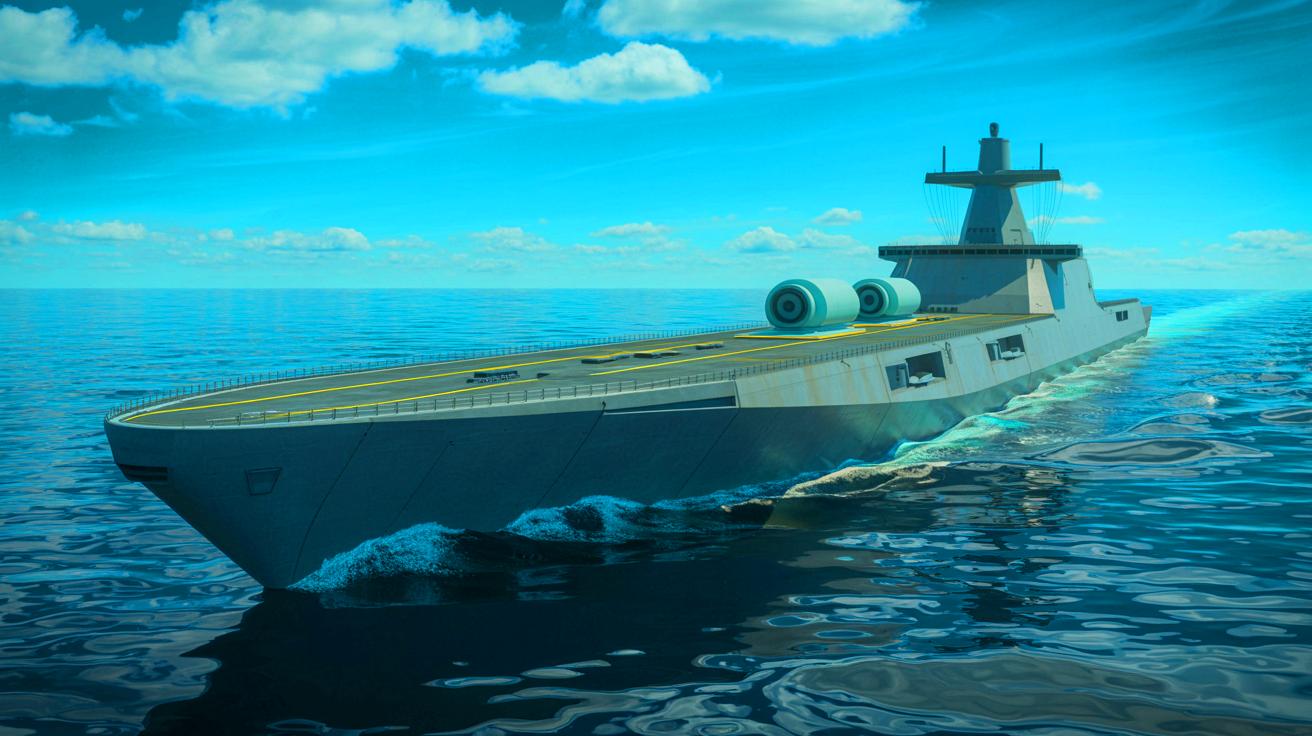
The maritime industry stands on the brink of a significant transformation with the introduction of innovative nuclear technologies . This development, led by a collaboration between Deployable Energy , Seatransport , and Lloyd’s Register , aims to revolutionize maritime transport through ships equipped with micro-modular nuclear reactors . These vessels, promising ten years of autonomy without refueling, could not only transform the sector but also play a crucial role in emergency interventions and energy supply in disaster-stricken areas. This ambitious project has sparked growing interest regarding its implications for the future of navigation and the reduction of polluting emissions.
The Innovation at the Heart of the Project
The project centers around the integration of micro-modular nuclear reactors , a groundbreaking technological advancement promising unprecedented energy autonomy for ships. Each reactor has a capacity of 1 MWe, enabling 73-meter rescue ships to conduct prolonged missions without interruption. By installing between two and five reactors per ship, these vessels can not only remain at sea for extended periods but also provide electricity to distressed coastal areas.
The energy autonomy of these ships is a significant asset for regions struck by crises, where power outages are frequent. The ability to supply reliable and sustainable energy to disaster-stricken areas is crucial, making these ships indispensable for humanitarian missions. Moreover, the use of nuclear energy could substantially reduce greenhouse gas emissions, contributing to a shift towards more sustainable maritime practices.
The Contribution of Partners
Each project partner plays a vital role in its execution. Deployable Energy , based in Houston, supplies its compact and adaptable 1 MW Unity nuclear battery , fitting into a standard 6-meter container. This technology is designed to be more economical and environmentally friendly than traditional diesel solutions, while also offering remarkable flexibility.
Seatransport , an Australian company specializing in ship design, contributes its expertise by providing the detailed plans for the rescue vessel. With over forty years of experience, Seatransport ensures that the ships designed are at the cutting edge of technology and meet the complex requirements of this ambitious project. Their engineering expertise is critical to safely and effectively integrating the nuclear reactors.
The Role of Lloyd’s Register in Maritime Innovation
Lloyd’s Register , a leading player in maritime and nuclear fields, plays a crucial role in establishing new safety and regulatory standards for nuclear ships. Their 2024 report highlighted the potential of nuclear energy to transform maritime transport, collaborating with major companies such as Core Power and AP Moller-Maersk .
By utilizing Microsoft’s Open AI capabilities within Azure, Lloyd’s Register aims to enhance the regulatory process, ensuring that nuclear technologies are employed safely and responsibly. This innovative approach reflects their commitment to integrating cutting-edge technologies to ensure the safety and efficiency of maritime operations. They hope these new standards will encourage the broader adoption of nuclear energy in the maritime sector.
Future Perspectives and Implications
The future prospects offered by these nuclear ships are vast, with the potential to reduce dependence on fossil fuels and improve the operational efficiency of vessels. This technology could significantly extend the lifespan of ships and offer a sustainable solution in the face of current environmental challenges. However, its implementation necessitates overcoming significant safety and regulatory challenges.
Project partners must work closely to ensure compliance with all safety standards for both crews and the environment. As the project progresses, a crucial question arises: how can these nuclear advancements be integrated safely and effectively into the maritime sector to address the growing needs for sustainability and energy security?
The author relied on artificial intelligence to enrich this article.
Enjoyed it? 4.6/5 (21)