
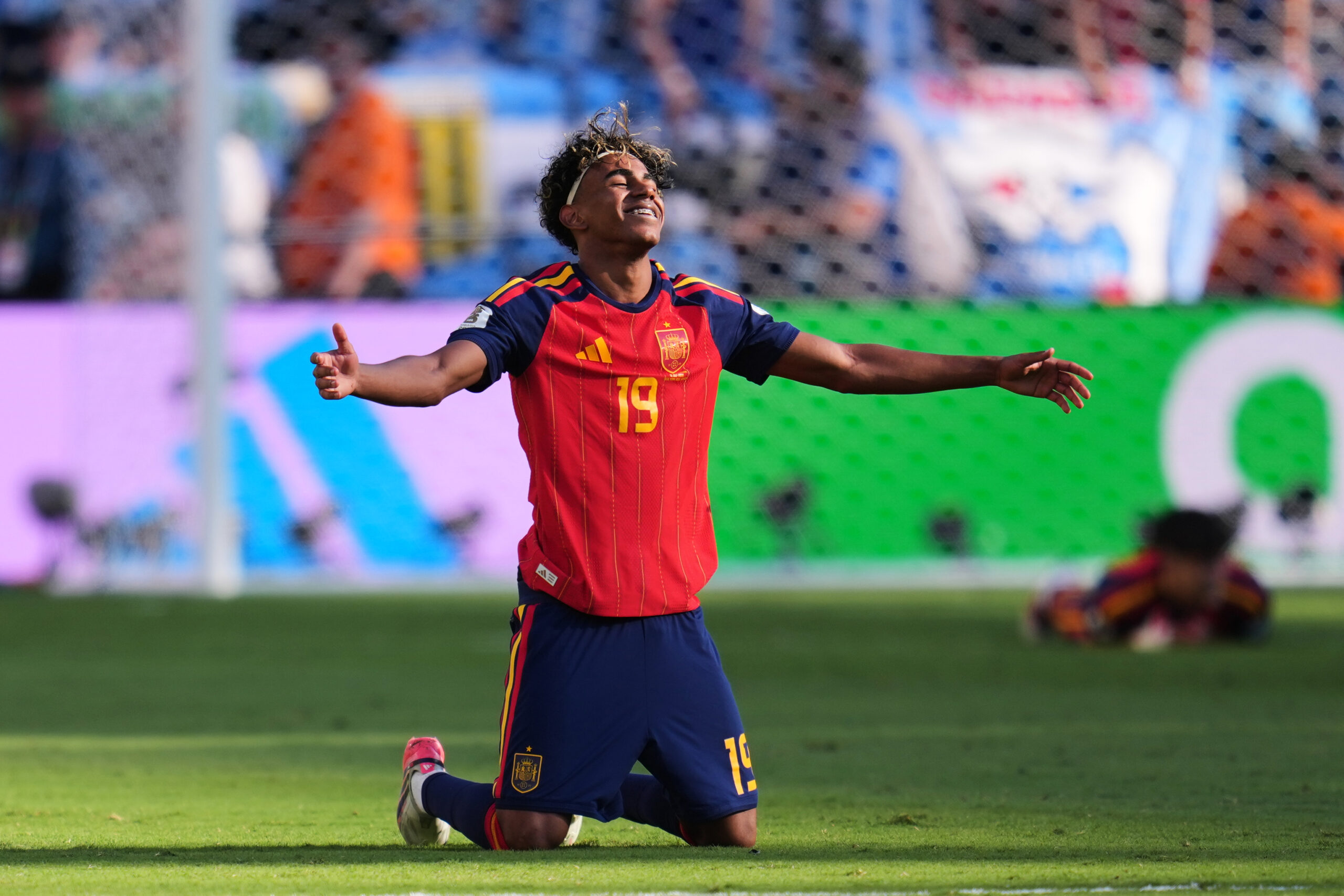
Champions Forged Like the Earth, Graceful as Wings
The Essence of Spanish Diversity in Football
In the realm of football, Spain’s recent triumphs are emblematic of its rich cultural diversity. Players embody the essence of their regions: Rodri represents the soul of Castile, Cubarsí embodies Catalonia’s steadfast spirit, Ferran Torres radiates the joy of Valencia, Unai Simón stands strong like the Basque people, and Pedro Porro brings the hearty essence of Extremadura. This multitude of backgrounds showcases how the Spanish national team is not just a collection of players, but a representation of the nation’s identity.
Echoes of Historical Moments
Reflecting on the 2010 World Cup victory in Johannesburg, one cannot help but draw parallels to the current generation. Just as then, the spirit of Ferran Torres echoed the legendary Iniesta, leading the charge against a proud Argentine team featuring Messi, often regarded as football’s Achilles. This encounter, set in New York, symbolizes a modern-day epic, reminiscent of ancient battles fought for glory.
Poetry in Unity Amidst Struggle
The poetry of Miguel Hernández resonates amidst these victories, contrasting the tragic backdrop of Spain’s Civil War. While his verses initially sought unity, they now seem a poignant reminder of ongoing challenges. Our national tragedy morphs into a societal reflection: unity can feel elusive, particularly amidst political strife. However, the beautiful game liberates us from these fears, allowing players to shine “forged like the earth and graceful as wings.”
Uniting the Nation
Just as in 2010, the current Spanish squad has brought a surge of joy to streets and plazas across the country, painting smiles on faces and creating a canvas of innocence. These moments remind us of what can be achieved when Spaniards unite, despite differing backgrounds and opinions.
Historical Complications
Between the victories of 2010 and the present, Spain has faced significant challenges to its unity, particularly the unilateral declaration of independence in Catalonia. While political leaders often share the blame for discord, the collective responsibility lies with society itself—a realization that is crucial moving forward.
Transformation and Diversity in Representation
The evolution of the Spanish team reflects broader social changes within the country. In 2010, Spain had no players of African descent. However, today’s roster proudly includes Lamine Yamal, a young talent who is a living testament to Spain’s immigrant narrative. Alongside players like Nico Williams, who played a vital role in the final, diversity is not just welcomed but celebrated.
The Role of Homecoming in Football
The champion squad consists of those who ventured abroad to carve their own paths, such as Cucurella, Pedro Porro, Dani Olmo, and Ferran Torres, who eventually returned to enrich Spanish football. Dominated largely by players from FC Barcelona, the current team is less beholden to the traditional power structures that once dictated Spanish football.
The Legacy of La Masía
La Masía, Barcelona’s esteemed academy, has churned out remarkable talents that shaped the final—most notably, Messi and Yamal. The story of Messi, who could have represented Spain but chose to dream in the colors of Argentina, adds another layer to this narrative. Both Messi and Yamal symbolize the convergence of dreams and reality in football.
Conclusion: The Future of Spanish Football
Spain’s football legacy is a ballad of identity, unity, and continual evolution. The graceful skills and teamwork witnessed on the pitch foster a collective spirit capable of overcoming political and social divides. As the ball continues to roll, Spain stands as a testament to the beauty of football as a unifying force.