
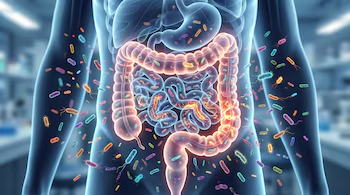
Understanding the Five Dimensions of a Healthy Intestine
Billions of microorganisms reside in the human intestine, playing a crucial role in regulating everything from immune responses to mood. Recent studies indicate that a balanced microbiome is associated with a significantly lower risk of chronic diseases. The International Scientific Association of Probiotics and Prebiotics (ISAPP) released guidelines that classify gut health into five key dimensions: digestion and absorption, gut microbiome, intestinal barrier, immunity, and general well-being.
1. Digestion and Absorption
Digestion is the process through which our bodies break down food into nutrients. A healthy intestine is essential for optimal digestion and absorption. Research indicates that effective gastrointestinal function means food is adequately broken down, absorbed, and utilized. If this process is disrupted, it can lead to various gastrointestinal conditions, impacting overall health.
2. Gut Microbiome
The gut microbiome consists of trillions of bacteria that inhabit the intestine. A balanced microbiome is vital for maintaining health, influencing everything from metabolism to immunity. A 2026 study from researchers at Cambridge University identified a specific bacteria, CAG-170, found in higher levels in healthy individuals. Low levels of this bacterium correlate with conditions like irritable bowel syndrome and obesity, underscoring the importance of microbiome balance.
3. Intestinal Barrier
The intestinal barrier acts as the first line of defense against pathogens. It prevents harmful substances from entering the bloodstream while allowing the absorption of nutrients. A robust intestinal barrier supports healthy digestion and absorption, while a compromised barrier can lead to conditions like leaky gut syndrome, which is linked to systemic inflammation and autoimmune diseases.
4. Immunity
A healthy intestine significantly contributes to immune function. The gut is the largest immune organ in the body, housing a large portion of the immune cells. An imbalance in the gut microbiome can weaken the immune response, making individuals more susceptible to infections and inflammation. Researchers emphasize that an optimal gut microbiome enhances immunity, thus playing a pivotal role in overall health.
5. General Well-Being
The general well-being dimension refers to the overall quality of life affected by intestinal health. This includes mental health, mood regulation, and the absence of gastrointestinal symptoms. Existing research highlights the connection between gut health and psychological well-being, suggesting that a thriving microbiome can positively influence mental health through mechanisms like the microbiota-gut-brain axis.
Conclusion
The interplay between these five dimensions is complex yet vital for maintaining a healthy intestine. Emphasizing a balanced diet rich in prebiotics and probiotics can bolster gut health by promoting microbial diversity and stability. As research continues to unveil the intricacies of the gut and its impact on health, adopting lifestyle changes that foster intestinal well-being is essential for overall health. Regular physical activity, stress management, adequate hydration, and quality sleep are additional factors contributing to a healthy gut, ultimately enhancing our quality of life.