

Can a food that does not contain meat be called a “hamburger”? Is a tofu sausage truly a “sausage”? Such questions are at the heart of a heated debate surrounding the langua ge and nomenclature of food products in Europe. The European Parliament has recently weighed in on this issue, suggesting a clear separation between plant-based foods and traditional meat terms, as evidenced by an initiative that could redefine how we label and market food products.
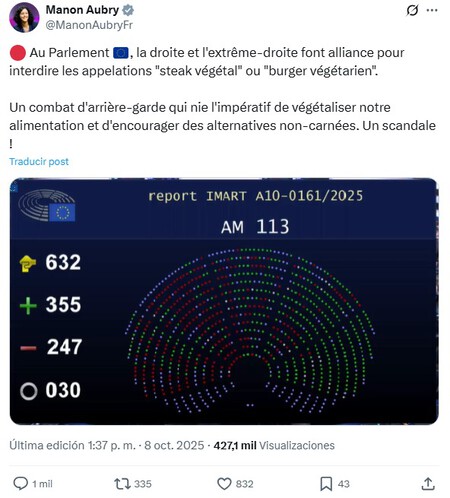
This discussion, however, transcends mere semantics. It reveals the intricate relationship between consumer perception , marketing, and the rights of producers. As more individuals opt for vegetarian and vegan diets, the demand for plant-based alternatives has surged. Yet, whether these alternatives can retain familiar names or must adopt more distinct classifications is contentious. The European Parliament’s 355 votes in favor of prohibiting traditional meat terms on non-meat products demonstrates their growing commitment to uphold these distinctions.
The vote, with 355 in favor and 247 against, marks a significant step in defining the terminology used in the food industry. Terms like “hamburger”, “schnitzel”, “steak”, or “sausage” cannot be applied to products that do not consist of any meat. This resolution pushes for greater clarity in labeling, thus ensuring consumers are fully informed about what they are buying.
According to Celine Imart , the MEP from France who spearheaded the initiative, “A steak, a schnitzel, or a sausage are products of our livestock, not laboratory art or plant products.” This sentiment resonates with proponents of the resolution who advocate for the rights and recognition of traditional farmers. Companies producing plant-based alternatives may find that retaining these terms gives them a competitive edge when vying for shelf space in supermarkets.
The Grand Debate: What to Call Plant-Based Foods?
The recent vote was influenced heavily by lobbying from livestock and agricultural sectors, while left-wing parties expressed their strong disapproval. Critics argue that this push for separation could hurt new businesses trying to enter the market for meat alternatives. It raises the question: Are consumers genuinely confused about what constitutes a plant-based food product, or is this a bid to protect conventional meat producers?
The implications of the parliament’s decision do not end with this vote. For the new labeling rules to be enacted, the European Commission and the governments of the 27 member countries need to endorse this initiative. As the negotiation process begins, the outcome remains uncertain. The complexity lies in balancing the traditional sectors’ interests with the growing demand for sustainable and varied food options.
Furthermore, it’s important to note that opposition to these changes comes not only from political factions but from large retailers and food companies as well. A group of companies—including prominent chains like Aldi and Lidl —argues in an open letter that the labeling changes would deprive consumers of the necessary clarity needed to make informed choices, effectively hindering a competitive market.
Looking Forward
The path toward these proposed changes is fraught with challenges. There’s an ever-evolving landscape in consumer preferences, with the demand for vegan and vegetarian foods rising sharply. However, traditional meat producers remain apprehensive and have rallied against this initiative. As the debate unfolds, we may witness a clash between new dietary habits and established agricultural practices.
The European Parliament’s recent vote, while significant, is merely a chapter in a much broader narrative about how we categorize and consume our food. The need for clarity in labeling transcends beyond bureaucratic red tape; it embodies the ongoing struggle between tradition and innovation in our culinary landscape.
Ultimately, this matter may hinge on public perception and consumer values, as well as evolving agricultural and environmental paradigms. As we continue to navigate these complexities, it remains crucial to prioritize transparency, education, and informed decision-making within the food industry.