
The Growing Need for Military Involvement in Firefighting Efforts
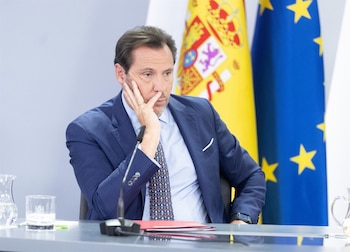
The ongoing issues surrounding wildfires in Spain have garnered significant attention in recent months, particularly as the summer months yield dry and risky conditions for forest fires. The Minister of Transport and Sustainable Mobility, Óscar Puente , recently addressed concerns raised by the leader of the People’s Party (PP) , Alberto Núñez Feijóo , regarding the deployment of military resources in combating these fires.
Feijóo has repeatedly called for the military’s involvement , suggesting that units from the armed forces could play a critical role in organizing firefighting efforts with the necessary heavy machinery. As he stated, the military possesses specialized equipment such as Bulldozer D7 and D5 , and motoniveladores that are instrumental in creating firewalls . These barriers serve to protect communities or provide strategic points from which firefighters can engage in direct firefighting activities. The PP leader emphasized that while the military might not be able to attack fires directly, their logistical capabilities make them a vital asset.
At the heart of this exchange lies a broader argument about the role of the military in civil emergencies . Feijóo defended his stance by pointing out that the armed forces are equipped with various airborne assets, including helicopters for transporting civil personnel and equipment swiftly between regions. Such mobility is crucial in emergencies where timing can significantly affect outcomes. He argued that military resources could enhance the efficiency of the firefighting efforts particularly in remote or hard-to-reach areas.
In response, Minister Puente took to social media to air his defense. He categorized Feijóo’s assertions as political maneuvering rather than a genuine concern for firefighting efficacy. “All this asks is already being done. But he does not care,” he conveyed in a tweet that seemed to dismiss the need for further military intervention as suggested by the opposition leader. He further shared images showing the military’s current involvement, highlighting their commitment to contribute to the Unidad Militar de Emergencias (UME), which coordinates military resources in emergency situations.
Furthermore, Puente reiterated that the military’s involvement in firefighting scenarios is already active, referencing ongoing operations initiated in the early hours of the Saturday following Feijóo’s statements. The Guzmán El Bueno Brigade has been transferring personnel to León , reinforcing the effort against persistent fires across the Spanish landscapes . This timely response showcases the mobilization of military units, a point likely aimed at countering the narrative put forth by Feijóo.
The debate surrounding the role of military support in firefighting is not just relevant for Spain but resonates with other countries grappling with similar challenges. As wildfires become increasingly severe due to climate change , discussions about resource allocation, management strategies, and the integration of military capabilities into civil disaster responses are imperative. Regions across the world are experiencing the magnitude of this problem, forcing policymakers to reconsider how best to utilize all resources at their disposal for public safety.
Looking towards the future, cooperation between government bodies and military units may become essential as the incidence of wildfires becomes more pronounced. While there may be disagreements in political commentary about how this cooperation should manifest, what remains crucial is the protection of local communities and natural resources, which remains a common goal shared across the spectrum of differing political views.
In conclusion, the interaction between political leaders regarding military involvement in firefighting underscores the complexities of emergency management in times of crisis. Whether through logistical support or direct action, finding the most effective solution will require collaboration and open dialogue between all parties involved. As fires continue to pose a significant threat, prioritizing effective strategies and resource allocation will be paramount for both government officials and the military alike.