
The Boeing 787 Dreamliner: Challenges in Production and Delivery
The Boeing 787 Dreamliner is not just any aircraft; it symbolizes a new era of efficiency and long-haul versatility in aviation. Since its first delivery to All Nippon Airways in September 2011, the Dreamliner has made significant strides in the aviation market. However, Boeing faces significant challenges that threaten its ability to manufacture and deliver the aircraft at the pace needed to meet rising demand.
Production Goals and Existing Delays
Boeing aims to increase the production of the 787 from eight to ten aircraft per month at its North Charleston plant. CEO Kelly Ortberg recently highlighted this goal, yet two critical issues impede this expansion:
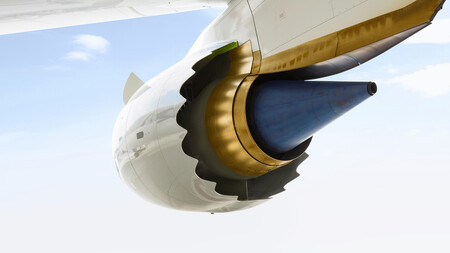
- Engine Delivery Delays: The availability of GEnx engines from GE Aerospace is lagging, impeding assembly timelines.
- Certification Delays: The certification of business class seats with doors is also causing hold-ups in final deliveries.
The Importance of Timely Delivery
This situation highlights a crucial point: Boeing needs to prove it can deliver the Dreamliner as much as it can manufacture it. The company is haunted by the aftermath of the 737 MAX crises, which brought scrutiny over quality control processes and manufacturing culture. Recent investigations have revealed systemic failures that Boeing must overcome to rebuild trust with regulators and clients alike.
Background of Quality Control Issues
The ongoing issues stem from Boeing’s past experiences. In 2020, the company paused deliveries of the 787 due to manufacturing-related quality problems, resulting in delays that extended nearly two years and incurred over $5.8 billion in rework. These financial repercussions serve as a reminder of the importance of quality and efficiency in production.
Jammed Certification: A Hidden Bottleneck
An often-overlooked aspect of production delays involves the certification of certain interior features. Business suites that require more complex certifications cannot be delivered until all documentation is fully approved. As a result, some 787 units have already been built but remain grounded, unable to satisfy customer demand.
The Impact of the 777X Delays
Adding further pressure, Boeing’s next wide-body aircraft, the 777X, has experienced its own delays. Once scheduled to enter commercial service, its timeline has now been pushed back to 2027 due to regulatory challenges. This postponement not only affects Boeing’s revenue but also creates additional strain as it attempts to satisfy existing clients.
Boeing’s Competitive Landscape
While Boeing strives to ramp up deliveries and improve its standing, the company faces stiff competition from Airbus, which reported 793 aircraft deliveries, outpacing Boeing’s performance. For Boeing, the 787 Dreamliner is a crucial asset in diminishing this competitive pressure. Its success hinges not just on demand but on the company’s ability to convert that demand into consistent, timely deliveries.
In summary, for Boeing, the 787 Dreamliner is more than a product; it’s a critical part of the company’s future. Ensuring smooth production and reliable delivery will define its standing in the competitive aerospace market.