
Recent figures from the French automobile market reveal a troubling trend in vehicle registrations for May 2025, particularly for electric vehicles. A deeper look is essential to fully understand the implications of these statistics.
The French automotive market is witnessing a downturn . In May, all indicators for vehicle registrations turned red, and electric cars were no exception. There’s no point in blaming the numerous public holidays in May; the comparison is made to the previous year, which faced similar circumstances. Are certain manufacturers experiencing an even more alarming reality ?
Behind some seemingly positive results can be hidden manipulations by manufacturers: the overarching practice known as ” tactical registration .” This involves artificially inflating sales figures by registering vehicles that are not actually sold to end customers, but rather, to dealerships or rental companies . Sadly, this has significant consequences.
Large Stocks of Citroën Electric Vehicles at Rental Companies
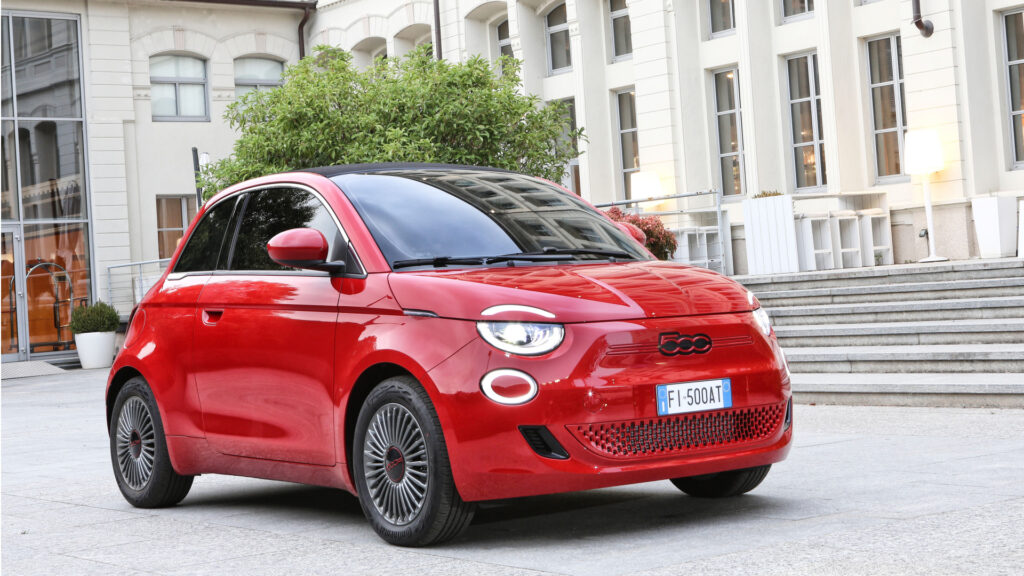
We shouldn’t deceive ourselves: all manufacturers resort to such tactics, albeit to various extents. Stellantis, in particular, is known for engaging in this practice more than others. Often, these manipulations go unnoticed, but in some instances, the figures are so implausible that they catch one’s attention. This is particularly true in a somewhat dreary May, where even the iconic R5 saw its registrations decline. Yet, the Citroën ë-C3 remains a strong contender, leading the electric chart with 1,500 registered units.
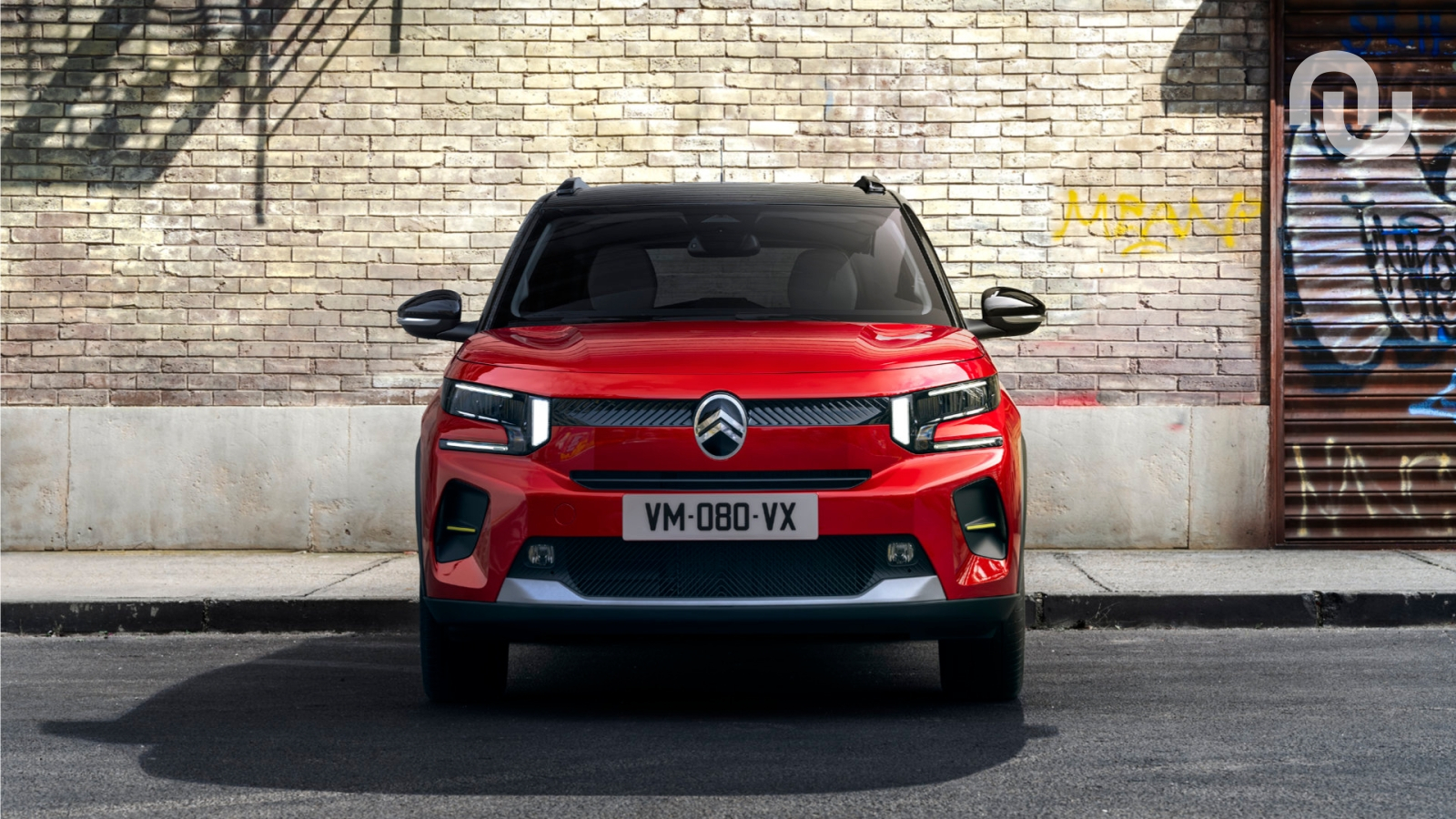
The magic recipe ? Of the 1,037 Citroën ë-C3 units registered (69% of the month’s total), a staggering 69% are attributed to rental companies, with only 174 registrations genuinely aimed at private customers. The rental firms appear to be gearing up for the peak summer travel season, having made significant bulk purchases across various models, including the Renault Clio , MG3 , and Citroën C3 . This effectively masks the bleak situation.
The same applies to the newly launched Citroën ë-C3 Aircross , which secured the fourth position with 920 registrations, of which an astonishing 86% were directed towards rental companies. It seems they received their allocations even before individual consumers.
The Boomerang Effect
Rental companies often boost the used car market with nearly new models. Typically, these vehicles are retained for only a few weeks or months, rarely exceeding a year, benefiting from direct agreements with manufacturers. While this strategy is generally advantageous for the automotive ecosystem, there is a downside. When a considerable number of rentals hit the market simultaneously, it leads to a surge in available vehicles, which can subsequently lower their resale values .
When thousands of units of a single model flood the used car market, if demand does not keep pace, the vehicle’s value can take a significant hit. This presents a risk-laden gamble . The Citroën ë-C3 might serve as a case study; with high volumes directed toward rental companies and additional units anticipated to return from social leasing arrangements, this model is likely to see significant depreciation in the used car market.
Significant Registrations with Dealerships
Apart from launching new vehicles, strategic registrations at dealerships can be a double-edged sword . They often delight buyers looking for discounted “zero-mileage” vehicles or demonstration models (with slightly higher mileage). However, if overdone, this could financially harm the dealerships themselves.
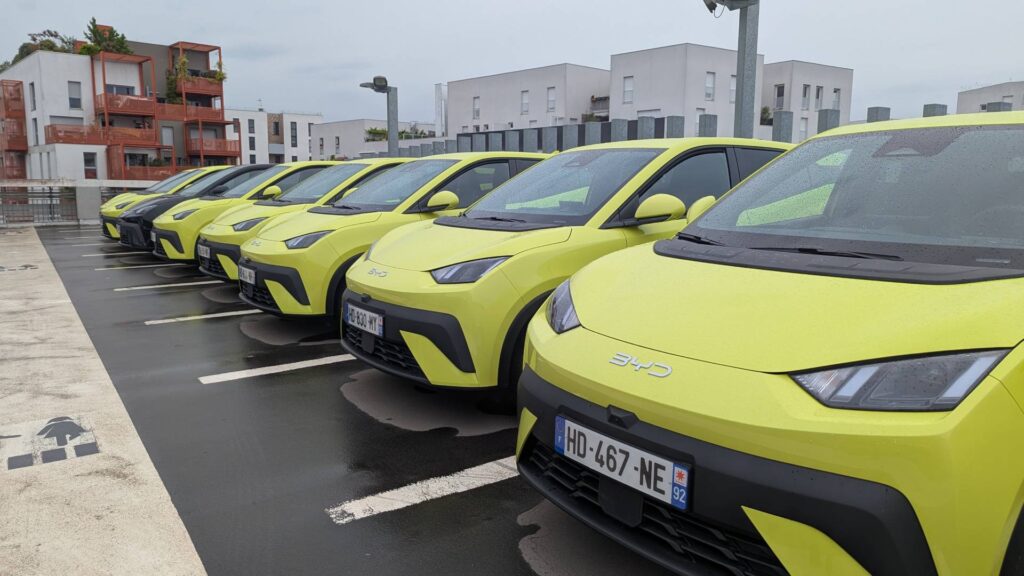
While Tesla usually allows competitors to engage in such practices, during May, out of five Model X registrations, three were designated for dealerships. This proves that nothing is set in stone. However, it is critical to note that the Chinese competitor BYD made a striking entry into the market with its Dolphin Surf , landing in 13th place in May with 414 registrations, all allocated to dealerships. Given that sales only began at the end of May, it was clear that these initial registrations were not intended for customers.
This approach differs from other manufacturers like Abarth, Smart, and Vinfast, who struggle to sell their new electric vehicles without resorting to such tactics. It’s a tricky balance, and the consequences of these registration strategies will surely unfold in the coming months.
If you found this editorial insightful, consider subscribing to the Watt Else newsletter for more updates and analyses on the automotive landscape.
General News – 2