
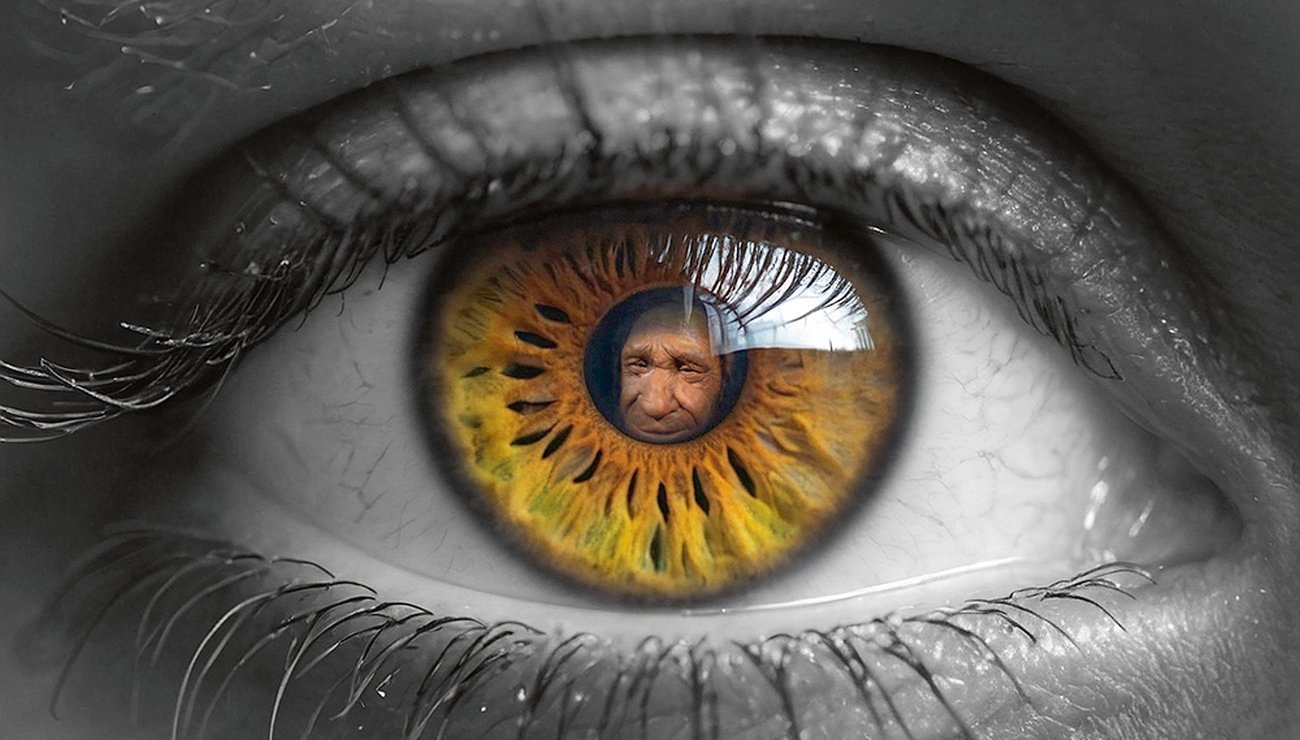
The Legacy of Neanderthal DNA: Impacts on Human Cognition and Health
When we think about Neanderthals, it’s easy to picture them as primitive beings. However, recent advancements in paleogenomics have unveiled a more complex story. With the revelation that modern humans have inherited a small fraction of Neanderthal DNA, scientists are beginning to explore the implications of this genetic legacy on our health, cognition, and even neurological conditions.
The Initial Misconception
For many years, researchers viewed Neanderthals as brutish creatures lacking the mental faculties of Homo sapiens. Early theories suggested that their alleged cognitive deficiencies led to their extinction. However, this narrative has shifted dramatically. New evidence indicates that Neanderthals shared various advanced cognitive abilities with us, such as crafting sophisticated tools, using medicinal plants, and engaging in symbolic communication.
Genetic Intermingling
The turning point came in 2010 with the emergence of Neanderthal DNA sequencing. Discoveries made it clear that Neanderthals and Homo sapiens interbred, resulting in modern non-African humans carrying approximately 1-3% Neanderthal DNA. This genetic exchange has opened up avenues for research into how this ancient DNA influences modern health and cognition.
Health Implications of Neanderthal DNA
Recent studies highlight that certain genetic variants inherited from Neanderthals may increase susceptibility to autoimmune diseases like lupus and Crohn’s disease. Other variants have been linked to a heightened risk of severe COVID-19 outcomes and even conditions like asthma and allergies. Researchers are now exploring whether this ancient DNA can affect our immune systems in ways previously unrecognized.
Influence on Physical Characteristics
Neanderthal DNA doesn’t just impact disease; it also influences physical traits. It is suggested that it plays a role in skin and hair color, blood coagulation, and even how our cells respond to environmental stressors such as radiation. Some genetic variants derived from Neanderthals have been correlated with a higher risk for obesity and diabetes as well.
Neanderthals and Cognitive Development
With the serious implications of Neanderthal DNA on health established, the next layer of research focuses on its influence on brain development and cognition. A major area of inquiry is whether Neanderthal DNA could have a lasting effect on our brains’ architecture and function.
Brain Structure and Function
Neurological studies have shown intriguing associations between higher percentages of Neanderthal DNA and certain brain structures. For instance, researchers have found that individuals with increased Neanderthal DNA may exhibit a slightly elongated skull shape, reminiscent of Neanderthals. Such morphological characteristics could indicate different neural wiring or processing capabilities.
Social Cognition: A Mixed Bag
Examination of specific brain regions has revealed that individuals with higher Neanderthal DNA exhibit differences in social cognition and visual processing. For example, those with more Neanderthal traits tend to have better visual connectivity while displaying lower connectivity in circuits related to social cognition. This suggests a complex interplay between perception and social abilities that may have evolutionary implications.
The Role of the Cerebellum
The cerebellum, often overlooked in discussions about cognitive function, could also play a crucial role due to its involvement in motor memory, emotional regulation, and social processing. Notably, the size of the cerebellum in Neanderthals was smaller compared to early Homo sapiens. Thus, inherited traits from Neanderthals might influence both intellectual and emotional capacities in modern humans.
Genetic Variants and Neurodevelopmental Disorders
As we dive deeper into genetics, researchers are now investigating a potential link between Neanderthal ancestry and neurodevelopmental disorders like autism. The exploration of this correlation stems from insights suggesting that specific Neanderthal genetic variants could affect brain connectivity, impacting conditions seen in some autistic individuals.
Neanderthal Variants and Autism
The hypothesis gained momentum when scientists observed that groups possessing higher amounts of Neanderthal DNA shared similarities in cognitive pathways with typical autism profiles. It raises the question: Could Neanderthal genetic contributions have a role in shaping traits associated with autism?
An Overarching Influence
The complexity of genetics means that no single variant can be solely held responsible for such traits. Instead, it is likely a combination of genetic influences, including rare Neanderthal DNA variants, that could contribute to variability in neurodevelopment and intellectual capacities.
Conclusion: A Genetic Mosaic
Recent studies suggest that the remnants of Neanderthal DNA present in modern humans can significantly affect various aspects of physiology and cognition. The intermingling of our species’ genetic material has led to both positive adaptations and vulnerabilities. As scientists continue to decode the intricacies of our genetic makeup, it becomes increasingly clear that understanding this hybrid legacy is crucial. Unraveling how Neanderthal DNA has intertwined with our genetics not only enhances our grasp on human evolution but may also provide insights into developing personalized medicine tailored to our unique genetic backgrounds.
Lors de la découverte de Néandertal il y a quelque 170 ans, sa lignée est apparue très différente de la nôtre. Les chercheurs ont alors pensé faussement que les Néandertaliens étaient des brutes primitives à peine plus intelligentes que des singes, de sorte que l’absence chez eux de cognition avancée avait entraîné leur extinction. Depuis, les indices se sont accumulés, qui suggèrent qu’ils avaient de nombreuses capacités cognitives en commun avec Homo sapiens, que l’on croyait auparavant propres à notre seule espèce : ils fabriquaient des outils complexes, produisaient de la farine et autres denrées, soignaient leurs maladies à l’aide de plantes, disposaient d’un langage symbolique et pratiquaient des rites funéraires.