
Cooking Paella at High Altitudes: A Lesson from Astronomers
If you’re keen on cooking paella, the best spot might not just be any restaurant but the picturesque coastline. While savoring rice at a beach bar with the sea as your backdrop is undeniably delightful, there’s a scientific reason this terrain is favored: it cooks better. This unique insight comes from the astronomers at the Calar Alto Observatory in Almería, who have an interesting anecdote to share.
A Culinary Struggle at 2,168 Meters
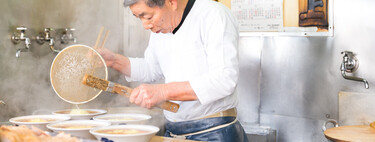
Years ago, astronomers at Calar Alto enjoyed meals prepared by a renowned chef from a small town nearby, celebrated for his rice dishes. However, when it came to the observatory, the paellas fell short of expectations. The chef was perplexed; despite his expertise, the rice never achieved the desired taste or texture.
In a conversation with Ana Guijarro, one of the astronomers, it became clear that the culinary failure was not the chef’s fault. He learned that the high altitude of the observatory—2,168 meters above sea level—was the main obstacle affecting his cooking.
The Science of Cooking at Altitude
The physics involved in cooking at high altitudes is intriguing. As you ascend, the atmospheric pressure diminishes. To visualize this, think of a less dense air column above you, resulting in a lower pressure than at sea level. This pressure directly impacts the boiling point of liquids.
At sea level, water boils at 100ºC, but at an altitude of 2,168 meters, that temperature drops to approximately 92.6ºC. This reduced boiling point has significant implications for cooking methods.
Why Rice Needs the Right Temperature
For rice to cook optimally, the starch in the grains must hydrate and gelatinize properly. This process requires sufficient heat; however, when water boils at a lower temperature, all energy is diverted to changing the water from liquid to gas, preventing adequate heating of the rice. Consequently, the grains never cook fully and fail to develop the rich flavor desired.
Tricks from High-Altitude Cookery
Interestingly, high-altitude cooks, such as those in Andean countries, have adapted to these conditions using a clever tool: the pressure cooker. This device artificially raises the pressure, allowing the boiling point of water to increase, enabling food to cook thoroughly. This technique is invaluable not just for rice, but also for various stews and other dishes.
Impact on Other Beverages
It’s worth noting that high-altitude cooking challenges extend beyond rice. For instance, Ana Guijarro explains that teas and infusions also lose flavor when brewed at higher altitudes. This is because the lower boiling point affects the extraction of flavors, leading to disappointing results. Cooks—like the ones at the observatory—often recognize the challenges posed by elevation.
Conclusion: Embrace the Coast for Perfect Paella
So next time you’re enjoying a traditional paella by the beach, remember that you’re experiencing the dish at its best. The science behind cooking at sea level contributes significantly to the flavors we love. Understanding these principles not only enhances your appreciation of culinary arts but also makes every bite more enjoyable!
For more insights, follow the culinary explorations of the astronomers and their quest for the perfect rice!