
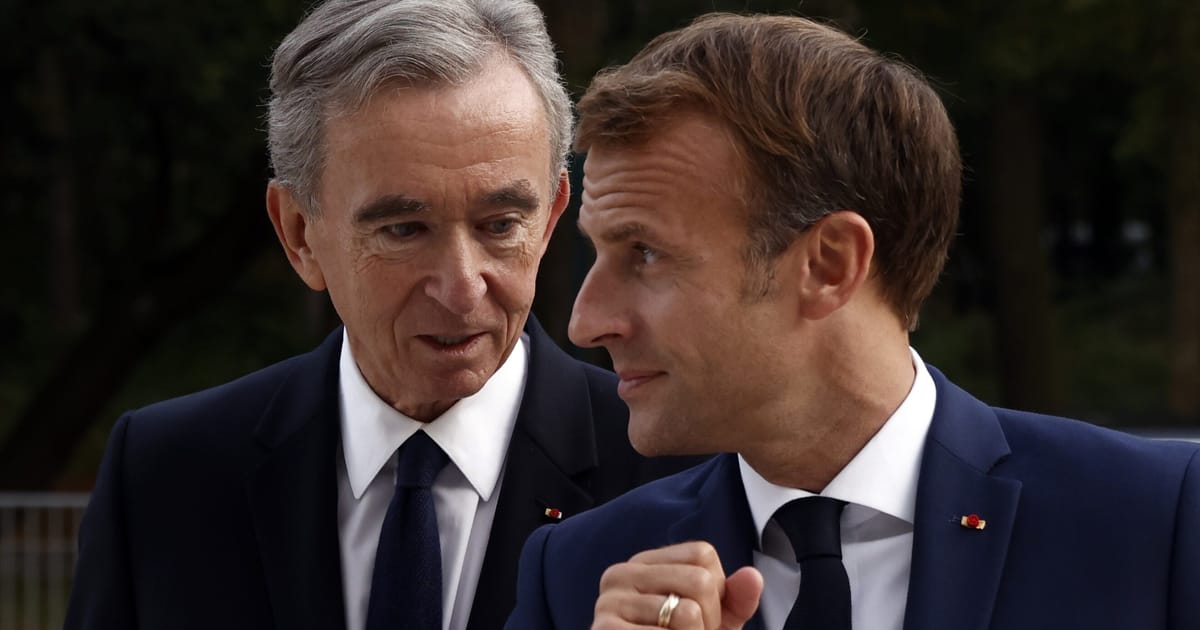
The Global Expansion of LVMH Under Bernard Arnault
LVMH, the world’s leading luxury goods conglomerate, has been a significant player in the global market for several decades. Bernard Arnault , the company’s chairman and CEO, has continuously pushed for international expansion , emphasizing that his companies have operated in the United States since the 1980s . Arnault believes that this sustained presence provides a unique advantage , especially in the face of tariffs imposed by the Trump administration.
Arnault’s Relationship with U.S. Leadership
Over the years, Arnault has developed a rapport with U.S. President Donald Trump . After attending Trump’s inauguration in January, Arnault has frequently commended the president’s economic policies. His admiration for Trump’s stance has not gone unnoticed, as he has indicated a willingness to move production across the Atlantic if necessary. This strategy has set him apart from other French luxury brands, highlighting the differences in business strategies among competing luxury houses.
Reactions from Other French Luxury Brands
While Arnault is all for expanding LVMH’s reach into the U.S. market, his competitors, such as Hermes and the Kering group—which owns renowned brands like Gucci and Yves Saint Laurent —have taken a more cautious approach. They have signaled a clear reluctance to invest in the U.S. market, mainly due to the tariffs imposed by the current administration. Kering CEO François-Henry Pinault explicitly mentioned that manufacturing Italian Gucci bags in Texas would be illogical. This statement was a direct jab at Arnault’s efforts to establish a factory in the U.S. during Trump’s first term.
LVMH’s Performance vs. Kering’s Struggles
During his recent appearance before French senators, Arnault took the opportunity to counter Pinault’s claims. He highlighted that while Kering’s sales in the U.S. are on a downward trend, LVMH is witnessing sustained growth. This performance disparity has fueled speculation about the long-term viability of Kering’s approach compared to LVMH’s more aggressive business tactics .
The Role of Brussels in Trade Negotiations
As Arnault discusses his views on global expansion and tariffs, he has not hesitated to voice his concerns about the European Commission . With Brussels attempting to negotiate a trade deal with the Trump administration, Arnault has been vocal in accusing the EU of lacking flexibility in these crucial discussions. He remarked, “I am not sure this negotiation is conducted as it should on the European side,” criticizing Brussels for threatening retaliatory tariffs and engaging in what he describes as “brandishing ultimatums.”
The Threat of Tariffs on Luxury Goods
Arnault’s concerns are not limited to trade negotiations with the U.S.; he has also pointed out the potential hazards posed by tariffs from China . Both markets are crucial for LVMH, particularly for the cognac sector , where the company owns Hennessy . He warned that the implications of these tariffs could be fatal for segments of the luxury goods market, underscoring the precarious nature of global trade relationships.
Future Outlook for LVMH and Global Markets
Looking ahead, Arnault’s strategy will likely focus on maintaining LVMH’s competitive edge against both European and American luxury brands. The ongoing trade tensions will require him to balance a multitude of risks and opportunities. The ability to navigate these challenges effectively may determine LVMH’s future success in international markets.
The Impact of American Tariffs on Luxury Consumption
As for the broader luxury market, the impact of American tariffs on consumer behavior remains uncertain. High-end consumer goods have historically been resilient, but the burden of increased prices due to tariffs may deter some segments of this market. Brands will need to carefully assess how their pricing strategies can be adjusted to mitigate the fallout from tariffs while still appealing to a luxury consumer base eager for premium experiences.
Arnault’s Vision for Sustainable Growth
Arnault has consistently emphasized the importance of adapting to changing markets. He envisions a future where LVMH not only survives but thrives in this complex global environment. His commitment to brand heritage and luxury innovation positions LVMH uniquely in a rapidly evolving marketplace. The company’s focus on sustainability and environmental responsibility will also play a pivotal role in capturing the attention of the next generation of luxury consumers.
Conclusion
In a high-stakes environment where tariffs and trade negotiations become critical elements of the luxury market, Bernard Arnault continues to lead LVMH with a vision that balances expansion and adaptation . Navigating through political uncertainty is no simple task, but with an unwavering strategy and a keen understanding of market dynamics, Arnault’s LVMH is positioned to embrace challenges and seize opportunities in the global luxury arena.