
Anduril and Meta Join Forces
What began as a race to conquer the “metaverse” with devices like the Quest has transformed into something very different. In a significant shift, Anduril and Meta have signed a joint contract worth $159 million to develop smart glasses aimed at enhancing the operational capacity of soldiers on the battlefield. This project runs in parallel with Anduril’s helmet, the EagleEye, which features an assisted vision system designed for military application.
War Made Video Game
The augmented reality (AR) glasses being developed will provide soldiers with an integrated system that displays maps, identifies enemy vehicle profiles, calculates shooting distances, processes threats in real time, and overlays tactical data on the wearer’s physical surroundings. Future iterations may even allow for drone attacks to be ordered through eye tracking and voice commands, making warfare resemble a video game.
From Consumers to Soldiers
It’s ironic that a technology initially designed for entertainment is finding its military application. Anduril’s Lattice platform serves as the operational “brain” of the system, merging data captured by the glasses with information from a broader battlefield network. The transition from consumer to military applications reflects ongoing demands for innovative tech solutions in warfare.
The Ethical Challenge
The ethical implications of this technology are troubling. If an AI algorithm decides what constitutes a target and displays this information prominently on soldiers’ glasses, does this reduce human error, or merely automate violence? This gamification of war can blur crucial lines; for instance, it may become challenging to distinguish between civilians and combatants in a conflict zone. Such dynamics raise urgent questions about responsibility and the moral ramifications of automated warfare.
If the Metaverse Doesn’t Work…
Meta sees this military application as an opportunity to recoup some of its vast investments in augmented and virtual reality, especially after suffering significant financial losses in its metaverse endeavors. Mark Zuckerberg has shifted focus, recognizing that military advancement in this tech space could offer lucrative returns.
The Geopolitical Factor
There is an unmistakable global demand for new technological solutions in warfare. Recent conflicts have dramatically inflated defense budgets, providing Anduril and Meta a ripe market to explore. The escalation in military spending and technological innovation directly correlates, suggesting a paradigm shift in military engagement strategies.
Microsoft Missed Its Chance
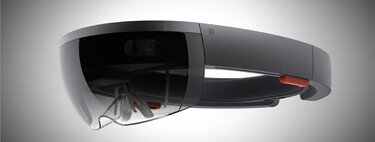
Meanwhile, Microsoft’s HoloLens, once seen as a powerful contender in this sector, faltered in the consumer market and had to pivot to enterprise and military applications. Despite the U.S. Army’s $22 billion investment, the project’s unclear direction led to its underachievement. Meta and Anduril appear eager to capitalize on this gap, competing with other firms like Rivet and Elbit Systems, who are also eyeing military contracts.
The implications of such developments extend beyond the battlefield, impacting how technology interacts with our perception of warfare itself. As companies like Anduril and Meta plunge deeper into military tech, society must grapple with both the transformative potential and ethical constraints of augmenting war through advanced technologies.