
Exploring the Boundaries of Art: The Case of Intangible Sculptures
The realm of art has always been a subject of heated debate. One discussion that frequently arises is: What truly qualifies as art ? This topic becomes particularly pertinent when examining a recent phenomenon in the art world, which features an intangible sculpture that defies conventional understanding. The invisible sculpture , created by artist Sardo Salvatore Garau , is sparking conversations about the essence of art and its intrinsic value.
15,000 for Nothing? The artist Garau, born in 1953, is known for his piece ‘Io Sono’ (I am), which he describes as an artwork constructed from “air and spirit.” This intangible sculpture was auctioned off in 2021 for a staggering €15,000 . Recently, the conversation around this piece regained momentum due to a viral social media post by the British platform Pubity , which boasts over 40 million followers. The post garnered close to a million likes, showcasing how social media can revitalize discussions around contemporary art.
With a Certificate of Authenticity Every buyer of this unconventional piece receives a certificate stating: “Intangible sculpture to place in a free space without hindrances. Variable dimensions, approximately 200 x 200 cm. Work accompanied by an authenticity certificate issued by the artist.” This certificate acts as the singular tangible item associated with ‘Io Sono’. Garau has argued that the emptiness of this work is what grants it power, allowing for profound reflection and perception from the viewer.
Intangible Art Garau’s approach isn’t entirely unprecedented; the concept of intangible art has roots in the 1970s conceptual art movement. During this time, artists began to argue that art could transcend traditional forms and exist in the realm of ideas instead of physical objects. Notables like Sol Lewitt suggested that the idea itself could embody the true essence of the artwork. Similarly, Yves Klein staged exhibits featuring empty rooms to symbolize pure immateriality, even selling “zones of void” for their symbolic significance .
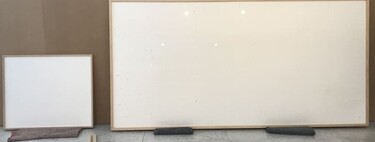
Art or Absurdity? A striking example of this ongoing discourse appeared a few years ago when Danish artist Jens Haaning sold blank canvases to a museum under the title ‘Take the Money and Run’. This performance art piece plays with avant-garde humor while simultaneously critiquing the commodification of creativity in the art world. “The underlying concept was to showcase how salaries can sometimes measure the value of artistic work,” Haaning explained, reinforcing the idea that the act of selling the blank canvases was, in itself, a commentary on the value of art.
In this scenario, both the transaction and the delivery represented a manifesto against traditional artistic norms, underscoring the paradoxes in evaluating creativity.
Sources and Bananas Similarly, Marcel Duchamp’s fountain —an inverted urinal—raised eyebrows in the early 20th century and initiated a lasting debate about the definition of art. More recently, the $6.2 million banana taped to a wall stirred conversations about intention and value in art. While skeptics may question its depth, the piece undeniably provoked thought on issues such as commercialism and absurdity in artistic expressions.
The Endless Debate The contention surrounding whether conceptual art holds more or less value than traditional forms will likely persist indefinitely, especially as artificial intelligence begins to contribute to the artistic sphere. With the line between human creativity and machine-generated art blurring, discussions about the essence of art will continually evolve. Garau’s invisible sculpture adds another layer to this complex dialogue, serving as a poignant reminder that the discourse surrounding art is as crucial as the artwork itself.
In an era where communication and interpretation significantly color our understanding of various forms of art, Garau’s piece invites audiences to consider what art means to them. Is art merely the physical, or does it extend far beyond the tangible? These questions remain open for debate, emphasizing the ever-evolving nature of artistic expression and appreciation.