
The Paradox of Cocaine Prices in Spain: A Closer Look
Those investigating the coca market have noticed an intriguing trend. While consumer prices index (CPI) in Spain continues to soar—pushing the costs of essential goods like coffee and cocoa to unprecedented heights—cocaine prices are experiencing a remarkable decline. Just a few years ago, the cost of a kilogram of cocaine was over 30,000 euros; today, it has plummeted to barely 13,000 euros. This sudden drop coincides with a significant increase in drug trafficking and rising consumption rates.
Understanding the Numbers
Discussing cocaine prices is complex, primarily because most data is based on estimates. Recent reports indicate that a kilogram of cocaine on the black market today hovers around 13,000 euros. Comparatively, this price point is a sharp decline from just a few years ago when the same quantity was priced around 20,000 euros. Historical data reveals that a decade back, the price was between 27,000 and 30,000 euros. Even earlier this year, the Ministry of the Interior had valued seized cocaine at over 30,500 euros per kilogram.
Historical Price Trends
Interestingly, the media has consistently reported falling cocaine prices for over a year, often citing fluctuations. For instance, experts within the Galician Foundation against Drug Trafficking noted that cocaine prices had devalued by nearly 50% compared to previous years, signaling an overwhelming supply of the substance.
While prices refer to bulk quantities, they don’t seem to reflect in street-level sales. The cost of a gram of cocaine remains consistently high, generally between 50 and 60 euros, despite the decreasing price at the wholesale level.
Changes in Drug Quality
Another trend worth noting is the increasing purity of cocaine. Analyzing samples from anonymous buyers, Energy Control—a monitoring organization—reported that average purity levels now exceed 70%. Several studies corroborate this growing trend of higher purity, which adds a layer of complexity to the current market dynamics.
Consumption Patterns
The demand for cocaine appears to be on the rise. Recent statistics indicate that Spain has the highest percentage of individuals who have tried cocaine, at 13.3%—significantly outpacing countries like France and Denmark. The European Drug Report 2025 warns of increasing consumption rates across Europe and suggests that public health systems prepare for a potential surge in treatment needs.
The latest EADES survey from 2024 highlights this alarming trend, noting that 13% of individuals aged 15 to 64 have used cocaine at least once—a significant increase from previous years.
Seizures: A Reflection of Supply
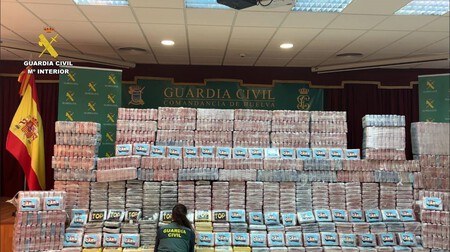
Seizures offer insights into the scale of cocaine trafficking. The 2024 Annual Drug Statistics indicated a 5.2% rise in cocaine seizures—approximately 123 tons—marking a continued escalation in drug availability. Reports suggest that more cocaine is entering Spain, potentially positioning the country as a key gateway to Europe, especially after shifts in trafficking routes from traditional hubs like Holland and Belgium.
Why Are Prices Falling?
Despite this rising demand and high levels of consumption, why are prices continuing to decline? Analysts propose several theories, including a surplus generated during the pandemic and significant changes in market dynamics. One influential factor is the 2016 peace agreement in Colombia, which led to an increase in coca cultivation. The cessation of aerial fumigation to combat coca growth has further fueled this upward trend in supply.
As authorities reconsidering air fumigation policies may soon reinstate these practices, the ongoing price dip remains a complex and evolving issue.