
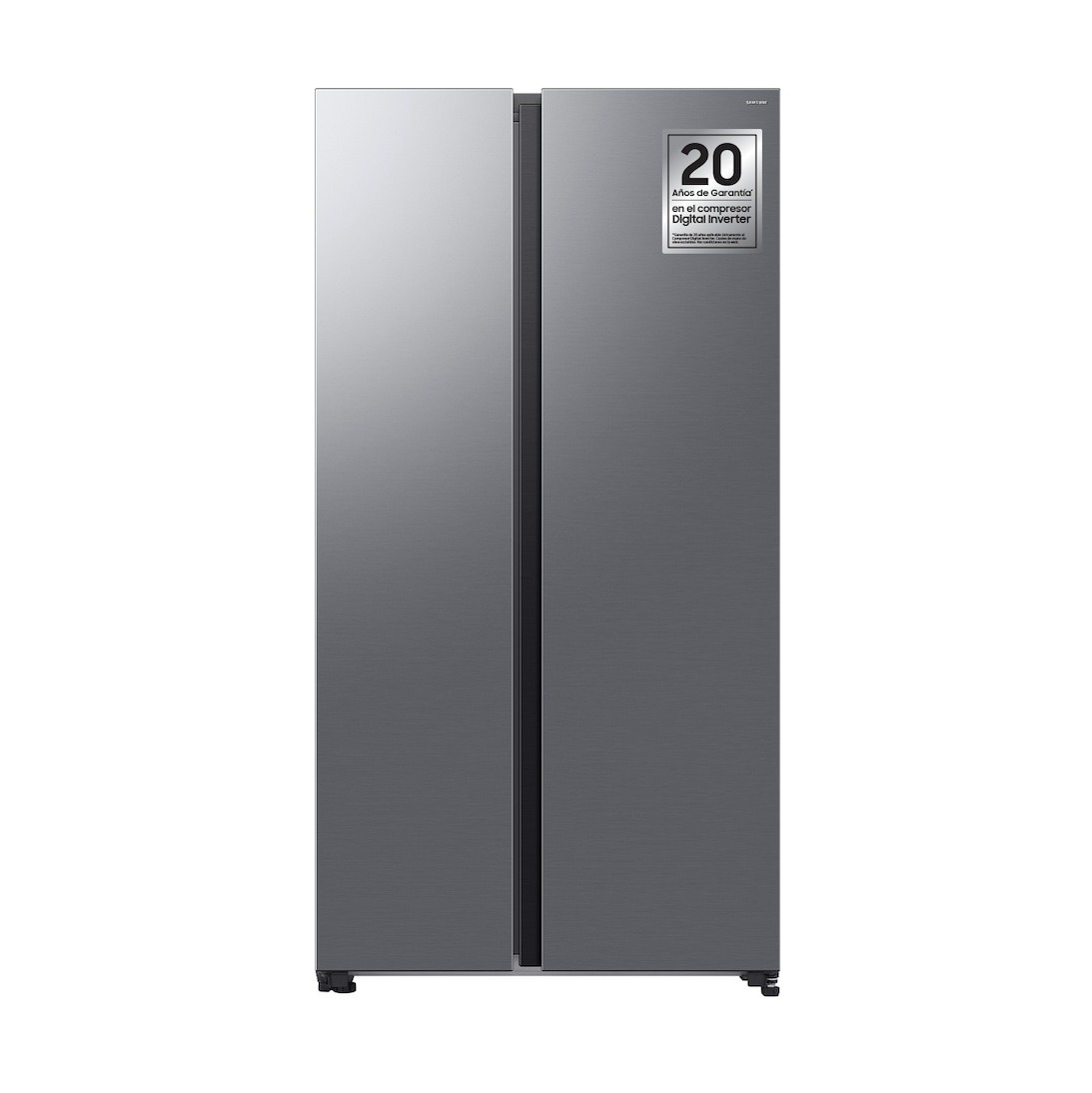
When it comes to refrigerator shopping, many find themselves feeling overwhelmed, especially when trying to store a week’s worth of groceries. The crucial factor? Space. While I may have a variety of cabinets and drawers in my kitchen, the refrigerator often leaves much to be desired in terms of space.
This has led me to consider the option of an American refrigerator—those spacious, two-door models that are often the centerpiece of modern kitchens. But is it truly worth investing in one compared to a 70 cm combi model? Let’s dive into the pros and cons of each to find the perfect fit for your kitchen and lifestyle.
Choosing an American Refrigerator
When you start browsing options for American refrigerators, you’ll quickly notice their substantial capacity, often measured in liters. However, be cautious; this measurement can be somewhat misleading since it typically combines the refrigerator and freezer spaces. One crucial point many overlook is their narrower design, which raises the question: how well do larger items fit?
Enter the pizza box test. This simple check reveals that due to their narrow shelves, many large items—including pizza boxes, trays, and even big watermelons—may not fit horizontally. However, the upside is that they gain height, making them suitable for batch cooking enthusiasts. You can stack tupperware vertically, optimizing space effectively.
Another significant advantage of American refrigerators is their freezer space, allowing for better organization of frozen foods. Plus, with a lot of that space being at eye level, you won’t have to bend down frequently, which is a nice touch. On the downside, American models tend to consume more energy and can be deeper than standard units, leading to potential installation issues if space is limited.
Choosing a Wide Combi
On the other hand, wide combi refrigerators, typically around 60 cm, can pack a punch when you increase the width to 70 cm. This seemingly small change drastically enhances your storage capacity without consuming as much floor space as an American refrigerator.
These models pass the pizza box test effortlessly, offering wider shelves ideal for larger containers. However, the freezer space is where they generally fall short compared to American refrigerators. If freezing a lot of food is a priority for you, a combi may not satisfy your needs.
Pros and Cons Overview
| American Refrigerator | Wide Combi | |
|---|---|---|
| Advantages | Lots of space for frozen items; freezer contents at eye level. | More horizontal space for large items; generally lower energy consumption. |
| Disadvantages | Higher energy use; narrow shelving may restrict larger items. | Smaller freezer space, requiring more careful organization. |
| Ideal for | Large kitchens and families that need significant freezer space. | Smaller kitchens that favor horizontal shelf space and organization. |
Model Recommendations
American Refrigerator: Bespoke AI RS70F65QETEF
One option worth considering is the Samsung Bespoke AI model, boasting a total capacity of 659 liters—420 liters for the fridge and 239 liters for the freezer. This model features ‘SpaceMax’ technology, enhancing the internal space without compromising on energy efficiency, rated E.
Wide Combi: LG GBBW322CPY
If you lean toward a combi model, the LG GBBW322CPY offers a respectable 465 liters of total capacity. It balances a practical freezer and refrigerator configuration, making it versatile for daily use. Notably, it has a better energy rating of C.
Budget Alternatives
If you’re on a budget, consider the Hisense RS3P558NEIE for an economical American option, and the Beko B7RCNE407 for a value-driven combi choice, each providing fantastic space and functionality for their price points.
Ultimately, whether you choose an American refrigerator or a wide combi model will depend on your specific needs regarding space, capacity, and energy efficiency. The options are plentiful, so choose wisely!