

Technology is in an economic shaker. If we consumers have become accustomed to something, it is that, as the years go by, a product drops in price, even if it is updated with better features. It is clear in the console segment: as each generation progressed, the hardware improved and the price fell. That’s over.
Buying a PS5 or an Xbox Series in 2026 is more expensive than when they came out in 2020. But the consoles They are not the only thing that rises: There is more competition than ever in streaming services and everyone has committed to raising prices from time to time. It’s not just technology: housing, medical expenses, cars, food… However, there is something that has collapsed: televisions.
Although there are very expensive models, the price of televisions has fallen more than almost any other consumer product in the last quarter of a century. This dramatic change is attributed to an industry phenomenon known intriguingly as a “25-year suicide pact.”
The Suicide Pact and the Mother Glass
It’s likely you’ve encountered a sprawling 65-inch TV at an unbeatable price. The allure is palpable, as for a mere 400 euros, you can snag one that eclipses smaller models like the 24-inch screens designed for kitchens.
Oddly, these substantial price cuts on large televisions are not influenced by recent global crises—including chip shortages and geopolitical strife. What remains stark is the stark price contrast: while OLEDs command a premium, standard LCD televisions remain remarkably affordable.
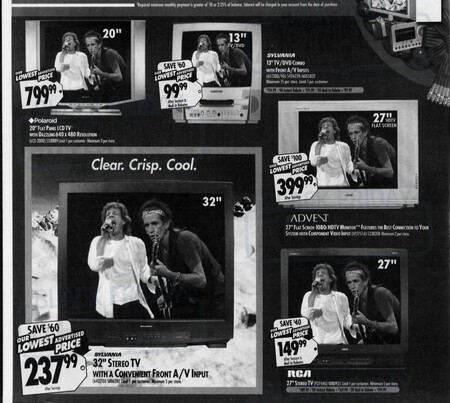
For context, back in 2003, a modest 20-inch LCD TV cost a staggering $800. Fast forward to today, and value for money has soared, making large screens a cost-effective choice.
Why Prices Have Plummeted
The drop in television prices isn’t solely due to fierce competition. A critical factor lies in what’s termed the “mother glass,” the large glass substrates used in manufacturing LCD panels.
As manufacturing methods advanced, larger sheets allowed for more screens to be cut, drastically reducing production costs. The economies of scale mean that the more panels produced from a single sheet, the cheaper each panel becomes.
Going from a fourth-generation to a fifth-generation mother glass can reduce costs per inch by about 50%, leading to an avalanche effect of cheaper televisions.
The Impact of Competition and Oversupply
This price drop has primarily been driven by a flood of competition, particularly from Chinese manufacturers who have invested heavily in factories specializing in these larger panels. The result? An oversupply that has pushed prices down even further.
Leading companies like BOE and TCL have captured substantial market shares, particularly for larger screens. This landscape, while triumphant for consumers, has led manufacturers to reconsider their strategies, sometimes shifting focus towards higher-end displays like OLEDs.
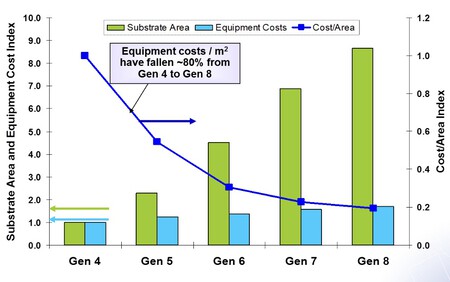
Costs have plummeted, while the technology continues to innovate at an incredible pace.
The Dark Side of Affordability
Yet, it’s crucial to note that not all is pristine in this landscape. With the rise of smart TVs, concerns over data privacy and user surveillance have emerged. Many cheaper TVs monetize through data collection, raising ethical concerns about user privacy.
As the television industry grapples with these challenges, consumers benefit from unprecedented affordability while navigating issues that weren’t considerations a decade ago.
In summary, while televisions have indeed become cheaper due to a confluence of technological advancements and market dynamics, the intersection of innovation and ethical dilemmas sets a complex backdrop for buyers in today’s consumer landscape.
Images | TCL, Corning